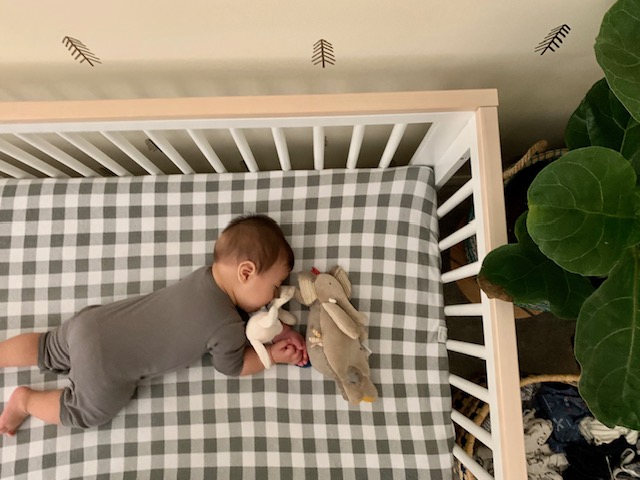
When my partner and I decided to have children, we never knew how much our lives would revolve around sleep. Sure, we realized that having kids meant there would be sleep deprivation for us, however we never understood the extent of how sleep would really take over.

During the early stages, we spent hours – yes, hours – rocking, patting, lullabying, shushing, swaddling, and bouncing our firstborn to sleep. When we weren’t trying to put him down, we would be meticulously planning our day around his nap schedule. It consumed us and it was exhausting on top of all the other parenthood challenges like feedings, maintaining the household, and getting some shut-eye ourselves.
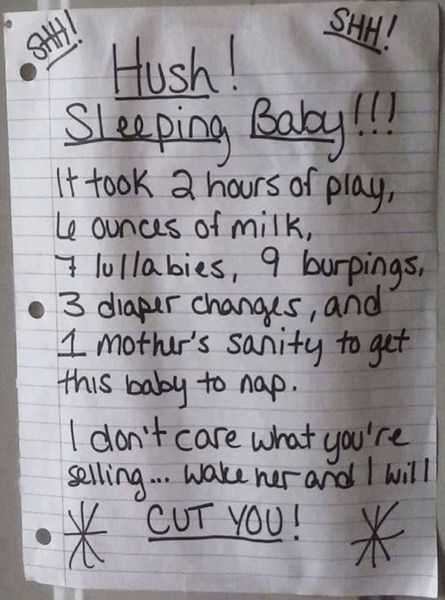
We knew this couldn’t go on, we needed a solution to help make our lives easier so we could get more rest ourselves. So when our friends told us about sleep training, we were intrigued to learn how we could teach our child to self-soothe, fall asleep on his own, and stay asleep the entire night. It would not only help with his growth and development, but would also s benefit our mental health and energy levels as well.
What worked for us?
We started off by researching all the possible sleep training methods. While we never strictly followed any specific one, we did find there were three things that were the special recipe for successfully preparing our kids to sleep through the night.
- Bedtime routine
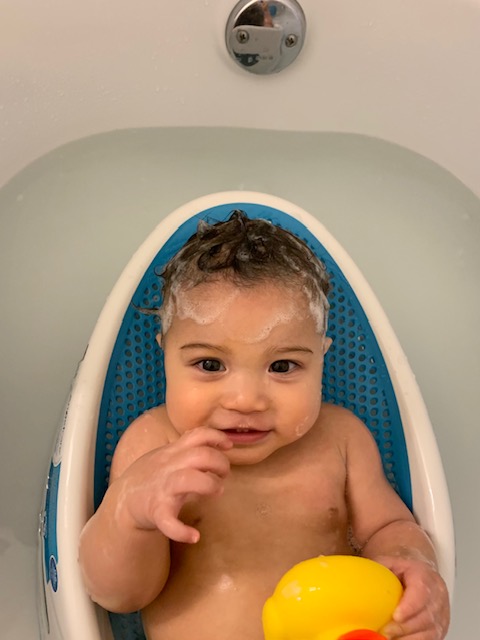
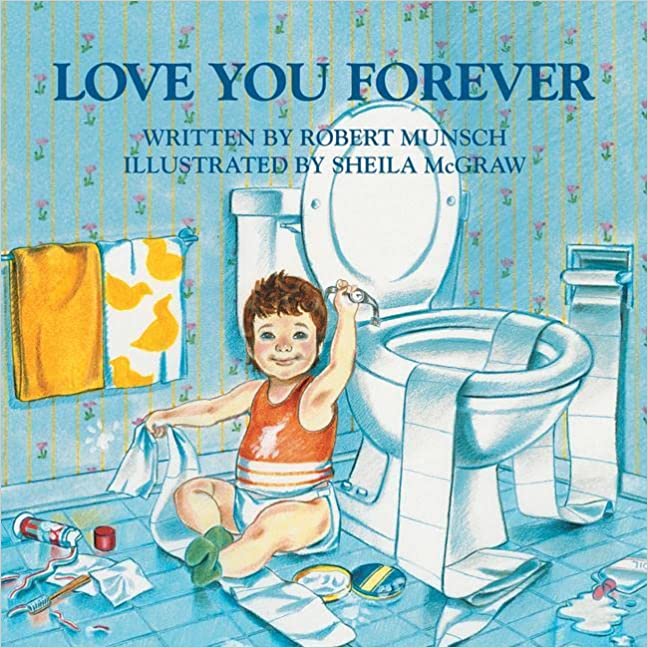
Every evening we would go through a consistent bedtime routine to wind them down and get them familiar with the idea that they were getting ready for bed. This would start with a bath, warm milk, bedtime story, and lullaby. We learned from the Ferber method that this consistency helps your baby learn what to expect each night, and it helps set your baby’s internal clock.
2. Comfort object
Since our baby was used to having us rocking them for hours, we decided to introduce a comfort object or lovey. This is an object that your baby forms an attachment to. It can be a blanket, stuffed animal, or another small object that helps your little one transition through life changes. This cherished item gives your child something to associate with sleep without relying on you to do the work. While a lovey doesn’t work for all babies, our kids latched on to their loveys very quickly. It also helped them with big transitions like going to daycare or on a family trip.

3. White noise machine
White noise machines can help babies with getting a better quality night’s sleep by masking environmental or outside noises that are causing disturbed sleep. They not only can help you get to sleep but also stay asleep, and may even help to train your brain to know when it’s time to snooze. As we live near a busy road that sometimes brings in sounds of emergency vehicles, we decided to use a sound machine. Our kids still love using their sound machine and can even now turn it on themselves. We also got a smaller travel version for when we go on trips so we can sleep well when we’re away from home too.

While these tips don’t solve sleep challenges for all children, they provide a solid foundation to prepare little ones for bed. It also made it a lot easier for us when we did start a more regimented sleep training program. We’ve used it on both of our kids and have had good sleepers now for almost four years! To say we are overjoyed to have some time back to ourselves is a huge understatement.

 EXSM 3989 - Digital Storytelling Class Blog