Categories
Uncategorized

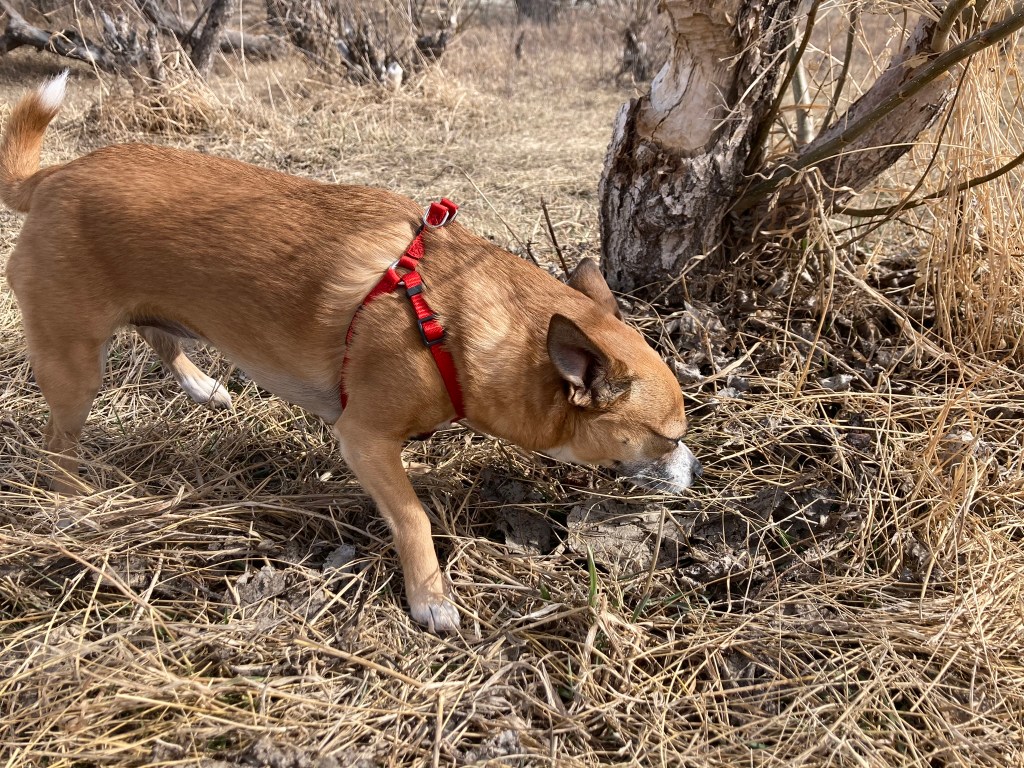
Am I a helicopter dog mom?

Assignment 6: EXSM3989 Meg Berry

I wasn’t always like this…

You know, a nervous dog mom who is super paranoid about the safety of her pet. But somehow, I can rival a helicopter mom jacked up on a double-shot vanilla soy latte after spin class when it comes to the welfare of my fur child.
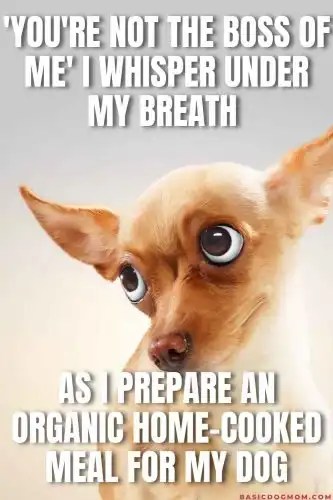
We grew up with big dogs like golden retrievers, Great Pyrenees, yellow labs, and Newfoundlanders so I never really worried about them. They were huge and could protect our family and themselves when needed. So, when my partner and I decided to expand our family, I thought that we would get a big dog. My partner is an avid hunter and outdoors person and so, for our lifestyle, I thought we should go to the shelter and see if we could find a big mix-breed dog that was good with kids and liked to run and be outside. But my partner had another idea. He always wanted a little chihuahua, and so one Sunday morning when I got an alert that a chihuahua pup needed to be re-homed our family went from two to three.
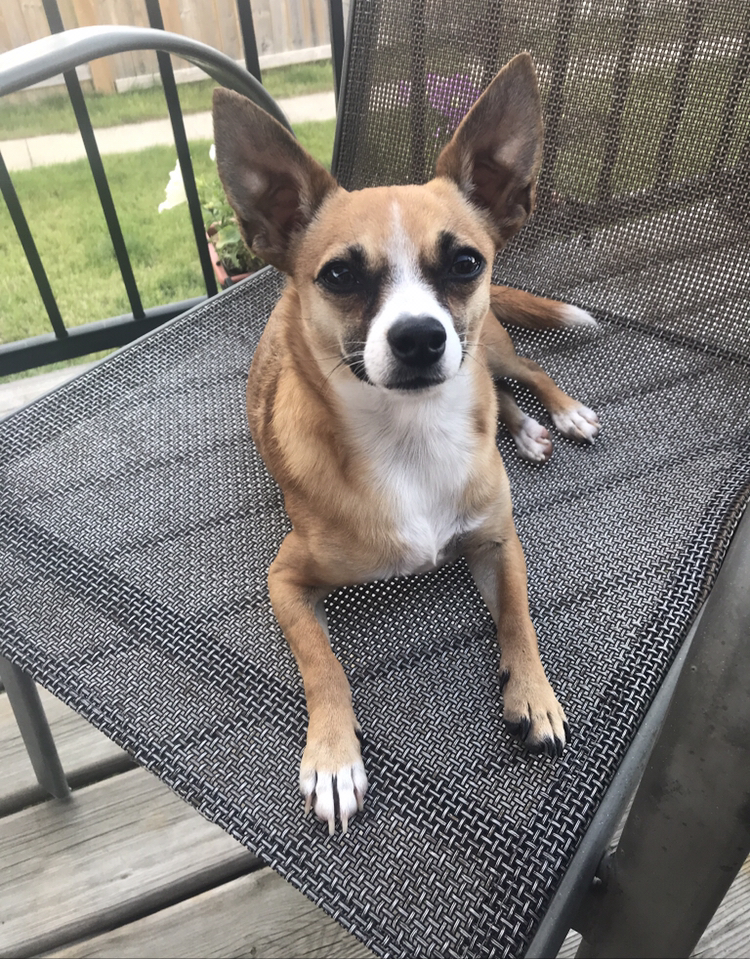
Roo is perfect. She is a sweet, loving little soul with a bratty personality. She is an avid walker, likes her toys and her grandma, and hates to eat all the healthy and expensive food and treats I buy for her. At Christmas one year she ate an entire bowl of sour patch kids that I left on the coffee table and has rallied through a hunger strike for more than 2.5 days when the $20 tin of dog food I tried to feed her did not suit her pallet.

I have to admit, when I first got her, I was easygoing. I kept my cool when she leaped off the local pond dock into ice water during spring breakup and my partner and I had to go in a save her (she was 4 months old), and I did not freak out when I was cleaning the shower and she jumped into a bathtub of boiling hot water at 5 months. I just put her under cold water, called my mom, got in the car, and rushed her to the emergency vet with unbelievable calm.

My anxiety over this little dog’s safety all stems from a friendly vet visit when she was 6 months old. During this visit, the vet took me aside and said to me in a very stern voice,

“DO NOT EVER TAKE HER TO A DOG PARK. IF YOU TAKE THIS DOG TO A DOG PARK SHE WILL DIE. THE OTHER DOGS WILL KILL HER. IT HAPPENS ALL THE TIME WITH LITTLE DOGS. DO NOT DO IT”.

And so, I have NEVER taken little Roo to a dog park.

We drive past them every day, and they look like fun. We see the neighborhood dogs walking to the dog park through the front window every night too and they seem happy. I could never understand how they could be such little dog murder machines, but if the vet said it, it must be true, right? Poor Roo though, she just wants to go, have fun, and be included with her dog friends (or lack thereof because of me, her mean, scared mom).  

So, this weekend I decided I wanted to give my fur child the opportunity to go to the dog park. This brave dog mom researched her heart out to be prepared and took Roo to the big dog park by the river for 37 minutes of incredible, horrifying fun.

During my research, I was surprised at how few websites discussed little dogs at dog parks. I was hoping to make this a how-to blog post with some trustworthy links for other dog mamas out there. I couldn’t help but wonder if I should buy anything special for our trip. Do I need a stick, a cattle prod, or should I  just get some good-kicking boots in case I need to defend my baby?  But there was no mention of these required tools.

There was really nothing out there that was super informative. Some websites talk about staying close to your dog (do not focus on your phone and lose sight they say), watching out for wildlife and do not take the dog somewhere with threats like birds and snakes, and, keeping the little dogs in the little dog area and the big dogs in the big dog area. Don’t EVER mix them they say. There was one blog that spoke quite profusely about how irritating and disrespectful it is to big dog owners when little dog owners pick their dogs up and walk past the big dogs.
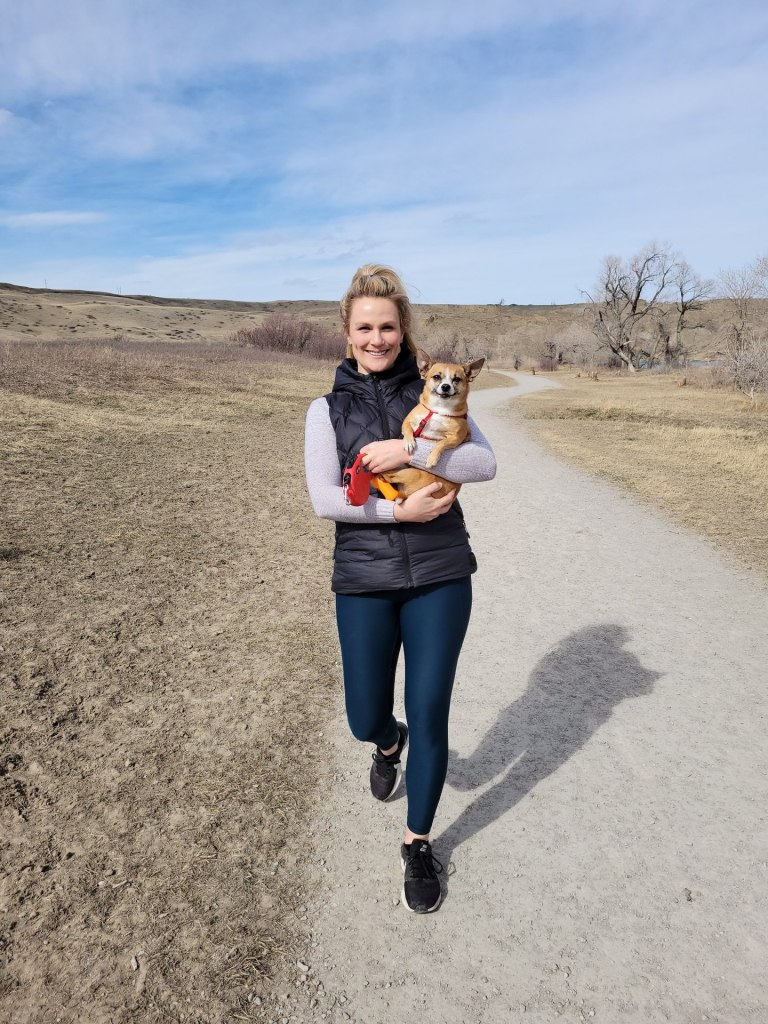
We got to the river dog park, and there was no small dog area, just a big open space for all the dogs. I expected Roo to act like all other dogs on Instagram. You know, run around like crazy and have fun (something that I could video and put sound to and share for this assignment). But she didn’t, she never left my side, she stuck close and only ventured off a couple of meters from me. During our time down there, I only had one freak out. I looked up from my phone at one point and Roo was nowhere to be seen, but then I realized that she was just right behind me, walking less than 3 inches from my feet.  I just couldn’t see her because I was taking pictures with my phone.  
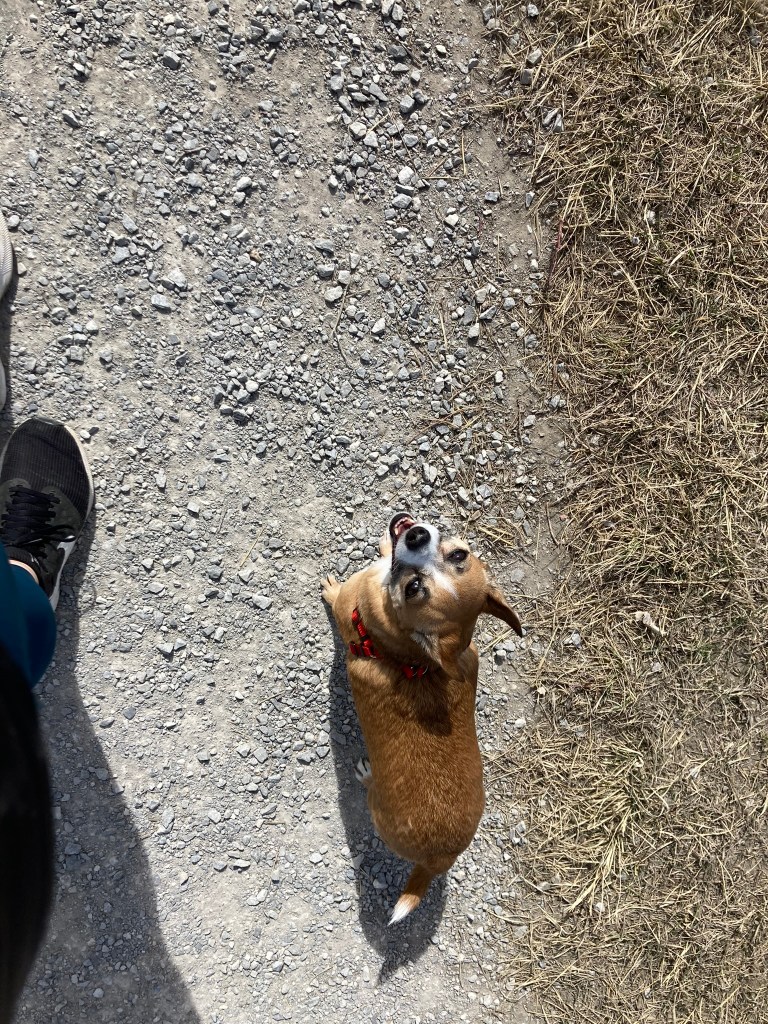
Her little face and mine were both full of worry during the trip, but I knew she felt wild and alive because she was finally at the dog park.  I felt wild and alive! She sniffed every blade of grass and played for a couple of minutes on the rocks by the river.  There were only a few other dogs at the dog park; a Rottweiler, a pit bull, shepherds, and a dumb doodle that would not stop jumping on me when I walked past holding Roo. His owners suggested I put her down so they could play. I graciously said, “No thank you” thinking that I didn’t want my baby trampled to death.

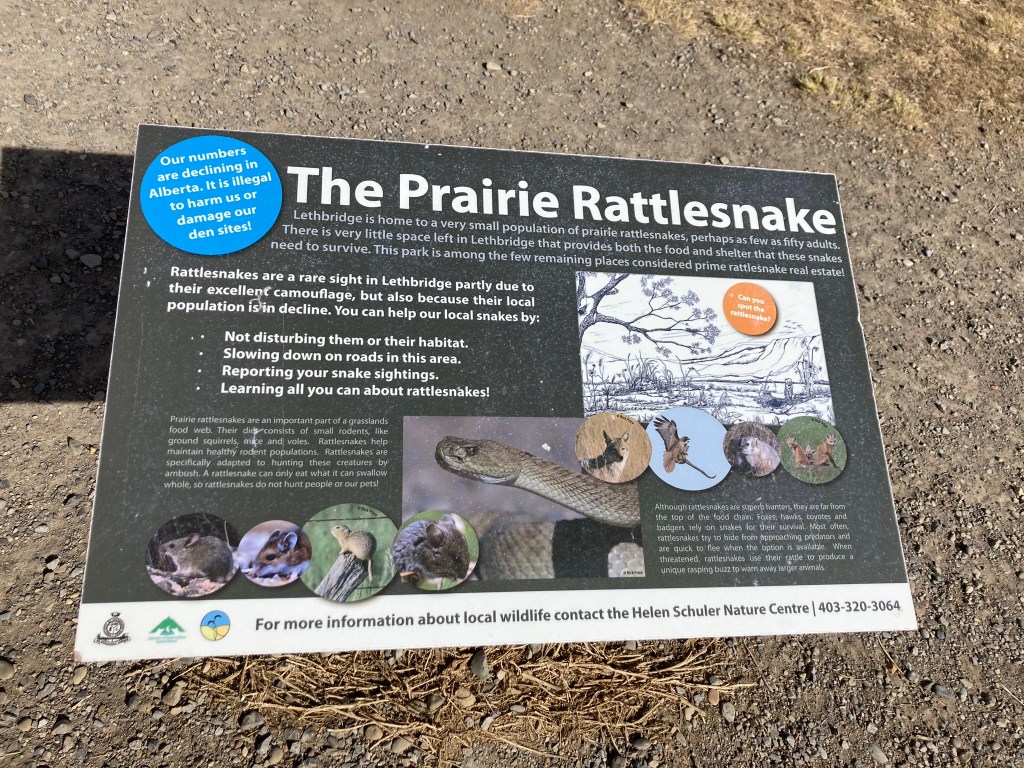
The dog park was stunning, a great place to bring Roo and let her play. It’s a special place with a beautiful landscape and is a wildlife sanctuary for rattlesnakes.
Roo and I both slept well last night. Probably from both the stress and excitement. I am proud of both of us though and I feel that if I can be this good of a dog mom to my little golden Roo, and not be a helicopter mom I do not understand why parents say it’s hard with human children.

Roo and I are going to visit another dog park in the town beside us next week. It apparently is right next to the “Birds of Prey” center which is a  refuge for eagles, hawks, and falcons and should be lovely.
Categories
Uncategorized

No Wonder No One Cares About Science and Heritage… !

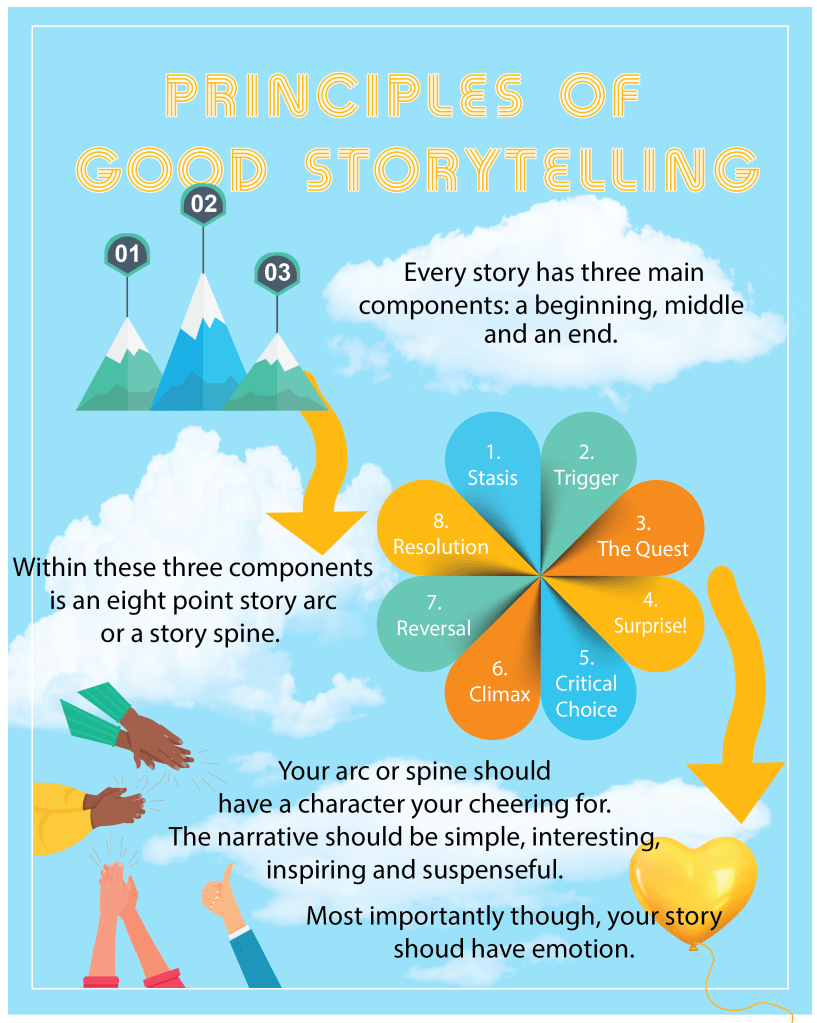
This week in EXSM 3989 we learned about the power of visual storytelling, and let me tell you, people in the fields of science and heritage have been doing this data sharing thing wrong for a very long time!

I wish that instead of teaching students how to calculate the radiocarbon date of organic material from the Holocene/Pleistocene transition in ARKY 101 I had taught them how to illustrate and visually express archaeological findings to ensure people outside of the field of heritage understand WTF they were saying and as a result, actually CARED…

It is really no wonder academics go nuts over a pretty map or a visually entertaining power point presentation when attending a talk that is more boring than watching paint dry. In fact, I am no longer shocked that people do not care about or read articles in the newspaper about the newest archaeological find, or why archaeological science and protecting heritage matters. It’s sad but if we cannot learn to communicate with others about why what we do actually matters, then maybe we too should go the way of the Pleistocene/Early Holocene Megafauna … (become extinct).

Archaeology, science and heritage need to start thinking about the visuals rather than the words! Visuals are processed 60,000 times faster than text and as Impact Advisors.com notes,

” if a scientific claim is presented in pure words or numbers, 68% of people will believe that the information is accurate and truthful. But if you put a simple graph with the claim, the number rises to 97%.”

So when we were tasked this week to make an infographic on a topic we had learned about in the course (I chose the ‘Principles of Storytelling’), I WAS SUPER PUMPED! I wanted to learn this amazing skill! I wanted to visually seduce everyone into loving boring ass archaeology data by learning first how to do it by telling people how to write a good story! I felt like this was my new calling in life and I was going to blow everyone away!

But then my mother and father in law showed up a day early to our house as a surprise … so instead of knocking this assignment out of the park, I focused on the visuals, made the infographic pretty, bright and colorful. I focused less on mining the data to highlight the core principles of good story telling and rather, I took the key points I wrote down and used what I thought was the core principles and summarized them.

I hope you all enjoy it, but I know it could be better!

Please note: My mother and father in law have now returned to their own home and I am back, better and more focused than ever on becoming AMAZING at using visual data to tell stories rather than using words!

Categories
Uncategorized

Can Fish Get Botox?

A question everyone needs to ask themselves when addressing aquatic species conservation.

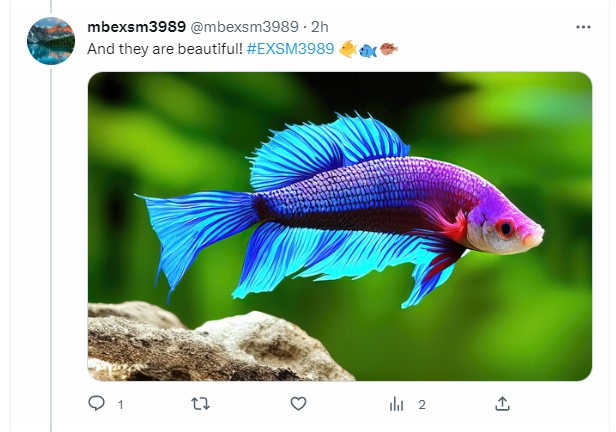
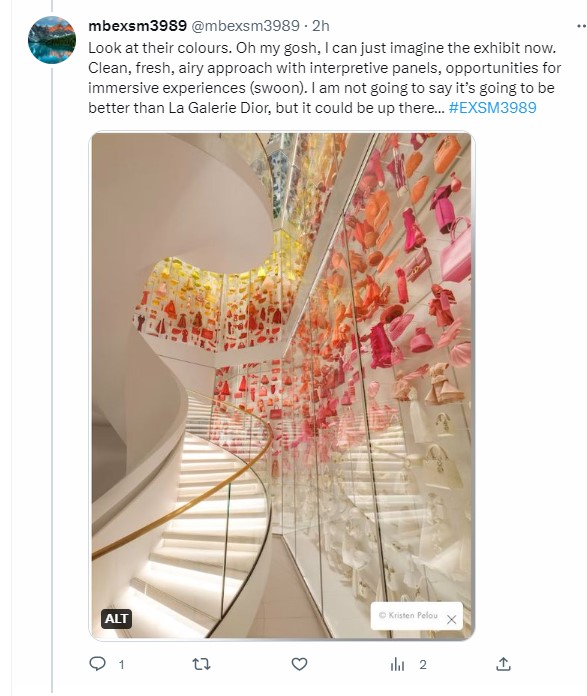
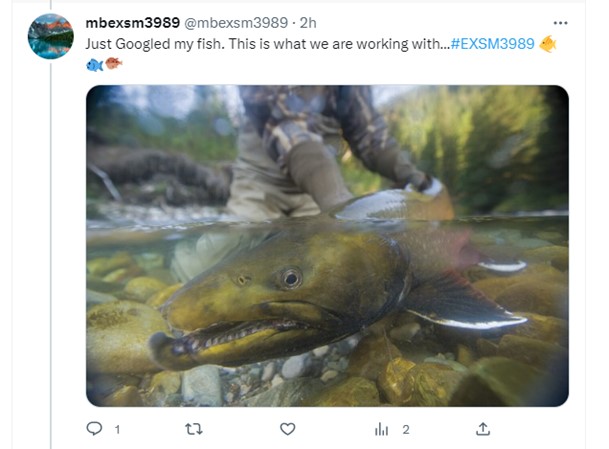
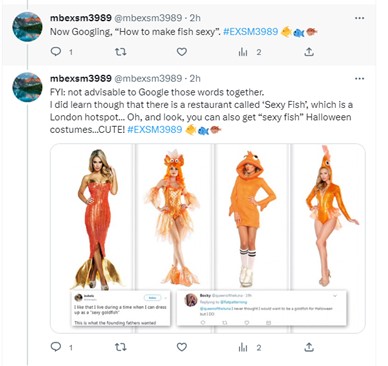
This week we were tasked with live tweeting a story in real time, and while I can honestly say I did not excel at this task, I think that my story is kind of cute and quirky and I am going to repurpose it when I actually know how to use this technology. This tweet may be just the thing that draws more people into the wonderful world of aquatic species conservation, right!? (sigh, one can dream can’t she?)

Using Twitter is new to me. As I noted in my first Twitter post for this class, I always thought that it was for people with opinions (mostly political ones), and while I have lots of those, I don’t necessarily think that anyone needs to hear them.

I loved tweeting TBH. It allowed me to explore alternate ways to draw people into the projects I am working on. To think about key messaging and what I am really trying to communicate. And, while Twitter may not be where I excel in the realm of social media, it made me think that maybe it could just be a tool for me to use to draw people to my Instagram, Facebook  and project websites where I actually know what I am doing.  

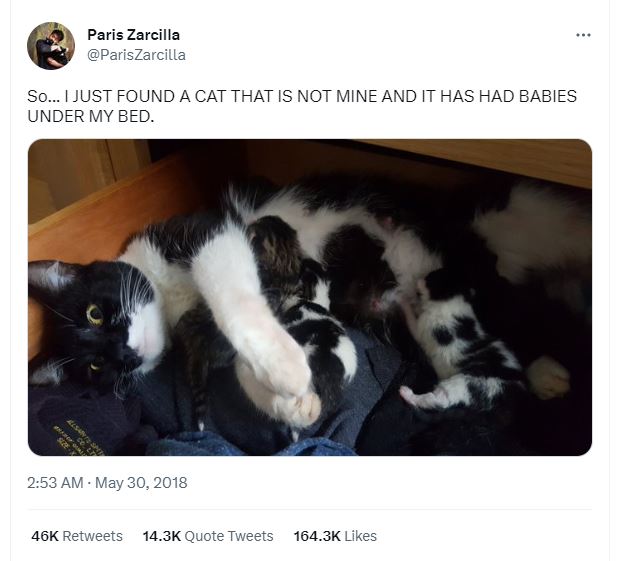
For my tweet I took advice from Gary Vayernchuk. He says, “Document. Don’t Create”, so that is what I did.  I documented what I was doing at that moment, which was starting my journey to create a fish exhibit (thrilling, I know!). I then thought of the Cat dad on Twitter and his story thread, and tried to draw on that style of posting.

I pulled the flow and story development from the 8 Point Story Arc. I tried to set the scene, create the rise of action, and start the quest early in my post.

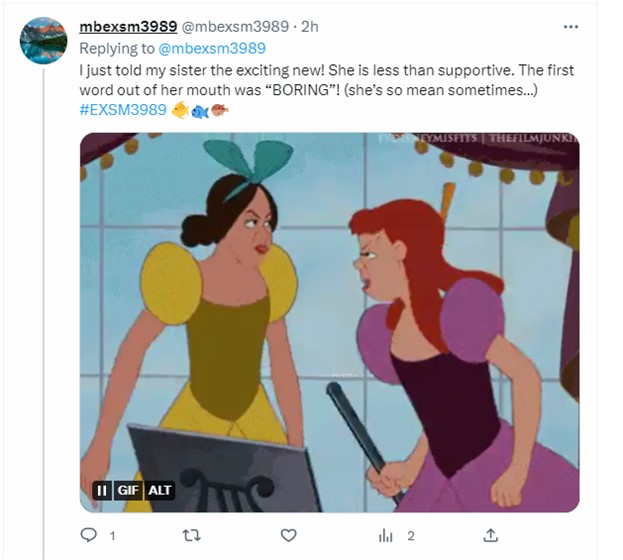
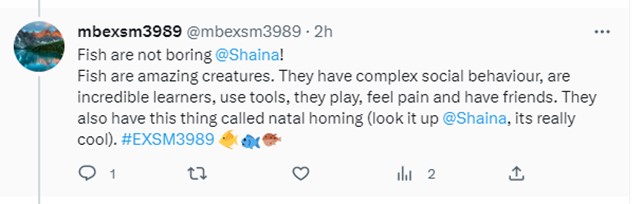
The protagonist is (obviously) me and the villain is my real life sister, Shaina. Shaina thinks that fish are boring, and I set out to show her that they are not boring. They are, in fact, very cool and beautiful.

I let myself dream in the tweet about what this fish exhibit will look like. I talk about colour, beauty, and glamour, and lead my readers into thinking that this is going to be one pretty little exhibit that I am going to create.

Then I drop the surprise.

It is not that fish are boring. It’s that the one we are creating the exhibit around is … how do I say this?… it’s ‘UGLY’ (gasp!).

Now my quest is not to show that fish are cool, my quest is about how I am going to make this species beautiful and sexy; in order to sell their conservation and protection. This task takes us on a wild ride of ups and downs that are full of information and dialogue that no one see’s coming  (hang on, it gets intense).

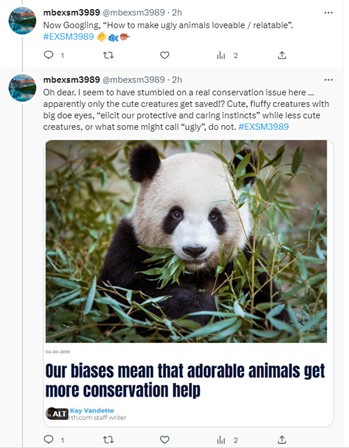
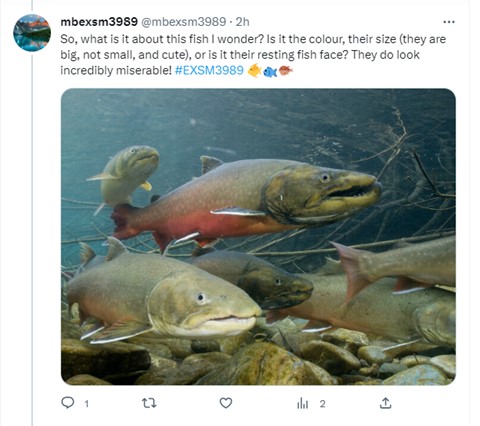
I tried to build tension in the thread and get to the point where I ask readers, why does everything have to be pretty and cute for us to pay attention to it? Why can’t we just embrace something that many would deem ‘ugly’ and use it as an advantage? What is it about this fish that people think is ‘ugly’? Is it their colour or their size? Or…. is it their RESTING FISH FACE?

I then tried to pose some questions about beauty standards to the readers. I hope that this will help many of the readers relate to these poor, ‘ugly’ fish, in a funny and sympathetic way.

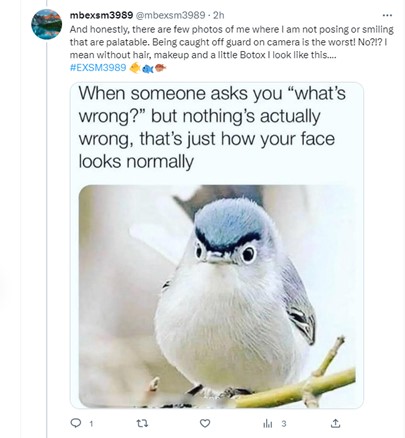
I then tried to bring this thread and what I consider the first part of the fish story, to a climax. I consider that it is pretty unfair that we hold nature to the same beauty standards that we have for our selves.

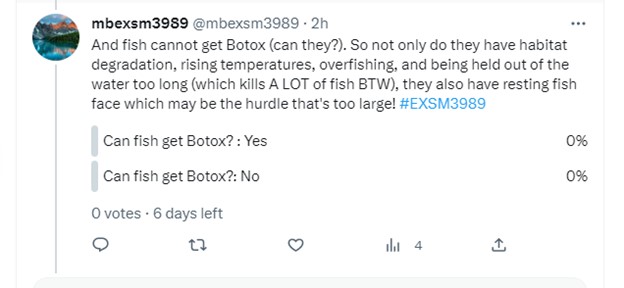
I mean, fish can’t get Botox, can they?

So, not only is their habitat slowly being destroyed, their waterways are rising in temperature, they are overfished, and they are commonly held out of the water too long by overzealous fisher people; on top of all of this, we don’t think they are cute enough. And, they cannot even help that because they are limited in their beauty regime.

What is interesting is that that fact alone may actually be the biggest hurdle I need to overcome in my fish exhibition journey.

Can fish get Botox? is a question that is meant to throw the reader for a loop, to catch them a bit off guard, make them laugh, but also make them think. I tried to add an interactive component where people can vote.

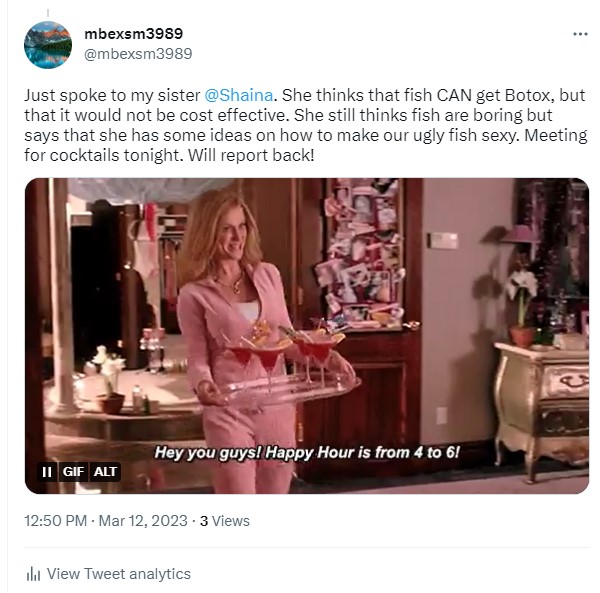
Bringing it to a close, I wanted to sign off, but leave an opportunity to pick the story back up at a later date and build on it. I wanted to leave the readers on a little bit of a cliff hanger in order to keep their interest. I re-introduce my sister, the villain, who may not actually be the villain after all. She calls and says she has some ideas for how we can make our ‘ugly’ fish sexy and maybe, a little less boring.

I hope readers will stay with us as we figure out how to make people care about these ‘ugly’, but important fish.

Categories
Uncategorized

A Bright Little Love Story

The Last of Us Episode 3

**Trigger Warning: Please note that this post discusses an Episode of an HBO show that contains death, personal loss, and suicide.**

I love when I  hear, read, or see a great love story. Whether they are set in the past, take place currently, or are in the future, I am a sucker for them. I am not sure if it is the emotion of love or the exploration of relationships in love stories that is so captivating to me. But I love that love stories are not always what they seem, they are dynamic, and they can be interpreted in many ways (whether that’s a good or bad thing).

As an archaeologist, I know firsthand that love stories are not something that is highly visible in the archaeological record. Love is an emotion, and you cannot see emotion, you can only infer that it was there based on other material evidence. What you can see in the archaeological record is relationship. So, for example,  when we hear in the news that a “Lover’s Burial” has been uncovered somewhere overseas, it is that archaeologists are probably interpreting the relationship of materials and objects found in that burial as inferring love.

While you cannot always see love in the deep past, we know, or maybe we hope, that it was there and love stories existed. Love stories are unique in this way. Other stories or narratives can be interpreted more clearly in the archaeological record but love and human connection are not the easiest to see without additional context.  

Love is universal which makes it a perfect storytelling device. While everyone experiences love differently, there is something about it that is relatable. Love stories have a formula that slides smoothly into the ‘Story Spine’ . They generally start with the ‘meet cute’ and build from there. Love stories can be the center of the narrative being told or woven throughout the background.  

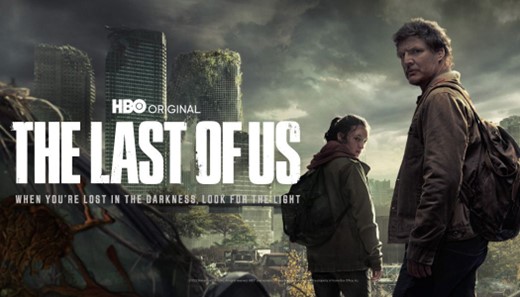
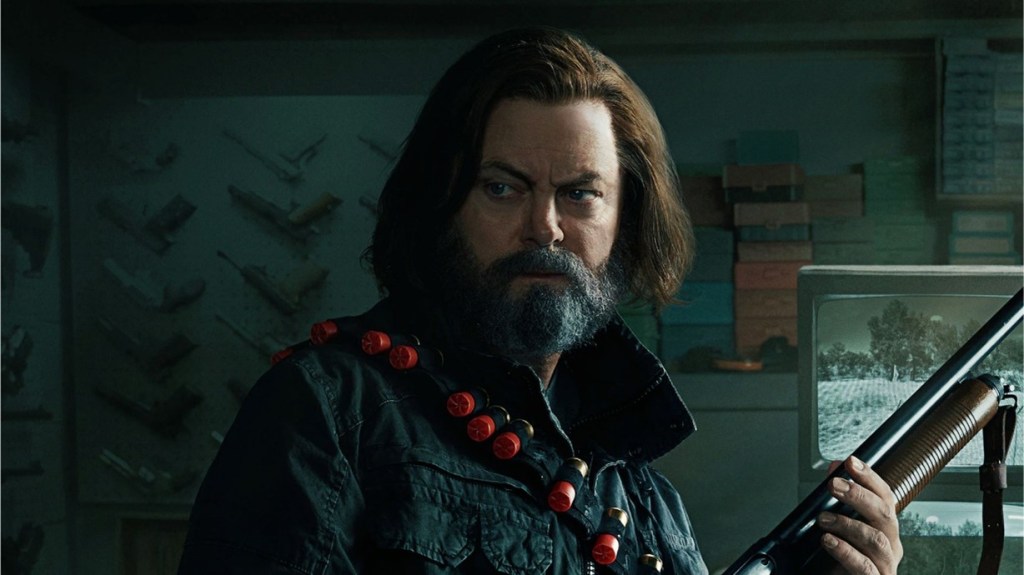
My favorite love story, this week, is the story told in Episode 3 of the HBO series, ‘The Last of Us’. ‘The Last of Us’ isn’t really a show that I would normally choose to spend my time watching. It has gained my attention simply because it was filmed in Alberta and the Kardashians are between seasons. So, every week my anxiety level hits an all-time high as things that make creepy noises jump out from dark shadows. 

HBO’s ‘The Last of Us’, is a show about a disease outbreak that, when it infects, it alters people’s behavior and turns them into flesh-eating zombies. These creatures are not like regular zombies though, they are fungi zombies that look like deadly decomposing tree mushrooms. The story is set in 2023, 20 years after the outbreak that saw people turn on each other, governments betray their citizens in the name of containment of the disease, and individuals do things they probably thought they would never do in order to survive. The main story is about Joel, a man that lost his daughter at the beginning of the outbreak due to government policies on containment, and Ellie, a teenager that was born after the outbreak and has never known life outside of government-ruled compounds created to keep the infected out. Their story revolves around the fact that Ellie is immune to the disease and Joel is smuggling her to a rebel base where they can use her blood to make a cure.

The story that I wanted to share today is not Joel and Ellie’s though,  it is Frank and Bill’s.

Frank and Bill are introduced in Episode 3 of the series. Bill is presented to us as a middle-aged man who lives in a small town in Massachusetts. He is essentially a prepper that is described as defensive, has unique social skills,  and what would be considered to many, a different way of looking at the world. When the outbreak hits and people are told to leave their homes, he defies those orders and stays. He builds a large, impenetrable fence and creates his own compound for survival. He has good food, wine, and a lovely home where he lives alone in a solitary, but safe, and fearless existence.

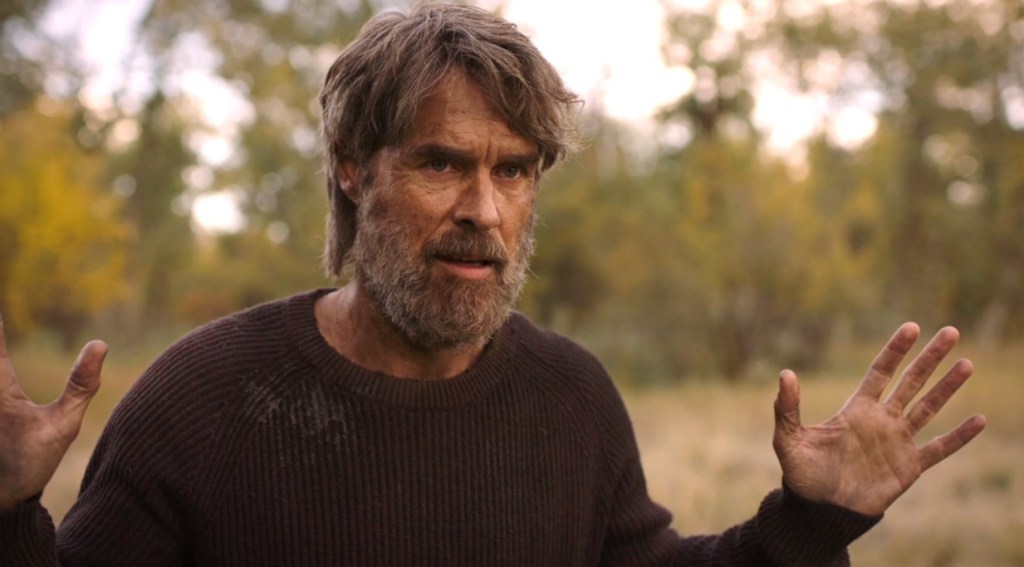
One day, alarms go off outside of the fences Bill has put up and he meets Frank. Frank is the opposite of Bill. He is outgoing, friendly, confident, and self-assured.

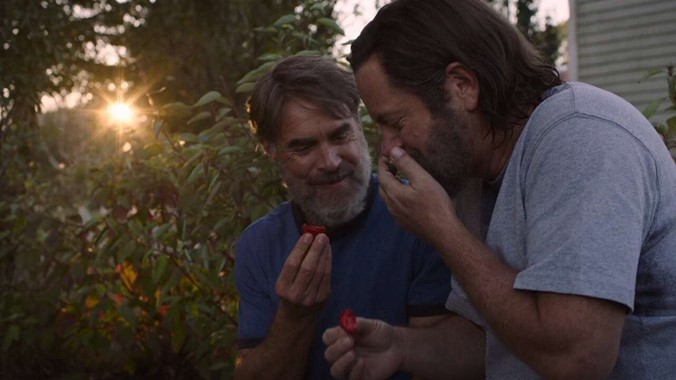
The story of Frank and Bill is a bright love story set in the dark world of a global pandemic. Their story is one of give and take, vulnerability, love, and agency. Within the episode, there is incredible symbolism, visuals, and foreshadowing. Their story takes viewers on an hour-long journey spanning 20 years, showing the development of their relationship and them as individuals. The story tells how they overcome loneliness and seclusion, how they develop friendships, and tells how they experience everyday situations in a changing world. Their story highlights how letting people in, and in their case, loving someone (even if that makes you vulnerable), changes you as a person. It tells how in life, no matter how dark it is, there can be amazing moments of light.

“I was never afraid before you”.

Bill to Frank in HBO’s ” The Last of Us”

At the end of the episode, Ellie reads a note that Bill wrote to Joel. While hearing the note, I turned to my partner and said through tears, “Well I really hope that Joel and Ellie leave that piece of paper behind. It would really help archaeologists from the future interpret Bill and Frank’s bright little love story”.

Design a site like this with WordPress.com
Get started