Categories
Tag: Writing

Categories
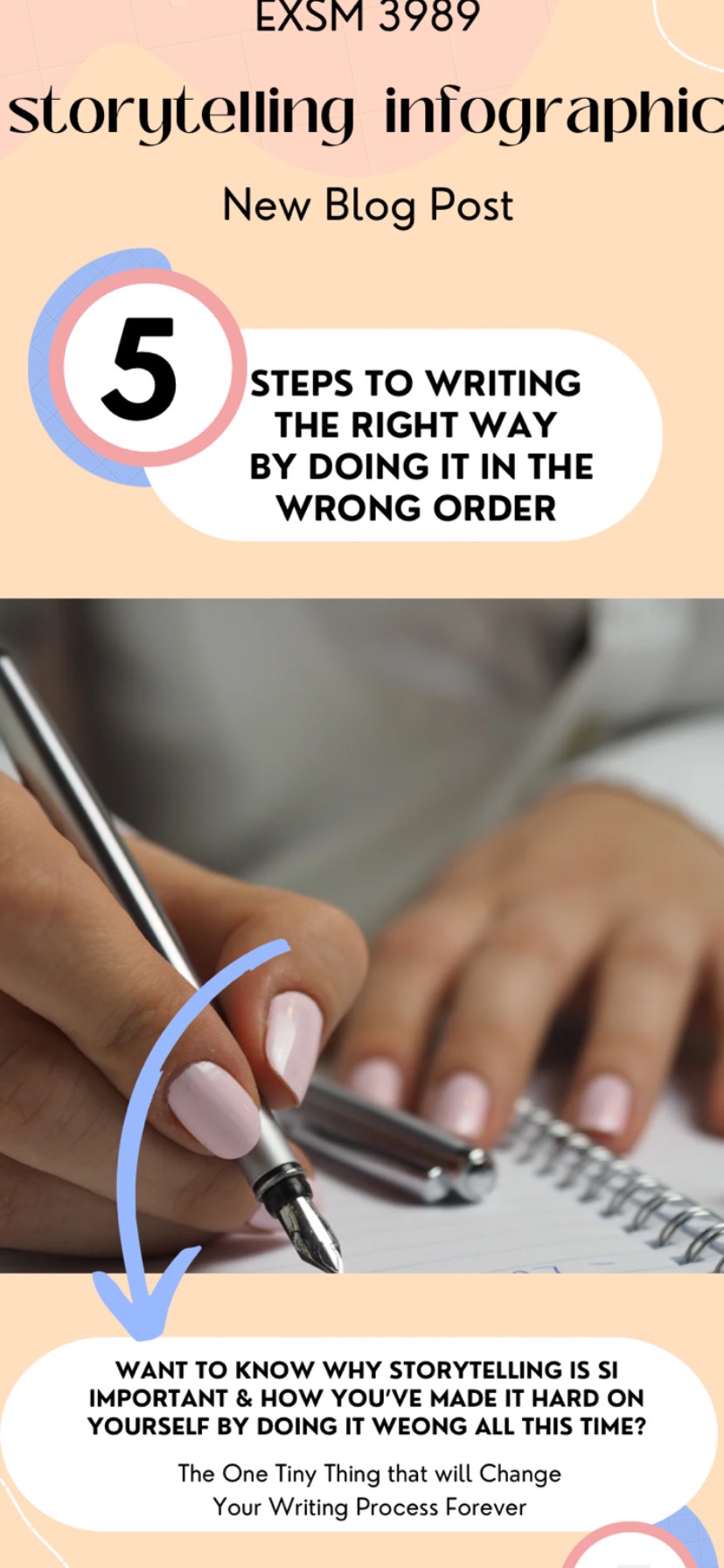
Storytelling Infographic
Categories
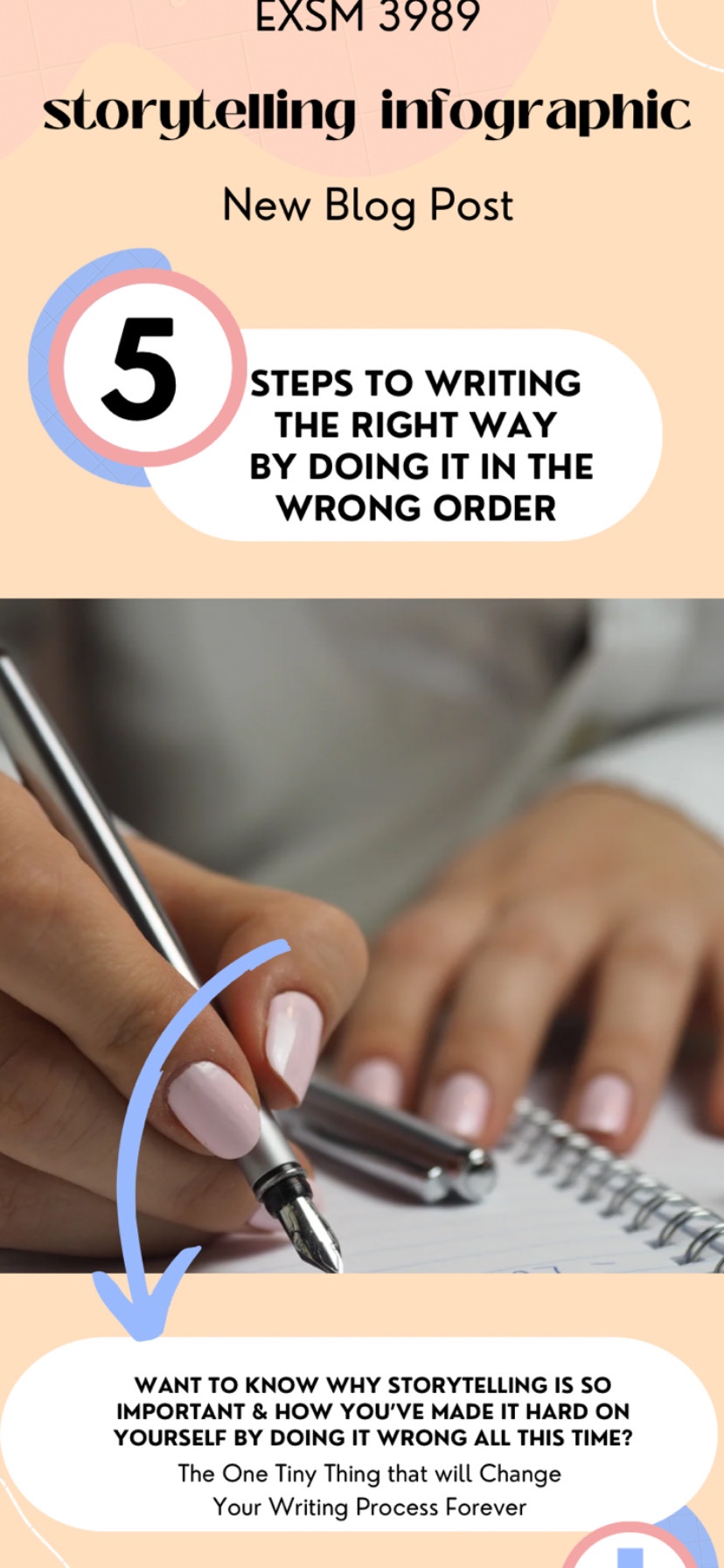
EXSM 3989 Storytelling Infographic
Categories
EXSM 3989 Storytelling Infographic
Categories
The Boy Who Would Never Grow Up
“To live would be an awfully big adventure”
J.M. Barrie
Ah, the story of Neverland. I spent my childhood wearing out the book of Peter Pan, reading of his adventures and often imaging my own if I were ever to find my way to Neverland. As I got a bit older, I found myself captivated in a new but familiar story: Hook.

“Look Mom! It’s Neverland!” I smile and point as we drive by a small island off the coast of Nova Scotia, nearly two decades later.
Throughout the tale, the author does not fall short painting vivid colours of the turquoise sea that hugs the island of Neverland. You can almost feel Tinkerbell’s fairydust tickling your face as she flies around. It’s safe to say that there is no lack of “Colour, Picture & Movement” (as Ashley Fell describes being key in every story on her Ted Talks).
The Story Spine
If you aren’t familiar with the story of Peter Pan, I will help break it down for you using the elements of a story spine
Beginning: The story begins in London, where the Darling children (Wendy, Michael and John) are telling stories of Peter and Neverland.
The Event: One day, Peter Pan visits Wendy’s window while he looks for his shadow. He convinces the children to come back to Neverland with him.
The Middle:
- Peter’s best friend Tinkerbell the fairy becomes jealous of Wendy. She tries unsuccessfully to have Peter’s nemesis Captain Hook shoot and kill Wendy.
- John and Michael go with the Lost Boys to find the island’s “Indians”, who instead capture them, believing them responsible for taking the chief’s daughter Tiger Lily.
- Peter takes Wendy to see the mermaids, they see that Hook and Smee have captured Tiger Lily, to coerce her into revealing Peter’s hideout. Peter and Wendy free her.
Climax: Hook takes advantage of Tinker Bell’s jealousy of Wendy. Tinkerbell reveals location of Peter’s hide-out. The pirates capture the Lost Boys and the Darlings and leave behind a bomb to kill Peter. Tinker Bell learns of the plot just in time to snatch the bomb from Peter as it explodes.
The End: Peter rescues Tinker Bell and together they confront the pirates, and release the children. Peter fights Hook and wins. Hook and his crew flee. Peter returns the children to London.
J.M Barrie first wrote the tale of Peter Pan in the early 1900’s asking his readers “What does it mean to never grow up?”
As concluded is the article “Beyond the 5 W’s” we can clearly see what driving question the author has highlighted in his story.
What are the classic “5 W’s of Writing” in Peter Pan:
- Who (Peter Pan, Lost Boys, Wendy, Tinkerbell and Capt. Hook)
- What (Growing up Vs. Staying young)
- When (Mid 1900’s)
- Where (London and fictional Neverland)
- Why (Better explained by J.M Barrie)
What can also unfortunately be highlighted in this story is the authors lack to ” Ensure the story is fair to the people and ideas it represents“
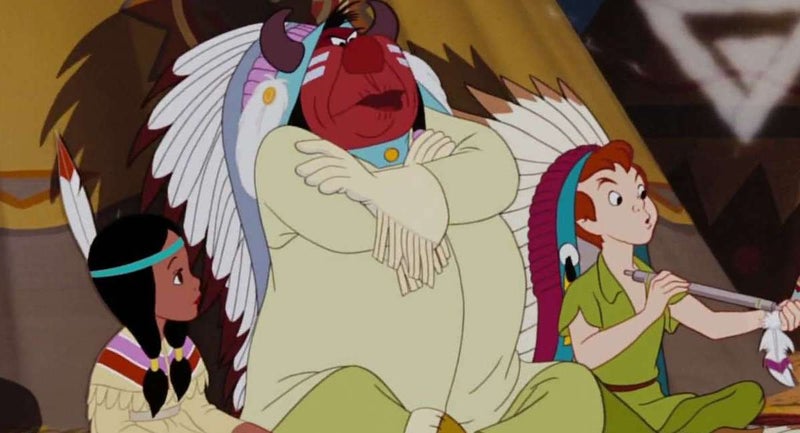
Like many Disney stories of it’s time, there is much to be learned about how NOT to tell a story. The description used in Peter Pan when referring to the “Indians” of the island leave me wondering how a parent would explain these points to their own children. In this article: https://www.fatherly.com/play/peter-pan-is-the-boy-who-never-stopped-by-racist/ you can find some interesting points discussed on the topic.
I’d like to ask you, do you think that the “four I’s” of writing are included in this story?
- Interesting
- Involve
- Instruct
- Inspire
Stay in the loop:
 EXSM 3989 - Digital Storytelling Class Blog