In my first year of university, someone said ‘semester abroad’ and I said ‘I NEED to do one’.
The journey from Edmonton, Alberta to Vienna, Austria was a long one, but the six months I spent abroad changed me forever.
My Journey: Vienna
My semester abroad, where I spent four months of my time, was pretty smooth sailing.
As with many things, you go through the process months before you step foot in the country, so my classes, accommodations and everything was completed before I even got there.
The only thing was I needed to take a bus to Bratislava, Slovakia and apply for my student visa.
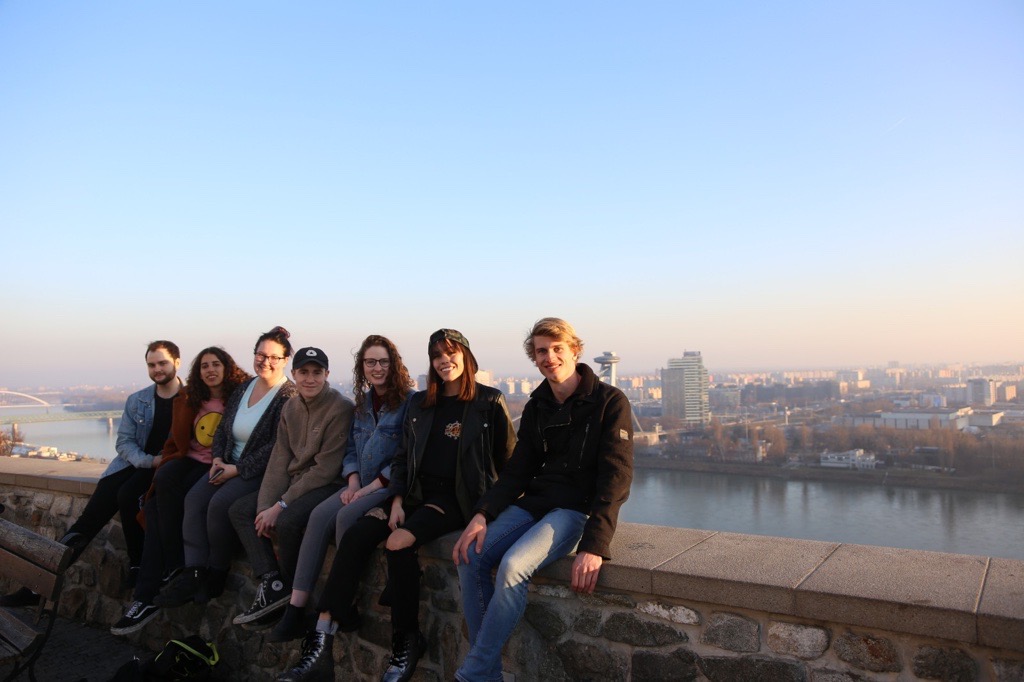
This was where I first connected with my travel group. A bunch of Canadians, some Dutch and a Scottish man, what could go wrong (other than too much partying).
During this time I went to Budapest, London, Krakow, Hallstatt, Salzburg and more!
I also met my father in Ireland for a three-week tour around the beautiful island.
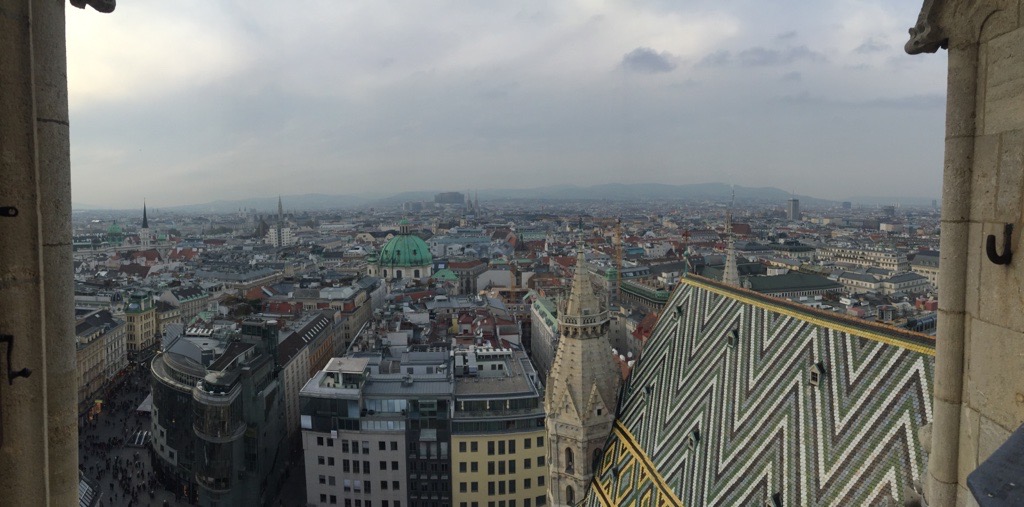
Vienna is an amazing place to see in it’s own right… beautiful old City, wine region and sloping hills in or around the City, what more could you ask for?
By the time I left Vienna, I had made friends from across the world and connected with more people than I ever thought possible.
My Journey: The Balkans
I decided to extend my stay and spend two months travelling the Balkans from Slovenia to Albania and back again!
If you’ve never been, I highly recommend.
Buses in this region are as low as a few bucks per ride and accommodations were affordable, easy to find and the owners were SO KIND.
I was fortunate enough to meet with my best friend during my time in the Balkans.
Looking back, the most glaring thing was the time she got us so lost on the way to the airport that I was driving on a dirt (generous) road littered with massive holes in BEHIND THE TARMACK.
At one point I ask her when the road is going to end and she says “I don’t know…. google maps just stopped.”
To say the least, we needed to circle all the way around the airport (and apparently a government facility) in order to make it back and return the car.
Why Consider a Semester Abroad?
I’ve narrowed it down to five main reasons why you should consider a semester abroad, and I’m doing to include snippets from my own journey to convince ya.
One: you meet the most amazing people. From Korea to Brazil the people I have met and connected with on the journey have been the reason for some of my most amazing memories.
Two: learn about a new culture, language and history. I have gotten to learn about so many empires I never heard of in Canada. I also now speak four languages at an elementary level, primarily due to living in countries abroad.
Four: landscapes and architecture. While Canada is beautiful, there is nothing like exploring a beautiful building that is older than your country (on paper at least).
Five: experience things you never could back home. Some highlights I will never forget include:
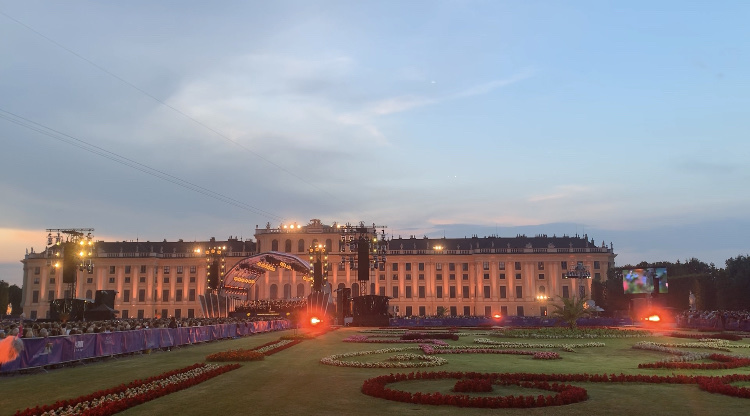
A free concert from the Vienna Orchestra in front of the Schloss Schoenbrunn.
Pouring my own Guinness beer in the factory.
Taking a hot balloon ride in Cappadocia.
And so much more!
So why take the leap and do a semester abroad? Because the experience you have will change you forever.
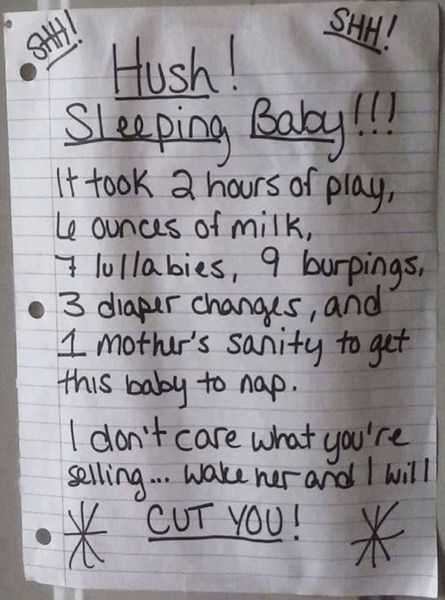
When my partner and I decided to have children, we never knew how much our lives would revolve around sleep. Sure, we realized that having kids meant there would be sleep deprivation for us, however we never understood the extent of how sleep would really take over.
During the early stages, we spent hours – yes, hours – rocking, patting, lullabying, shushing, swaddling, and bouncing our firstborn to sleep. When we weren’t trying to put him down, we would be meticulously planning our day around his nap schedule. It consumed us and it was exhausting on top of all the other parenthood challenges like feedings, maintaining the household, and getting some shut-eye ourselves.
We knew this couldn’t go on, we needed a solution to help make our lives easier so we could get more rest ourselves. So when our friends told us about sleep training, we were intrigued to learn how we could teach our child to self-soothe, fall asleep on his own, and stay asleep the entire night. It would not only help with his growth and development, but would also s benefit our mental health and energy levels as well.
What worked for us?
We started off by researching all the possible sleep training methods. While we never strictly followed any specific one, we did find there were three things that were the special recipe for successfully preparing our kids to sleep through the night.
Bedtime routine
Every evening we would go through a consistent bedtime routine to wind them down and get them familiar with the idea that they were getting ready for bed. This would start with a bath, warm milk, bedtime story, and lullaby. We learned from the Ferber method that this consistency helps your baby learn what to expect each night, and it helps set your baby’s internal clock.
2. Comfort object
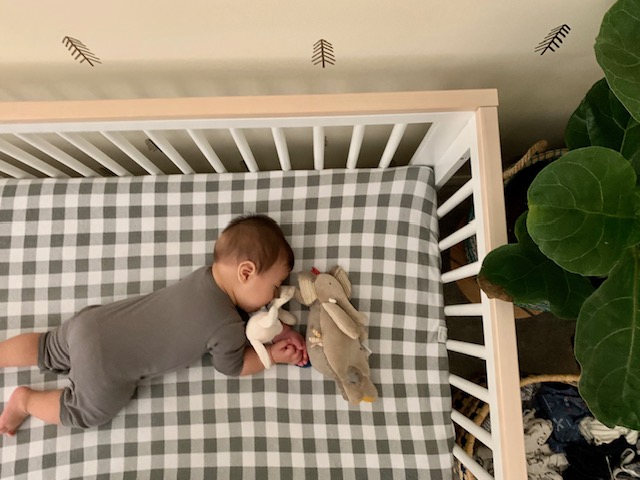
Since our baby was used to having us rocking them for hours, we decided to introduce a comfort object or lovey. This is an object that your baby forms an attachment to. It can be a blanket, stuffed animal, or another small object that helps your little one transition through life changes. This cherished item gives your child something to associate with sleep without relying on you to do the work. While a lovey doesn’t work for all babies, our kids latched on to their loveys very quickly. It also helped them with big transitions like going to daycare or on a family trip.
3. White noise machine
White noise machines can help babies with getting a better quality night’s sleep by masking environmental or outside noises that are causing disturbed sleep. They not only can help you get to sleep but also stay asleep, and may even help to train your brain to know when it’s time to snooze. As we live near a busy road that sometimes brings in sounds of emergency vehicles, we decided to use a sound machine. Our kids still love using their sound machine and can even now turn it on themselves. We also got a smaller travel version for when we go on trips so we can sleep well when we’re away from home too.
While these tips don’t solve sleep challenges for all children, they provide a solid foundation to prepare little ones for bed. It also made it a lot easier for us when we did start a more regimented sleep training program. We’ve used it on both of our kids and have had good sleepers now for almost four years! To say we are overjoyed to have some time back to ourselves is a huge understatement.
Since I was born in February of 1997 my only goal in life has been to be a dog mom. However my parents never allowed my to have one growing up because my brother and dad have SEVERE allergies to basically anything with fur. Fast forward to 2022 and I am still living with my parents which means I am still not a dog mom.
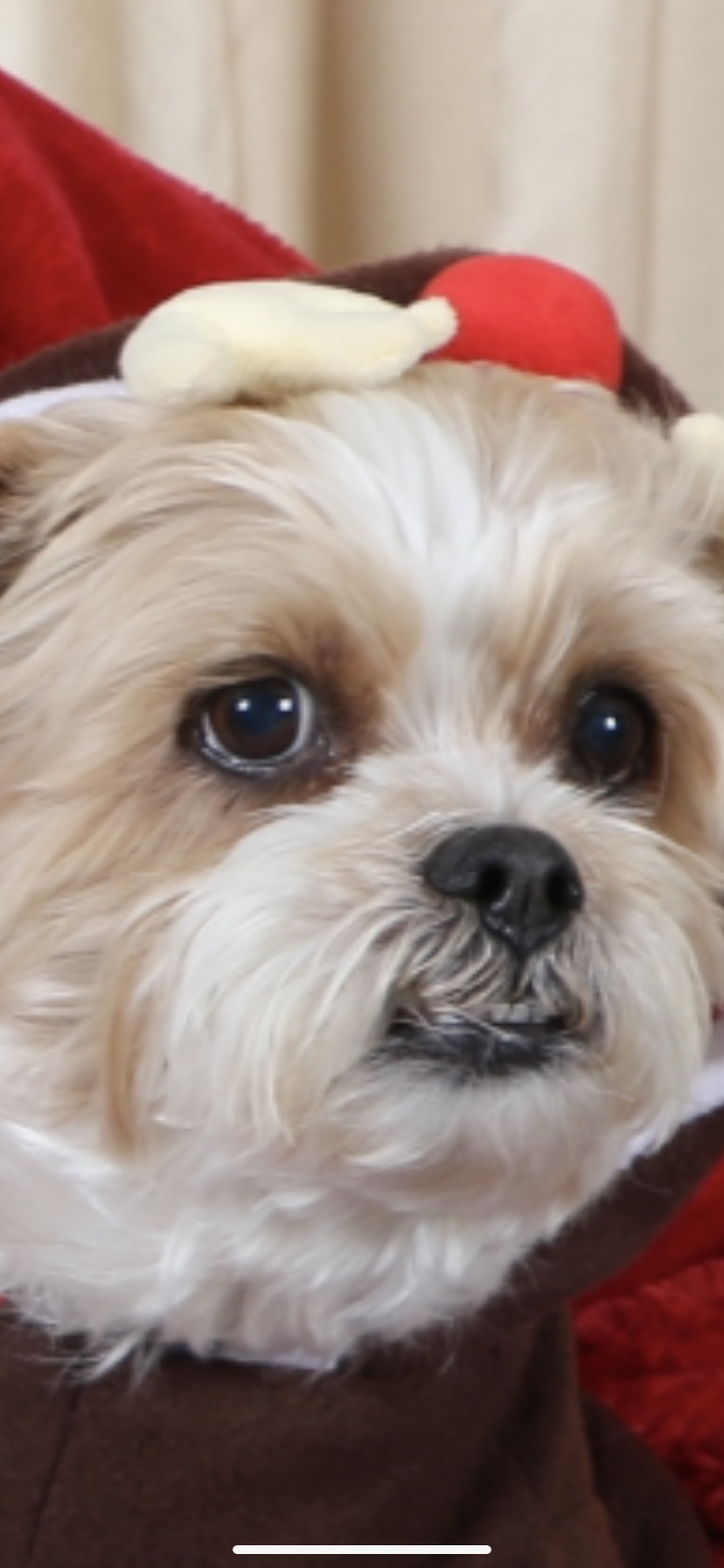
Although I don’t have a dog of my own I am lucky enough to have a best friend who happens to have the cutest dog in the world, Elvis (see below for proof that he is ADORABLE).
A Little Bit About Elvis (The Dog)
Elvis is a shih tzu cross who was adopted by my friend Amy and her family when he was 2 years old. They didn’t know much about his background when they picked him up from the Edmonton Humane Society but what they did know was that he was nervous and needed to be loved.
Elvis is now ten years old, has a brain tumor, is blind, deaf, and has a heart murmur. Despite this list he is still a spunky, loveable ball of fur who wants nothing more than to sit in your lap and snore the day away.
Since Elvis is slowly getting older Amy didn’t know how many more Christmas’s she would have with him, so we decided that we needed to take him for holiday photos to remember the festive season with him.
Holiday Photo Day
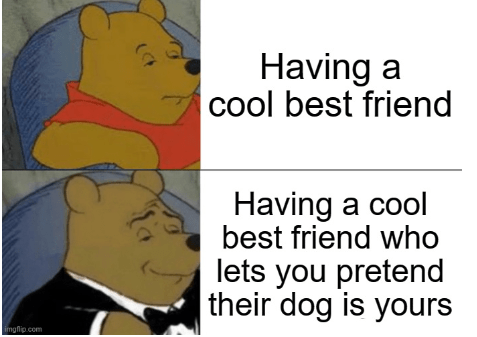
I am fortunate that Amy lets me pretend Elvis is also my dog so naturally I tagged along to be a part of the holiday photos with Elvis.
We thought since Elvis was a rescue from the Edmonton Humane Society that it would be great to help give back to them and get our holiday pictures taken as part of their Pets With Santa Fundraiser.
BOY WERE WE WRONG.
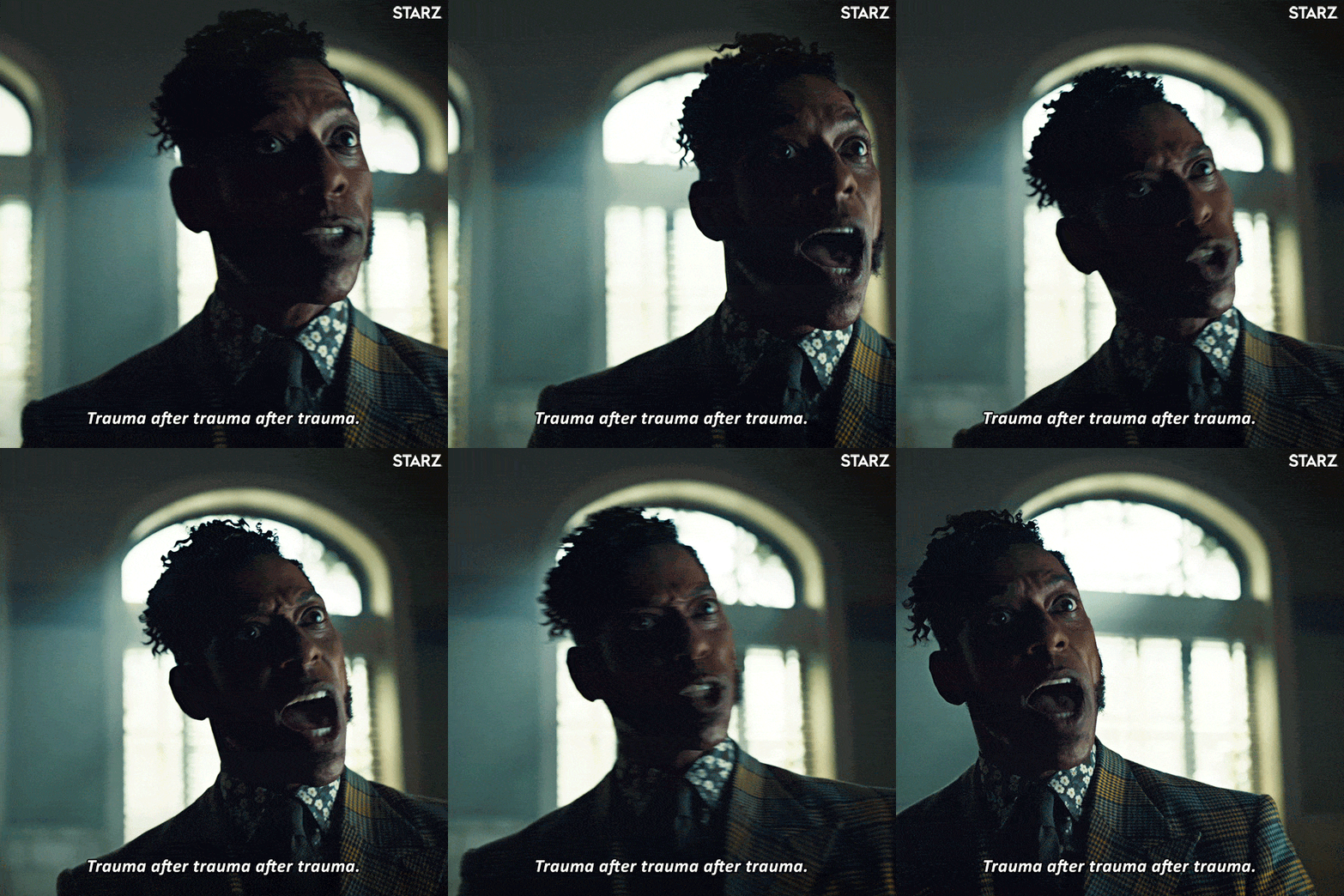
Now since Elvis is blind and deaf he usually doesn’t have too much awareness about his surrounds (or at least he has made us believe that). However when we pulled into the parking lot of the Edmonton Humane Society it was as if this dog visions and senses were returned to him because he knew EXACTLY where we were. I have never seen him breath so heavy or shake so much but it was like all his past trauma came rushing back and once…
We had already paid for the photos so thought maybe he would calm down once we got inside…. this was not the case. We got inside and put Elvis on Santa’s lap and the fear in his eyes was evident. Elvis squirmed and wiggled and tried to get out of Santa’s lap, all while locking eyes with Amy and I as if to say “You crazy ladies better not be leaving me!”.
We took a few pictures of Elvis with Santa and then Amy and I joined in the photos. The whole process took maximum 5 minutes but I’m sure in Elvis’s world he thought it was hours. After photos the poor little guy wouldn’t leave our side – we felt AWFUL. Both of us wanted to make him feel better but didn’t know what we could do to tell him “Sorry we traumatized you”.
We got Elvis back in the car and he snuggled up into my lap but was still breathing very anxious and heavy. But Amy had an idea. She put the car in drive and mapped the closest Dairy Queen. The one thing about Elvis is there is absolutely NOTHING this dog loves more than ice cream – it is his Kryptonite. We just had to hope that a small cup of vanilla ice cream would erase the traumatic holiday photos.
We pulled into the drive through and again it’s like Elvis knew exactly where we were ( I am starting to think he is more aware of what’s going in the world than he has led us to believe). We order the ice cream and he vacuumed it up, let out a big sign, then instantly started snoring in my lap. THANK GOODNESS the ice cream worked. Hopefully all he remembers from that night now is his delicious treat and good nap and not the scary experience of this holiday photos.
If someone were to come up to me and ask me to tell them anything – I would tell them this: I hope you have the wonderful opportunity of knowing and having a good friend in your lifetime.
I’ve been lucky enough to have known my friends for over a decade (almost twenty years now). When I tell people about this, they are often amazed as they recall how their friendships have soured over time due to disagreements, differences, and losing touch with one another over time as they got busier and more invested in their own individual lives.
So, this made me wonder – how did we make it so far? What made our friendships so successful? After all, we had moments in time that separated us like going to different schools, starting our careers, and even moving to a new city. Yet somehow, we kept the glue of friendship together after all this time. I write to you in hopes of sharing some insight on how to keep the friendship fire alive, and the value in that.
To know the how’s, you must first know the what.
Context:
My friend group consists of three wonderful individuals: Adrianna (A), Ellain (E), and Kathryn (K). A + E came into my life early on through elementary school. We were enrolled in the Mandarin bilingual program, and our cultural backgrounds were similar – we were the second generation‘s of our family. Though we didn’t know of all these similarities back then as careless kids, I reflect back on it and realized that those things were what helped bring us together to exist in the same space. Our parents enrolled us in that particular school because they had wanted us to speak and stay in touch with our cultural language.
I’m not sure if you are as wishy washy as me, but I think this is what they call ‘fate’. Because from then on, we stuck together like three peas in a pod even until junior high! This was also where K came into the picture. We met because we had several classes together in Junior High, and easily became friends because we were both goofy and we just understood one another. From there, I introduced K to the group and we (thankfully) all got along with one another well.
When high school came around, A went to a different one while E, K and I went to the same one. It was during this time that I admit we sort of lost touch with A – we just simply weren’t in the same space anymore which meant we saw each other less frequently. This period of time is best described by the quote below:
Phew! That might be a mouthful to read, but twenty years of friendship is hard to pack into just a single paragraph. I promise I’m almost done!
Continuing Onwards:
Fast forward, some of us decided to attend university after high school, and some of us decided to wait and figure life out. But even amidst us getting busier and life getting harder, we made a deliberate choice to at least check in on one another periodically. We chose to show up for important celebrations like birthdays, performances, graduations, and holidays! We chose to answer our friends calls when they were struggling. We chose to listen to one another. Even after some of us went on to get a degree and establish our careers and relationships with partners, this foundation of showing up and showing effort remained a staple even if we were in different cities or doing different things in our lives.
So that sort of brings us to where we are today. A group of individuals who come together as friends to celebrate one another in all aspects, who respect one another, and who share with one another both the vulnerable, hard moments and the joyous moments.
Tips on Keeping the Friendship Flame Alive:
So how did that all work for as long as it did? Well, in hindsight I think 5 key things prompted a successful long-term friendship:
The outcome? I have three individuals that know me intimately, that bring me immense joy, and that I trust and know I can count on. They’ve watched me (just as I have been fortunate enough to watch them) through all my life milestones. They’ve seen me succeed, cry, laugh, grieve, and celebrate. I wouldn’t trade what we’ve built for anything. And I hope with these tips, you can see and feel the value in continuing to forge your friendships for the long run.
Sometimes it feels as though there is always a new cause to support. A new fight to be had. For myself, as a first generation Canadian citizen born in China and raised in Canada, there are many fights to be had. Although there are a plethora of problems that are concerning in our country, we can’t deny that we do live in a country with great privilege. Living in a privileged country where we don’t have to worry about the threat of our safety through war and where we have the right to vote or express ourselves freely is one that is often taken for granted. However, I believe that with this privilege comes great responsibility as Canadian citizens living in a first world country. It’s our duty to actively learn and to be aware of the issues that plague our globe. As we become more and more interconnected, it is our responsibility to look out for one and another and to take care of each other because many of these issues revolve around basic human rights.
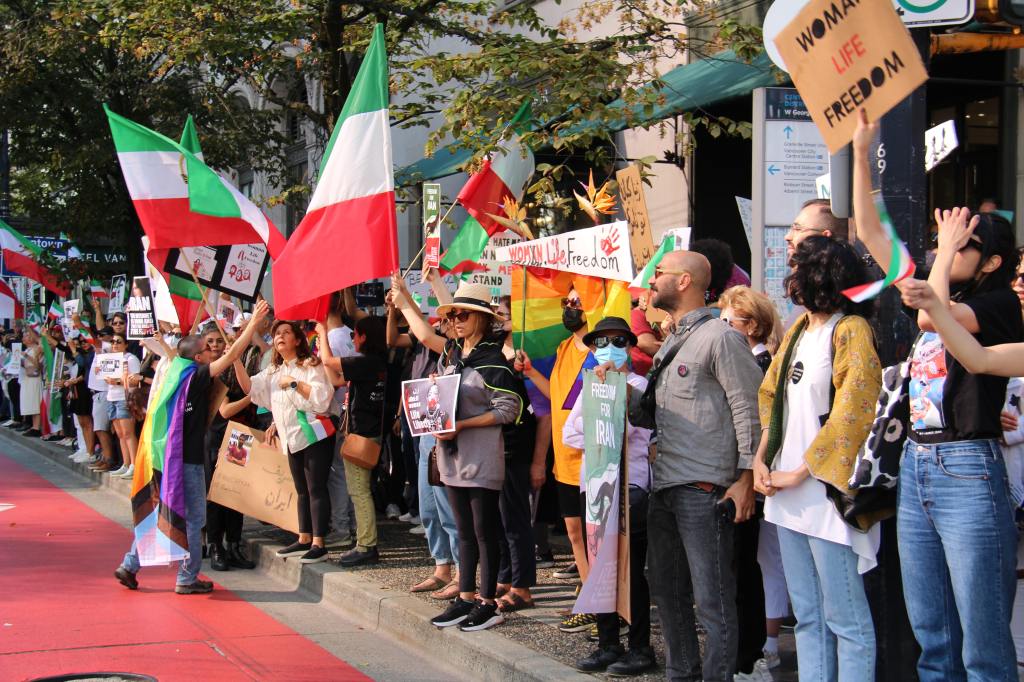
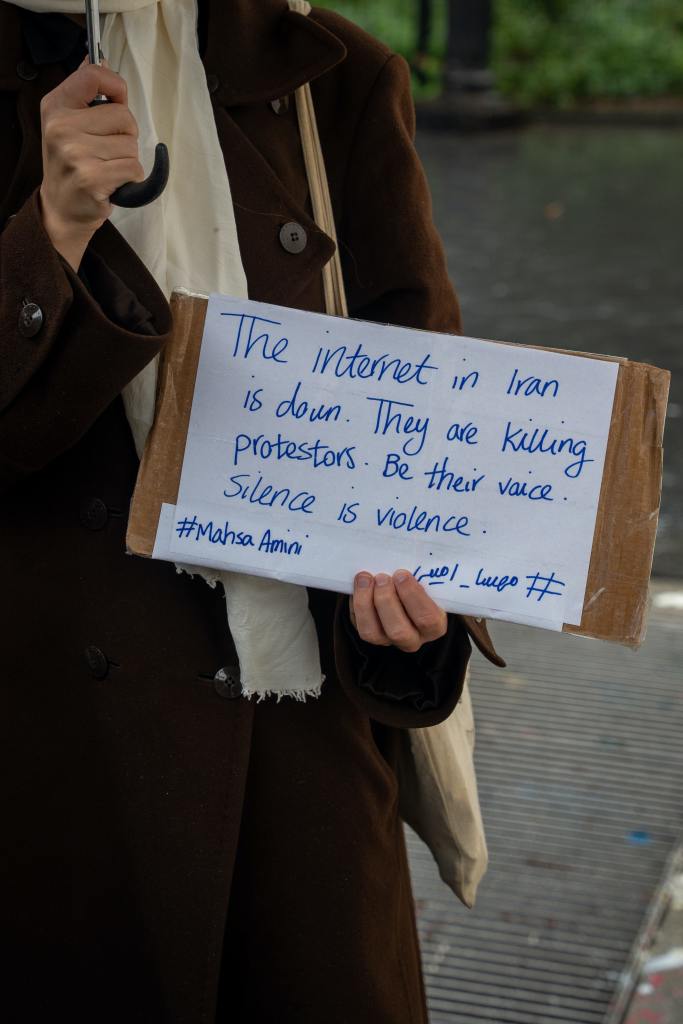
The most recent Iranian protest has been ongoing now since September 17, 2022. This is an important story that is happening right now and not enough people are talking about it; not enough action is being taken. For context, on September 12, 2022, a 22 year old Kurdish woman by the name of Mahsa Jina Amini was arrested by the Iranian morality police due to a few strands of hair sticking out. She was then taken to a police station to be “educated” on the law—the law that requires all women in Iran to keep their hair covered. A few days later, she had fallen into a coma and then was pronounced dead. A post-mortem CT scan shows signs of skull fractures, hemorrhage and brain injury.
Following her funeral, a protest erupted which helped kickstart and launch the current Iranian revolution that is happening right now. But this revolution and demand for regime change did not happen overnight, it is the result of a dictatorship that has been regularly persecuting its own people and denying them the right to basic human self-expression. Things like being a member of the LGBTQIA2S+ community and even singing or dancing can get you killed.
How has the Islamic Republic been responding to these protests?
With more murder, as of November 29, 2022: 488 people have been killed by security forces in Iran according to Iran Human Rights group. This number includes both women and children. Read more about the people who were killed in the protest and why it is challenging to verify the identities of those murdered in this BBC article. 15,000 protestors have also been arrested and Kurdish civilians are being systematically targeted, kidnapped, arrested and murdered. Iranian people are knowingly attending protests so that they can fight for their basic human rights and know that there is a chance that they won’t make it back home to their loved ones.
Diaspora and how it relates to this Revolution
What this leads us back to is our need to be aware of the situation in Iran and understand how it is affecting both Iranians living in Iran as well as Iranians living in other countries such as Canada.
Diaspora is not a new term, however, this is a term that has often come up for Iranians living in countries other than Iran since the protests have began. In history, we have seen this term being used to refer to modern day Jews living outside of Israel and descendants of African countries being moved and living in various parts of the world outside of Africa. In the context of Iran diaspora, we are referencing Iranian people or those with Iranian ancestry living outside of Iran who may have ties back to their migrant country of Iran—more specifically, in the face of these revolutions. These ties come in many forms and may be cultural or religious ties or identity ties but sometimes come with a sense of longing or wanting to return to Iran.
Again, I want to emphasize that the term diaspora is a term that many cultural groups and people from all backgrounds may identify with. However, for the purpose of this post, we are referring specifically to Iranian diaspora. Click the link here to learn more about diaspora as a general term.
We’ve taken the time to speak to two Canadian-Iranian women to learn more about their perspective on how these recent protests have shaped their identity and the rising phenomenon known as “diaspora”.
The first interview is with a woman named Taraneh and the second interview is with a woman named Shiva and includes an audio transcription. Follow along to the interviews here.
Next Steps
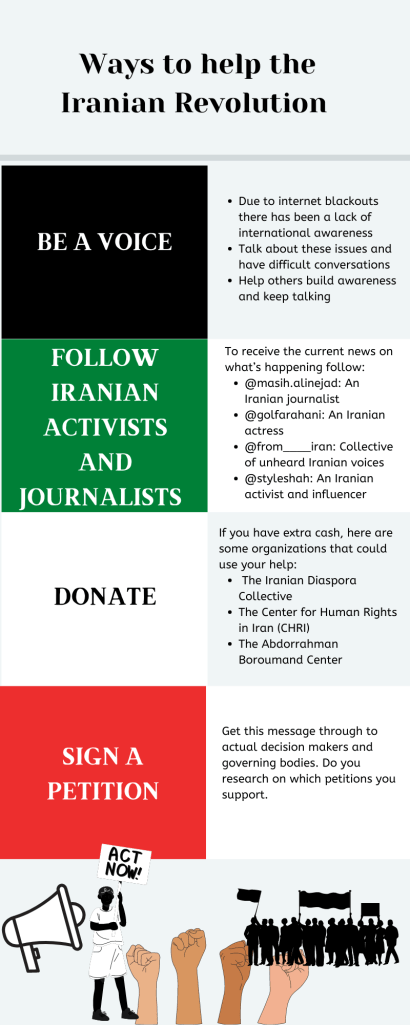
Here is an infographic with ways to help the Revolution.
Important social accounts to follow
Style Shah—an Iranian social media influencer & activist—(@styleshah)
Chelsea Hart—an LGBTQ+ and human rights activist (@chelseahart)
If you have the capacity, a donation to an organization that directly supports and helps Iranian human rights issues would go a long way.
Here is a list of some organizations to look into:
The Center for Human Rights in Iran (CHRI): This organization protects and fights for human rights in Iran. Money that is donated will be used to research all incidences of humans right violations that take place in Iran. Additionally, the funding will go towards documentation as well. Donate here.
The Iranian Diaspora Collective: This coalition gathers artists, writers, journalists and other professionals belonging to the Iranian diaspora. The Collective invests 100% of their funding into purchasing advertising space in high traffic and visible areas to help accelerate and spread the movement related to women-led protests in Iran. Donate Here.
Although, this information has only scratched the surface of what is happening in Iran, I hope that it has helped create some awareness and that as a global citizen you feel ready to take action and to learn more about what is happening in Iran. It’s our responsibility and call to action to help spread this awareness. We need to continue talking, learning, having difficult conversations and to be their voice.
We asked them their views on what’s going on in Iran and how these protests and the revolution has affected them
By Joanna Chu
“This revolution is not over. We’re in month number three, going into four. This is just the beginning. Please keep sharing, please keep listening and please keep keeping yourself educated.”
Shiva, 2022
In the midst of all the chaos of what is happening in Iran, I’ve taken the time to hear to two stories from Iranian-Canadian women living in Canada. They still have friends and families in Iran and during this time, it is important to hear their stories and to keep talking and to keep sharing.
The first interview that we had was with Taraneh (Tara for short). I have known Tara for a long time now. We used to both work at Town Shoes and when this opportunity arose to share this story, I knew I wanted to involve her. I also had a privilege to speak to one of my dear friends, Shiva, about this. Shiva has been teaching me a lot about the injustices that are happening in Iran and I knew that she was the perfect person to share this story.
Please follow along to the interviews below. We have Tara’s interview transcribed below and Shiva’s audio interview with transcription below.
Interview with Taraneh
“The protests have been really hard on my family and friends. I feel that we all share a feeling of collective trauma – we all know what it’s like in Iran, we have lived it.”
Taraneh, 2022
Joanna: Hi Tara, Thanks for joining us today. Can you tell me a bit about yourself and more about what is going on in Iran right now and how it has impacted you or your family and friends?
Tara: Hi! My name is Taraneh, I’m 26 years old and I just graduated law school. My family moved to Edmonton from Mashhad in 2003, when I was 7 years old. My parents considered immigrating to Toronto or Vancouver, but they thought those cities would be more difficult to make it as new immigrants, so they chose Edmonton.
My entire extended family lives in Iran. I have 14 aunts and uncles, and even more cousins. They all live in Iran. The protests and executions that are happening are in my hometown Mashhad, where all my family lives. When the revolution first started, and the government cut off the Internet, communication with my family became very difficult. Our group chat went completely silent, and we couldn’t talk to my family at all. It’s better now, but their internet is still slow and it’s hard to get videos of what is happening in Iran now.
The protests have been really hard on my family and friends. I feel that we all share a feeling of collective trauma – we all know what its like in Iran, we have lived it. So when we see the protests on the news, or the names of people who have died, it feels very personal to us. It’s a feeling that’s hard to describe, but every Iranian understands the pain, even if they are living outside of Iran.
For my family living inside Iran, the biggest thing for them is that they don’t feel heard—especially at the beginning of the protests. I remember messaging my aunt on Instagram (who lives in Iran still), asking her what I could do to help. All she said was that I continue being their voice. With Western media largely ignoring what is happening in Iran, the biggest thing for my family is feeling that people outside of Iran understand what is happening.
Joanna: What can you tell me about diaspora in the context of the Iranian Revolution?
Tara: The Iranian diaspora refers to all the families that left Iran after the Islamic revolution in 1979. There are huge groups of Persians all around the world, for example Vancouver has a huge Persian community. Almost every 3rd person I see on the street in Vancouver is speaking Farsi. The diaspora is really coming together during this revolution. There are massive protests all across the world supporting what is going on inside of Iran. It’s really heartwarming to see all Iranians come together, no matter where we are.
Joanna: What does the statement “Women. Life. Freedom.” mean to you?
Tara: The phrase “Women. Life. Freedom” has come to mean a lot to me. In Iran, women are treated very poorly. We are told what to do at every step in our lives. The only way that Iran can be truly free is if our women are free.
Joanna: Can you tell me more about the morality police? How are they enforcing morality laws?
Tara: The morality police have been around since the Islamic revolution. Personally, I have been stopped on the streets of Iran as a kid by these police. When I was 7, I was stopped with my family, and the police asked my parents why I had nail polish on. Nail polish is against Islam. My dad came to my defence, stating that I was just a child. They let me go with a warning.
My mom has also been stopped many times, because her pantyhose was not “thick” enough. My dad (who is an atheist) has been stopped for drinking water in 40 degree heat in the months of Ramadan, as the religious holiday states you are not allowed to eat or drink.
Joanna: What do you want people to know about Iran or this cause?
Tara: What I want Canadians to understand about Iran is that our country was not the way the news has typically made it out to be. We were free before. When my mom was in University pre-1979, she wore skirts, and never covered herself. It’s frustrating to me that people in the West don’t realize that Iran was free, and we are not this ultra-Islamic state that people imagine. I think the lack of international awareness plays into this—the West doesn’t realize that we want to be free, that we don’t want war.
Joanna: How can your fellow citizens help this cause?
Tara: I think the best way for other citizens to help is to inform themselves on what is going on, and to continue the conversation. The only reason this momentum is still going is because people are talking about it. We have to keep going, keep posting, and show our governments that we care about Iran and the people who are fighting for freedom.
Interview with Shiva
*Transcription below the audio*
Joanna: All right. So we have Shiva joining us today, and she is a Canadian-Iranian woman. Shiva has been living in Canada since 1996, and she’s actually doing her PhD here at the University of Alberta. And recently she’s been interested in the phenomenon of Iranian diaspora in the context of the current revolution and the protests that have been happening. We’re really lucky to be speaking with her today and to learn more about what is happening in Iran from the perspective of an Iranian woman living abroad.
Thank you so much for joining me today. Shiva, can you tell me more about what is going on in Iran right now and how it has impacted you or your family and friends?
Shiva: Thank you so much, Joanna, for having me. So I just want to say before we begin that though, what is happening in Iran and the experience of Iranian diaspora is very universal. It’s also very personal story. So this is just my perspective on what’s going on. So I think we all kind of know about the revolution that’s happening and the way that it’s impacted me and my family and my friends is the revolution signifies and symbolizes a lot of more things for all of us. It symbolizes the amount of injustice that’s been happening and has happened over the last 40 years to our people and our country. And it symbolizes really a battle between an extremely oppressive government that has committed unspeakable crimes to its people, and not only the Iranian people living in Iran, but the Iranian people around the world.
It’s really complex in Iran because we don’t know everything that’s going on. And even my family and friends who live there are shielded from the news. Like sometimes we even know more than them. Like we’re telling them what’s happening. But my family and friends are safe there. I do have a lot of younger friends and family that have been active in the protests and they are obviously trying to stay safe, but you never know what’s going to happen in Iran. But yeah, my family here, I think it’s just very, very weary to be really hopeful because Iran has historically quelled so many uprisings and revolutions, but we’re all just really hopeful that things will turn around for Iran and that we’ll be able to go back to our country.
Joanna: Can you tell me a bit more about the morality police and how they’re enforcing the morality laws in Iran?
Shiva: OK, so the morality police is an organization that works for the Islamic Republic of Iran. They were created in 1979 after the Islamic Revolution. Prior to the revolution, Iran was a very Westernized kind of place in the sense that women were allowed to dress however they wanted, just like they do in Canada or the US.
So the morality police are basically a group of very violent people that drive around or walk around the streets of Iran. And sometimes you can tell who they are, sometimes they’re undercover, but they will walk around and basically they are surveying the women and the way they’re dressed. So in Iran, you have to be covered with a hijab, so you’re all of your hair has to be covered and you have to wear what we call a monteau.
So it’s like a long jacket. And Iran is very hot in the summer months, especially, extremely hot. So you can imagine how hard it is to dress like that. And so for example, in the case of Mahsa Amini, her Kurdish name is Jîna. Jîna was visiting Tehran, the city that is like the capital of Iran, and she was visiting with her family. She’s a Kurdish woman and her hijab was just slipping a little bit and she was taken by the morality police and questioned. And they have these things like these places they take you for reeducation classes, they call it. And this is usually where they will be violent with women, especially if they show any kind of resistance. And I mean even just like verbally resisting what they’re saying. And so the morality police are there to enforce these laws of how women should dress. If they think that you’re with like a boyfriend, if you’re holding hands, they will be aggressive towards you and they will take you in. And it really is scary because it just depends on the day and how they’re feeling. There’s no real like unifying laws that they have to follow and they don’t answer to anyone. I know many people who have been taken by the morality police, family and friends. It’s such a universal experience in Iran as a woman. And like I said, it just depends on the day. It depends on how they’re feeling. So the morality police are there to enforce the laws of how you should dress and behave as a woman in Iran and historically, they have taken a lot of women into custody and to beaten, raped, sexually assaulted and murdered women. But Jîna Amini is the first one. That kind of her imprisonment was captured on video and that’s why it caused so much outrage.
Joanna: All right. Thank you, Shiva. And my next question is, what do you want fellow Canadian citizens to know about Iran and the protests that are happening right now?
Shiva: So I think in the term, in the context of Canada, there are so many Iranian immigrants living here. We have been so lucky to be able to immigrate to Canada. And in Edmonton, Vancouver, Montreal, Toronto, we have such a high level of Iranian immigrants, especially in the bigger cities. So I think that non-Iranian Canadian citizens. What we would want them to know is that Iran is very much suffering right now and that the voice of the non-Iranians are actually what has gotten this uprising into a revolution, starting by a woman-LED uprising into a mass country revolution. And I want Canadians to know that there’s a lot of, as much as social media has helped our cause, there’s a lot of misinformation. It’s really difficult to keep yourself.
Educated on the right things, but I I would really press anybody who cares to really think about where they’re getting their sources from. And like I said before, this is a human rights issue. That’s what I want all citizens of the world to know. This is not an Iranian issue. We have an entire country of millions of people that are quite literally fighting for the right to exist, basic human rights, and we need the voice of Canadian citizens. We need the voice of people who are showing the Islamic Republic of Iran that they won’t stand for this.
Joanna: One of the chants and sayings that have been said at many Iranian protests around the world is women, life, freedom. What does the statement mean to you?
Shiva: So the slogan Women Life, Freedom that we hear in worldwide protests and also in Iran, in Farsi, it’s Zan, Zendigi, Azadi. It actually is rooted in the Kurdish slogan. It is a popular political Kurdish slogan, and it’s used in the Kurdish independence and democratic movements. And it was originated in Turkey and in Kurdish, it is Jin, Jîyan, Azadî. And it’s important to know the roots of this, because Mahsa Amini and her Kurdish name, which is important to know, is Jîna Amini. She was actually Kurdish and the Kurdish people in Iran have historically been severely oppressed, even over other groups of people, including women.
So Kurdish women are very oppressed, and the term is a universal slogan. I think it means something to all of us. And even men in Iran really love this slogan because it’s kind of tying in the fact that our life and our liberty and our freedom is tied in with the life and liberty of women.
And as long as women are oppressed, there is no way for the rest of the people to be oppressed. And this is really important in the Iranian movement because though it was a women led revolution, it started with women leading the way.
You can see that men are standing right next to women. And this is something we don’t know in media. I think media has portrayed Iranian men to not be supportive. But this is like Iranian men are so supportive of Iranian women’s freedom, and they know that their freedom and liberty is personal, only tied in with Iranian women’s freedom and liberty.
Joanna: Thank you for providing that context. My next question is why do you think there has been a lack of international awareness and action regarding this revolution and the ones that have come before?
Shiva: So there are so many different answers to this question.
Since the Islamic revolution of 1979, there have been multiple protests and uprisings and they have been ignored by the world for many reasons. I think one of the biggest ones is that Iran is really good at these things called media blackouts.
And they are, they’ve literally, essentially, in the past, uprisings completely silenced the rest of the world and the reigning community from the rest of the world. So the world’s actually doesn’t know what’s going on.
I also do believe that there has been many efforts around the world and around different international media sources to downplay what’s happening in Iran. The difference this time is that we have a TikTok generation that has started this battle and has made this battle known. We are seeing on TikTok live things that are happening. You cannot refute these things like it’s horrible images and videos, but they’ve actually made the rest of the world see that there’s severe and horrific injustice going on right now in Iran.
And this time the Iranian government, though they did have media blackouts during this entire thing and they still do, they were not able to shut out Iran from the rest of the world. I also do believe, like I said, that we see so many conflicting things in media and we don’t know a lot of the times other people, not Iranians, don’t know what is right and what is wrong and that’s fair.
But social media in that way has been a saving and revealing grace for Iranian people and also something that has deterred their efforts.
Joanna: Okay, my last question is how can we help? How can your fellow Canadian citizens help this cause? What are things and ways that we can help mobilize support to help this Iranian revolution?
Shiva: This is a great question. So in my experience, Canadians who know what’s going on. Non-Iranians who know what’s going on, a genuine understanding are able to help.
So starting with if you don’t know what’s happening, posts like this or blog posts like this, information like this really do help Canadians to know what’s going on. And for example, my friends during this difficult time in my life have supported me so much, much.
By coming to protests with me. They’ve shared all of the posts I share. They’ve shared the posts I make. So listening to the Iranian community, there’s a few prominent Iranian activists that I would suggest that I think that you will suggest.*
And sharing these posts and the contributions of these activists is really important. If there are protests in your city, the numbers in these protests mean the most. People don’t realize that the Islamic Republic is watching. They are scared. They’re very scared. And seeing more non Iranians around the world supporting this is the thing that scares them the most. And I can say with confidence, by talking to my cousins in Iran and my friends in Iran, they have said that the number one thing that has kept them risking their lives, every protest and every time they go out without a hijab is seeing the rest of the world watching them.
There is so much power in unity around the world. We have felt as Iranians that we have been shut out from the rest of the world and demonized in Western media and made to be something we’re not for so long. And now that we see people are finally listening to us and they’re supporting us around the world, people of all different backgrounds. It is the most powerful thing. And this is what keeps Iranians going.
So I would say sharing as much as you can. This revolution is not over. We’re in month number three, going into four. This is just the beginning. Please keep sharing, please keep listening and please keep keeping yourself educated.
Last year, my husband and I sent our DNA to one of those sites that unlocks your lineage. I was in a dreamy state of mind when I sent the packages and hopeful that my bloodline would reveal an ancestral royal cousin or a connection to an adventurer who discovered North America, something over-the-top. The results came in ten weeks later, and my origins are in eastern Europe and Ukraine. It confirmed what I already knew and I am not disappointed, but secretly, I would have loved a DNA surprise!
I am a second-generation Canadian but have embraced my Ukrainian ethnicity over the years. I remember when I was growing up; we drove 9 hours at least three to four times a year to visit my grandparents living in Saskatchewan. My baba and dido were always welcoming no matter what time we arrived. That welcome always came with a sloppy kiss and big hugs. After the welcome, there was often a “snack”, and when I say “snack” I mean a full meal waiting at the table for the travelers.
The remembrances of my baba and dido, who passed away in the early 2000s, apart from their hospitality and love of their grandkids, included my dido’s stories of the old homestead and farming the land. He would talk so fast and passionately that his English would blend into his Ukrainian. Deciphering what he said was like playing a game. My baba was a talented cook. Not to many were referred to as a chef in those days, but she should have been. Her cabbage rolls, homemade kolbassa sausage, jellied “head-cheese”, which as a kid I never touched, and her baking was outstanding. What I most vividly remember, though, was her “pedaheh” or perogies.
In Ukrainian, the correct name is varenyky, which comes from the Ukrainian word varyty meaning “to boil.” They generally cook these in boiling water. However, in my grandparents’ home, they were not referred to by this term, always pedaheh. I use both words, pedaheh and perogy, in my home.
In a world where perogies have become a staple across cultures, filled with a variety of flavours, my baba made her pedaheh quite simple. The pasta-like dough is rolled thin, cut into circles, and filled with a mixture of mashed potatoes, cheddar and cottage cheeses, and fried onion. They were boiled in lightly salted water until they bobbed to the top of the pot. The puffy potato packages would be drained and tossed with onions sauteed in copious amounts of butter and deliciously fried bacon bits. Sour cream would be sitting on the table where we could scoop an embarrassing amount on top of our perogy mound.
I was privileged to get my baba’s handwritten collection of recipes and she was auspicious enough to record her perogy recipe and tips. My daughters and I try to schedule a perogy-making day at least once a year. It is a time of connection between us and the past. DNA may reveal blood connection, but we build relationships on memories, connection, and sharing experiences. Perogy-making day is a place where my girls reminisce stories about their great-grands, the old homestead, and farming the land.
Oh, and by the way, my husband’s DNA revealed he has Viking blood, and he received the surprise of a half-sibling no one knew about. Go figure!
Baba’s Pedaheh (Perogy) Recipe
The dough
1 cup hot potato water (water used to boil your potatoes.) Tap water could also be used 1 cup milk ¼ cup oil (tradition was to use corn oil)
4 ½ cups all purpose flour 1 tsp baking powder 1 tsp salt
Step 1 Combine the water, milk and oil in a large bowl Whisk to combine
Step 2 Sift the flour, baking powder and salt Add a cup at a time to the liquid. Mixing after each addition Knead dough until soft and elastic Allow to rest 30 minutes
Step 3 Divide the dough into fourths Roll out a portion to about 1/8th thick. Using a 3 inch round cookie cutter or the opening of a drinking glass, cut as many circles in the dough as you can. You can gather up the left-over dough and reroll it several times.
Step 4 Add a heaping tablespoon or so of the filling to the centre of each circle. Fold one end of the circle over and carefully pinch the edges closed. The dough should easily stretch over the filling.
Step 5 Place the perogy on a parchment-lined cookie sheet. Leaving a little space between each little bundle Repeat Perogies can be frozen at this point
Step 6 Fill a large pot with water. Add a generous amount of salt. Taste Bring to a boil Drop in a few perogies at a time, gently stirring so they don’t stick together Cook until they rise to the surface (approx..5-6 minutes) Remove with a slotted spoon to a large bowl Toss with melted butter, fried onions, and bacon bits as desired.
The Filling (can be made the day before to build flavour)
1 ½ lbs peeled potatoes, cut into cubes 2 tbsp butter 2 tbsp sour cream ½ cup cheddar cheese, grated (or ¼ cup Cheeze Whiz) 1 small onion, finely chopped
Bring the potatoes to a boil until cooked (12-15 minutes) Drain but save the water for the dough In a fry pan, melt the butter Add the onion and fry until translucent Mash the potatoes and add the onions and butter, sour cream and cheese Mix well and set aside to cool. Refrigerate if you make this the day before.
Ending in the Literal “Places You Will Go” Not Covered in Picture Books & the Stories I Now Tell to the Audience I Did Not Expect
My name is Regan. Though at times I have been known otherwise:
Miss Gramlich (the teacher), Mrs. Macdonald (the Librarian), and Sprinkles (the Children’s Performer).
To hear my parents tell it, I was a natural storyteller (read: Centre of Attention seeking) who could recount over 9-hours what happened in a 6-hour school day.
And though the family snickered behind my back (and to my face) this quirk or character trait has fared me well in my travels through life and my career path. Though in all honesty, like most “Epics” (or Hero’s Journey) the through line was not clear to me until I had the opportunity to reflect backward on my story.
Today I have had the immense pleasure of turning these skills, experiences, setbacks, and successes into a life that I love, am proud of and receive tremendous joy by sharing with others. Because no matter how high we soar or how far down the scale we fall, we see how those stories are of benefit to others.
So this is my story. The story of a girl who tells stories for others. And like many stories I will not necessarily tell it in order, because I needed the end to understand the central conflict and crisis.
It makes sense – eventually, I promise. Though out-of-order stories are a really popular way to both read & write! lol
After pursuing a B.Education (Secondary), experience working in a variety of schools and with various ages (from Gr. 7- Adult Ed.), a decade as a Librarian in a K-Gr. 12 school, and experience traveling across the continent as an entertainer and artist, I arrived back at my hometown in Rural Alberta.
It was here I made a decision. I had to do less. I needed to offer what I had and not what I assumed was required. And I had to figure out who I was after 25 years of playing roles – on and off stage.
Becoming Sprinkles (c. 1999)
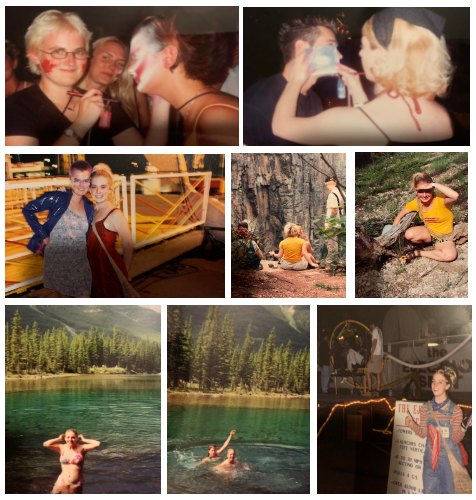
So, my story begins with me running away and joining the carnival –
While in my 4th year of studying Literature & Drama, I was approached by the owner of a Special Events/Entertainment company in Edmonton, looking for someone to join their team for the very “overbooked” Christmas/New Year’s Eve Season 1999-2000
(hmm…can’t remember why this year was so special, but there must have been a reason lol).
I spent the next 3 years traveling across North America, entertaining and painting. The stories one can accumulate during a time like this – the right people, the right places, the right ages and the right period in history. The stars aligned.
We traveled. Manitoba. Back to Edmonton. Klondyke Days (now K-Days). The Calgary Stampede. I painted the face of the man I would eventually marry and have a family with. I painted for the Canadian National Exhibition in Toronto, The Sheraton on Bourbon St. and Harry Connick Jr. during Mardi Gras 2000. I painted for the Edmonton Oilers and I painted for Molson Canadian.
And while I was working in Regina, Saskatchewan, on my 22nd birthday, the Regina Herald-Leader did a human interest piece on people who worked for the Carnival, and through which I made the front cover and became known by my second work name; “the Girl with Hair the Colour of Wheat.”
A lot can be said about a life lived in between. But my words, as with many things, always seem as if one is too many and a thousand is never enough.
Following the birth of my second child, my world changed. Things got darker and sleep eluded me. I was working/volunteering/parenting for days on end and could not stop. The carnival of my life was no longer me adding color and joy one face at a time and instead, was me alone, trapped on a ferris wheel I could not get off of. And it felt like it just kept speeding up.
And emotionally alone and unable, unsure and unwilling to ask for help with something I couldn’t understand or want to admit was becoming a larger issue than I was ready to accept. I spiraled into a postpartum, depression and mania that I medicated in the exact way that #trending and #winemoms online taught me to. Self medicating became a coping skill, and then a crutch, and now is a permanent and undeniable part of my story. No amount of time or recovery will change that. But I speak candidly and openly about what it was like, what happened and where I am now. And I am told my story has helped people. Moreso so than my days doing “storytime” in the library I loved so very much. Life has a funny way of writing endings.
I spend much time talking about those years these days in the hope that my story can be of use to someone else. Or if not useful, just helpful in establishing myself as someone who understands and has “walked the walk.”
For someone who had structured her life around teaching and storytelling, it never occurred to me that the story I would be telling would be my own or that the lessons derived from that would be the breadcrumbs that would help others find a way out.
Some of you might be now doing a mental call back to by Twitter Story “Friday Night Support Group”
So my night… at a support group that I’ve been a part of since my kids were 4 & 8. They know the schedule and when to not text outside of an emergency 🚨 Youngest (now a teen ) texts. I panic. #EXSM3989#livestreamstory
The truth is this life is pretty great today. The laughter far outweighs the tears and the sense of purpose and usefulness overshadows the emptiness that preceded it.
Recovery is definitely not for everyone, but not everybody needs it.
Educator, storyteller, entertainer, airbrush body painter, professional organizer & event planner — Regan has always been at the head of the class!
A graduate of UofA (‘99) with a B.Ed (Distinction) in Literature and Theatre, and an experienced teacher and librarian, Regan loves to merge Education & Entertainment.
Specializing in Airbrush Body Art, Regan has received accolades ranging from New Orleans party-goers, prairie preschoolers and community and corporate groups including Norwood Community Centre, Harry Connick Jr., Molson Canadian and the Edmonton Oilers alike.
In addition to holding a Bachelor of Education in English and Theatre, Regan has done graduate studies at the Universidad de Sonora, MX on Arts as a Means of Inclusive Education, is a registered member of the Canadian Association of Face and Body Artists, and is insured.
In 2018 I made a decision. My days in the classroom were behind me and I had immersed myself in recovery work – my own and working with others. But I knew I still had things to do. I have held unpaid positions at the local and provincial level and worked with professionals in the community doing what I always do – telling my story. But I knew I was ready to do more. I wanted to know the feeling of purpose and usefulness again. I felt joy and gratitude. And I want to live my life that way, and it was clear what I needed to do.
Blue Eyed Daisy Airbrush & Design emerged from the cocoon that had held it in stewardship so long.
Slowly, things took shape & came together
(although opening a business dependant on special events, community gatherings, parties & festivals provided to be a really terrible idea during a Pandemic)
Today I tell stories again, but this time abbreviated ones, using paint and air (with a dusting of sparkles).
Art (and therefore stories) can be shared in numerable combinations. While someone is in my chair, the story includes what we say to one another, the images I paint on their skin, their facial expression and physical gestures as they react – the eyes! oh my goodness, the eyes!!! – and the reaction of the people around them who see the image. Together it creates a symphony that lasts only minutes.
The smiles and squeals are (like the paint itself) only temporary, but the high I get from the 2-3 seconds it takes for them to register what they are seeing is beyond anything comparable. And though within a day it is washed off with soap and water, the indelible imprint someone carries with them for the rest of their life in the memory of a special event with friends or family (through thoughts and memories, shared family stories, photo albums and digital screensavers) brings me sublime happiness and indescribable humbleness.
Sometimes the whole story is conveyed in one picture because it relies on a shared cultural or social mythology or history.
Sometimes it takes two images, and the story is less a shared folk tale and more of an understood emotion. The universal fluency of body language and facial expressions. (In this case, the difference of the 2 seconds between me finishing the shark and her seeing herself in the mirror. Sheer Joy. That is understood in any language).
Sometimes it takes a couple pics.
And a cute caption to tie it all together never hurts!!
But that’s not where my Hero’s Journey was to end. And I do call it a “Hero’s Journey” – I do not think I am a hero, and recognize that what got me this far was the humility to listen to others, ask for help and be willing to surrender. But the central character is always the hero of their own story which concludes with a recognition that, somewhere in the journey, a lesson was leaned or a moral was unearthed that required the protagonist to experience the struggle to uncover. I did just that. And now I tell my story so others on the journey – or lost in the labyrinth – trust that there is a way out, and others before them have succeeded.
I’ve had a successful career that I absolutely loved. I started as a classroom teacher and was offered the amazing opportunity to become a Teacher-Librarian. My heart was full. I made a living teaching stories written by others and reading books written and illustrated by some of history’s best storytellers.
But the Universe had different plans and my life tilted on an axis no one believes will happen to them. To others, of course, but someone always two degrees removed.
Never your daughter. Sister. Wife. Mother. Never you.
Until you realize you are not special. You are human. And asking for help and being honest is ok too. If you are brave enough to admit you are scared.
And then there really are only two possible endings. The true “jumping off point.” I made my choice.
I will “live my life as it’s meant to be. I’ll find strength in pain. And I will change my ways I’ll know my name as it’s called again” ~Mumford & Sons
I’ve been known by my many names. Lots of times today it is just Regan M.
And the rest of the time I create a temporary world of color and sparkles and magic that becomes a part of someone else’s permanent memory. Their story. I only hope it is always a positive one.
And that girl with hair the colour of wheat? I’m not sure that she resides inside me anymore.
In fact I’m quite certain she does not. I believe she passed right through me on her way to becoming something greater than I ever could. I believe that with my whole heart because I see her every day writing her own story.
My second born – whose very arrival on Earth taught me everything I know about darkness and light. A true prism.
Writing stories for social media follows principles of traditional storytelling HOWEVER there are a few things to keep in mind specifically for social media.
1) Great Stories Elicit Emotion
While this is a good thing to keep in mind when writing any kind of story, this is especially important for social media. With an overload of content available at our fingertips a story need to grab the readers attention almost immediately. An effective way to do this is to elicit emotion in your reader. Some ways to do this are to use humor in your story or make your story relatable/universal.
2) Write the way you Talk
When writing for social media keep your story simple and with a clear structure. If you write the way you would tell a story you are almost writing your story as if you are having a conversation with your reader.
3) Shorter is Usually Better
With dwindling attention spans and the overload of content on social media, a shorter story is more likely to hold your readers attention span. Long stories may tend to get scrolled by or only half read.
4) Vary Your Content on Each Platform
When writing stories and content for social media do not post the exact same piece of content on each platform. Each social media platform serves a different purpose and reaches a different kind of reader so your content should reflect this on each platform.


























 EXSM 3989 - Digital Storytelling Class Blog