Categories
Uncategorized

Reach For The Sky

When Toy Story was released in 1995 I remember being enthralled from the initial scene. It was the first animated movie of its time and told an engaging and stimulating story, for children and adults alike. It even holds up as I can watch it today and still be fully entertained. I believe it contains multitudes of good storytelling elements that will endure for generations to come.

Child’s Play Plot

Toy Story does a phenomenal job of following Kenn Adam’s: The Story Spine. Now a longstanding strategy that Pixar Animation Studios employs for their productions, The Story Spine follows a simple structure for planning a story. The plot of Toy Story follows it as below:

Once upon a time there was a toy cowboy named Woody who is the favorite toy of little boy Andy. Every day, Andy played with Woody and Woody is the leader of all the other toys.

Andy playing with Woody, his favorite toy (image source).

Until one day Andy has a birthday party and receives the newest and coolest toy, Buzz Lightyear. Buzz quickly becomes Andy’s favorite toy and gets played with more than Woody. Even the other toys are more impressed with Buzz and his galactic technology.

Andy’s name on Buzz Lightyear’s boot (image source).

Because of all of that, Woody becomes jealous of Buzz and starts acting out against him, mainly verbally. But because of that, when Buzz accidentally falls out of a window, the other toys assume Woody pushed him on purpose and they work together to remove him. Because of that Woody and Buzz end up at the neighbour’s house. While that sounds non-threatening, the boy next door is Sid, who is abusive and torturous to toys. Because of that Woody and Buzz need to work together to escape. They are able to overcome their differences and formulate a plan. Until finally, they shoot themselves out of the window and Andy sees them on the ground. They are reunited with Andy and he is able to take them on his move to his new house. And ever since then, Woody and Buzz have been friends and happily share Andy.

Some of the toys in Andy’s collection (image source).

The story seems rather basic when it is broken down in such a way and there are definitely many other plot elements but at its core, this is the story being told. The themes of friendship, overcoming jealousy, and being accepting of others shine throughout and can teach some very valuable life lessons.

Revolutionary Talent

The bright and colourful nature of Toy Story was truly revolutionary. And it was not only revolutionary because of its computer animation but also because of the phenomenally engaging story it told. The voice acting was performed by a vast cast of talented actors and the main characters were played by A-list actors Tom Hanks and Tim Allen. This was probably the initial draw to the movie for a lot of adults.

Stars Tom Hanks and Tim Allen with their characters (image source).

From the opening montage, the music in Toy Story is heartwarming and catchy. The soundtrack, performed by Randy Newman, does such a good job of conveying emotion and making the viewer feel the same way that Woody does.

To Infinity and Beyond!

Toy Story is excellent at employing the four I’s of engaging storytelling. It is immersive and maintains the viewer’s interest and attention. You are drawn in to see what will happen to Woody and captivated by his emotional journey. The audience is involved when Andy is playing with his toys with such passion that you remember playing with your own toys that way. Children can relate in real time and adults can reflect back on their own childhoods. Toy Story provides instruction and has meaning with how it relays life lessons through Woody and Buzz. Woody overcomes his jealousy as told in the main plot but Buzz also has challenges to overcome. He starts the film not realizing he is a toy and believing he is an actual astronaut with flying abilities. When he discovers he is not, he needs to deal with accepting himself for what he is and it resonates with the audience’s own need to do so. Finally, the story really inspires viewers to maintain good friendships and value those around them. By the end of the movie, you feel happy and have a childlike view of life which makes it a great viewing success.

I think I will go watch it again right now!

The best of friends (image source).
Categories
Uncategorized

Up, with all the heart.

With the number of movies, I have viewed and books that I have read, this story stands out. It is their ability to compose a story that is universal, timeless, and leaves an impression on the heart. This storytelling masterpiece is Pixar’s Up. It was released in 2009, and continues to embrace audiences with its emotional journey, and memorable characters. It’s incredible visual storytelling weaves a wonderful unique story. Although it follows the principles of Pixar’s story spine, its relatable because its on base of the real-life story. The article “Even in death, ‘Up’ house owner Edith Macefield remains a mystery” written by Jayson Jenks tells a story that has some parallels to Up. There are similarities with both of the homes being threatened with construction of newer developments and the senior citizens owners are not wanting to sell their property. https://www.seattletimes.com/pacific-nw-magazine/searching-for-edith-macefield/  Although the Up movie has found its own heartfelt story and it takes you on a wild adventure. The parallels in both of these stories that I like is that money does not win.

Oh, that montage!

This warm-hearted journey has all the fundamentals of great storytelling, but the montage in the beginning creates an instant connection to the audience. This connection has us cheering for Carl, and wishing positive outcomes for him. We all share the experience the loneliness Carl is enduring within his life. The loss of Ellie his wife draws out a sense of empathy for Carl, we even forgive him for being a grumpy person. The audience recognizes that losing someone changes you. A bond has been established with Carl, the audience is engaged, earnestly anticipating to see what unfolds next for him. Up has found its audience and provides a meaningful connection that ensures this story to be memorable.  Even within the IMBd website, the favorable reviews speak of Up being one of the best Pixar movies ever made, some even say it’s masterpiece. https://www.imdb.com/title/tt1049413/reviews?ref_=ext_shr_lnk In reading the reviews there is a common theme of the write ups, it is an emotional story that captures our hearts. This story crosses my thoughts from time to time, serving as a reminder that embracing change can be an adventure.

Up and away!

With the threat of being put into a senior’s facility and losing his home. Carl decides to have an adventure by attaching thousands of balloons to his home in hopes of fulfilling his promise to Ellie by reaching Paradise Falls and escaping the insistent developer. Although this idea may seem impossible, there was a group that tested this idea with surprising results. This experiment only adds more magic to this story and the excitement is evident on all the volunteers involved. ABC news reports on the Disney’s “Up” house created in real life and flown for National Geographic show.  This is a must watch report that will stir up that magical feeling of wonder. https://youtu.be/rV6rNqin4P8?si=nOenIIP9d_o6GTmx

What now?

Even with the home taking flight, there are still many conflicts and challenges along the way. Such as Russell, the eager Wilderness Explorer who accidentally tags along on this adventure, adding another likable character to the mix. Russell and Carl find commonalities and build an unlikely friendship during this wild ride to Paradise Falls. Indeed, a villain is present in this story. Charles Muntz, is attempting to take the rare bird who is traveling with the duo. Charles and his speaking dog army are trying to steal the bird, no matter the cost. Doug, the gentle canine escapes Charle’s army, and joins Russell and Carl befriending them on the journey. This conflict helps these lovable characters in forging bond. They must collaborate to defeat Charles Muntz, and navigate the dangerous environment.

It’s a win!

After overcoming all of the obstacles, this adventure changes Carl. Who becomes a sympathetic mentor and friend to Russell, and far less grumpy. It reminds us of how to be courageous, be adaptable and the power of love. The end scenes will beautifully tie up all loose ends, leaving the audience with a profound sense of closure and fulfillment.

This story.

The manner in which this story is crafted along with the visuals, took my heart and I was ready to go the distance with Carl. The relatability of this movie shocked me at the beginning of how deep it went, especially for a Pixar picture. The sense of loss and loneliness is something I truly understand. This story reminds me that being uncomfortable will sometimes delivers the best growth moments in life.

Categories
Uncategorized

Storytelling is an Art

In the Fall of 2022 I had the opportunity to work as a translator on a bus tour for German tourists coming to Canada. Guests would arrive in Calgary and take the scenic route through the Canadian Rockies with stops in Banff, Golden and Abbotsford before boarding a cruise ship in Vancouver. Cheryl, the tour guide had over 20 years of experience and is a fountain of knowledge when it comes to history, facts, and pioneer stories. While we were driving through Jasper National Park, she would explain the Flora and Fauna of the area and point out specific trees or plants. And she telling us the story of the “Indian Paintbrush”, a flower, we could see growing along the highway. https://en.wikipedia.org/wiki/Castilleja

The Legend of the Indian Paintbrush

Quickly summarized in the version Cheryl told us, the Indian Paintbrush is a story of two indigenous people from opposing tribes falling in love. Of course, it’s the tribal chief’s daughter and another tribal chief’s son. The one tribe captured the injured man and the daughter helped nurse him back to health. Only to find out they intended to torture him later. She helped him escape and went with him, fearing punishment for this deed. She grew homesick and while trying to return to her camp, knew she wasn’t ever allowed to return. So, in Cheryl’s version the tribal son knew how homesick she was, but unable to return because of helping him, he drew a picture of her camp on bark, with a stick and her blood, from a gash on her leg. Once he finished, he threw the stick stained with her blood away and where the stick landed, “a little plant grew with a bush-like end, dyed with the blood of this girl, which became the first Indian Paintbrush.” https://owlcation.com/stem/The-Indian-Paintbrush And gifted her the painting as a thank you for choosing him over her camp.

What went wrong?

While Cheryl usually gets an “oohh” as a response when finishing the story, on this bus tour, there was no reaction. And I take the full blame. Because I didn’t know how the story ended or what to focus on while translating then pure facts, it took the emotional connection away.

It made me realize, storytelling is an art. Those extra sentences or descriptive vocabulary are important to convey a feeling, give a connection or help envision the story. Passangers on this bust tour won’t remember everything we told them. They will remember how we made them feel. If they felt relaxed and happy or stressed and angry. They won’t remember the height above sea level– which Germans seem to ask all the time – but the general feelings we shared. Did we laugh together and enjoy ourselves? We remember the emotions. That’s what another tour director, Mitch, owner of Trip School told us at his “WOW” Seminar I was able to attend after completing the tour. https://thetripschool.com/

While the example of the story I chose is a failed one, it was one I will remember. And it was a valuable lesson to slow down and take time. A good story takes time and shouldn’t be rushed. It’s good when you know where you want to end up with the story. What’s the goal? And then make sure to have all those elements within the story, to end up where you want to.

Categories
Uncategorized

Beyond the Monolith: Deconstructing Storytelling in 2001: A Space Odyssey

Act I: Innovation and Inspiration

In the vast expanse of storytelling, certain narratives transcend time, leaving an indelible mark on the collective consciousness. One such masterpiece that continues to captivate my imagination is Stanley Kubrick’s cinematic marvel, 2001: A Space Odyssey. Released in 1968, this sci-fi epic takes audiences on an interstellar odyssey, blending breathtaking visuals, a haunting musical score, and a narrative that challenges the traditional boundaries of storytelling.

In the annals of storytelling, 2001: A Space Odyssey stands as a beacon of innovation and inspiration, challenging conventional norms and inviting audiences on a cerebral expedition. The fusion of visionary visuals, narrative ambiguity, and a transcendent musical score creates a storytelling tapestry that continues to inspire and perplex.

Barbie (2023, dir. Greta Gerwig) nods at the iconic opening scene from 2001: A Space Odyssey (1968, dir. Stanley Kubrick). (Source: Barbie film references, side by side – Film and Furniture)

Act II: The Subversion of the Story Spine

2001: A Space Odyssey is a testament to the power of visual storytelling. Kubrick’s meticulous attention to detail and groundbreaking special effects transport the viewer into a world where the line between reality and the surreal is blurred. From the awe-inspiring monolith to the iconic HAL 9000, every frame is a visual symphony that demands attention and contemplation.

Worlds collide during the climax of Kubrick’s 2001: A Space Odyssey (Source)

The film’s slow pacing, deliberate shots, and minimal dialogue defy conventional storytelling norms, immersing the audience in a sensory experience unlike any other. Kubrick’s mastery lies in his ability to communicate complex ideas without relying on exposition, inviting viewers to interpret the narrative through their own lens.

As discussed in “Back to the Story Spine,” a compelling story often follows a narrative structure that engages the audience from beginning to end. Kubrick, however, subverts these conventions. Instead of adhering to a traditional story spine, the film embraces ambiguity, weaving a narrative that beckons viewers into a realm of cosmic mystery. Kubrick’s departure from conventional storytelling principles is a testament to his avant-garde approach. The narrative unfolds like an enigmatic tapestry, challenging viewers to navigate the labyrinthine corridors of meaning and interpretation.

Cyriaque Lamar’s compilation of “The 22 Rules of Storytelling, According to Pixar,” echoes the story spine’s importance to compelling narratives: “Rule #4, “Once upon a time there was ___. Every day, ___. One day ___. Because of that, ___. Because of that, ___. Until finally ___,” serves as a foundation for many storytelling endeavors. Kubrick toys with this linear progression. The film is a departure from the conventional “once upon a time” narrative, opting for a non-linear odyssey that challenges literally and figuratively the fabric of time and space. This departure, rather than alienating the audience, adds to the film’s mystique, inviting viewers to participate actively in the construction of meaning. This is a great example of how traditional storytelling elements can be used in their subversion to create new narratives and innovative tropes.

Act III: Setting the Scene for Visual Narratives

Alison MacAdam’s NPR article, “Beyond the 5Ws: What Should You Ask Before Starting a Story?” encourages storytellers to delve deeper into the narrative process. While the 5Ws (who, what, when, where, why) provide a foundation, MacAdam prompts storytellers to consider the emotional and ethical dimensions of their narratives.

‘Open the pod bay door, HAL’ — here’s how AI became a movie villain

https://www.wusf.org/2023-07-31/open-the-pod-bay-door-hal-heres-how-ai-became-a-movie-villain

One of the key aspects that make 2001: A Space Odyssey unforgettable is its deliberate ambiguity. The narrative refuses to spoon-feed the audience, leaving ample room for interpretation and contemplation. This narrative openness aligns with the principles discussed in this week’s module, while emphasizing the importance of engaging the audience’s intellect.

The mysterious monolith, the enigmatic Star Child, and the existential journey of astronaut Dave Bowman invite viewers to ponder the meaning of human existence and evolution. This ambiguity sparks intellectual curiosity, prompting audiences to delve into philosophical discussions long after the credits roll.

In the realm of digital literature, the importance of visuals in storytelling is highlighted in “Reading Digital Fiction: History and Context.” Kubrick’s meticulous attention to visual detail in 2001: A Space Odyssey aligns with the idea that storytelling extends beyond words. The iconic monolith, the stark beauty of space, and the transformative Star Gate sequence are visual elements that etch themselves into the audience’s memory.

Epilogue: Unleashing Unbounded Narratives Across Time and Space

2001: A Space Odyssey stands as a testament to the limitless possibilities of storytelling. Kubrick’s departure from traditional narrative structures, incorporation of visual storytelling principles, and engagement with existential themes create a cinematic experience that transcends the boundaries of conventional storytelling, time and space.

Through the lens of 2001: A Space Odyssey, we are reminded that storytelling is not confined to the boundaries of words on a page but extends to the visual, auditory, and philosophical realms, beckoning us to explore the cosmos of narrative possibilities. Its cultural resonance and enduring source of artistic inspiration serve as the hallmarks of good storytelling: a memorable work.

Categories
Uncategorized

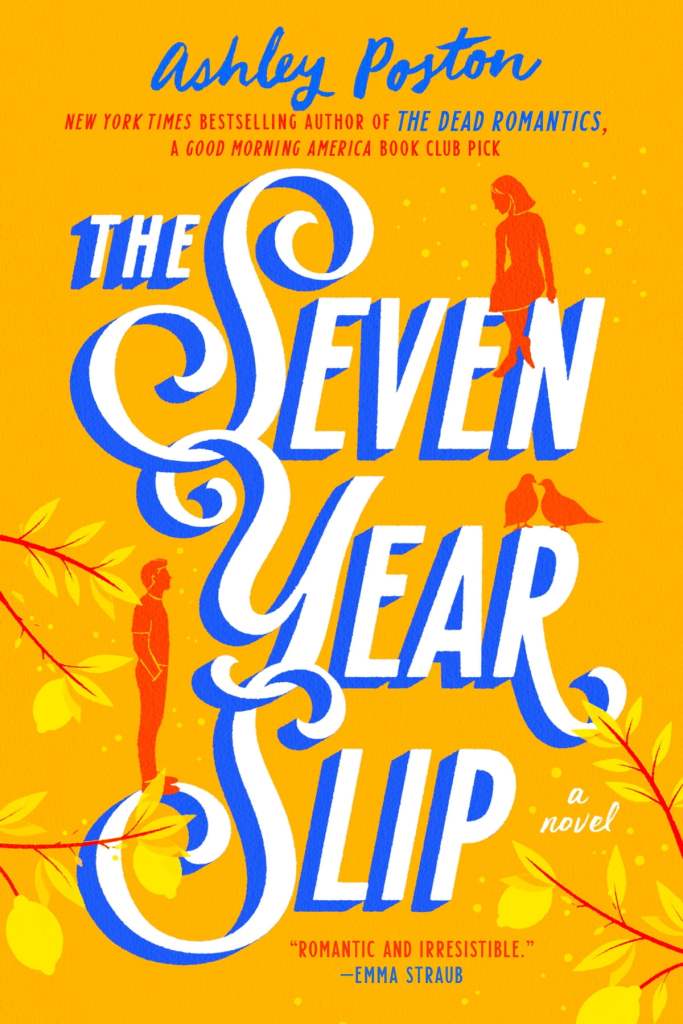
The Seven Year Slip

“My aunt used to say, if you don’t fit in, fool everyone until you do.

She also said to keep your passport renewed, to pair red wines with meat and whites with everything else, to find work that is fulfilling to your heart as well as your head, to never forget to fall in love whenever you can find it because love is nothing if not a matter of timing, and to chase the moon. Always, always chase the moon.”

Poston, A. (2023). The Seven Year slip. Berkley Romance.

Following her aunt’s death, Clementine inherits her magic apartment, which grants her the ability to travel back in time and enter either the past or the future by seven years. Since Clementine’s aunt only left her with memories and the two rules regarding the apartment, living in her aunt’s past home serves as a constant reminder of her loss:

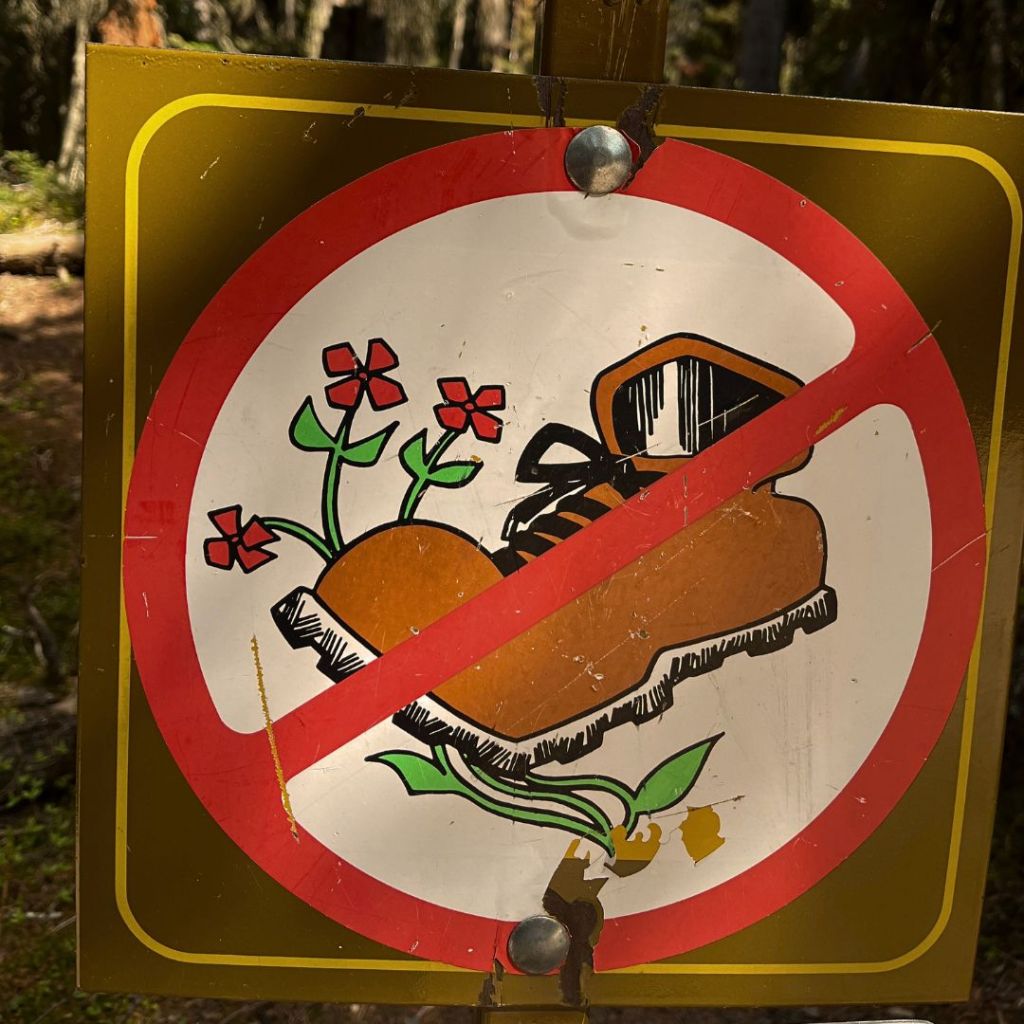
Rule One: Always take your shoes off by the door and..
Two: Never fall in love.

Isn’t that simple? That is, until Clementine comes home one day and realizes she has been transported back seven years, discovering a complete stranger named Iwan standing in her aunt’s kitchen.

“I loved how a book, a story, a set of words in a sentence organized in the exact right order, made you miss places you’ve never visited, and people you’ve never met.”

Poston, A. (2023). The Seven Year slip. Berkley Romance.

Consider me a bookworm, but out of the 113 books I have read this year, ‘The Seven Year Slip‘ may hold the title of my favourite story.

This book was utterly enchanting. I loved every element of it: the characters, the plot, the messages, the storyline- all of it was exceptionally well-crafted. I felt as though I could pick apart specific elements of the book and still visualize how the story’s spine developed into this whimsical journey. Ashley Poston truly struck the mark and perfectly embodied what creating a good story is all about.

That being said…

What exactly made me fall completely in love with this book?

1. Relatability

Relatability is one of the first things I take note of when I open up a novel. A book’s tendency of relatability allows readers to gain a deeper connection towards the plot, theme and characters of the story- allowing the audience to feel a strong connection and exhibit stronger emotions throughout.


The main character of ‘The Seven Year Slip,’ Clementine West, did just that. Honestly, I was surprised that I could relate to a character as much as I did while I was reading this book. Reading about Clementine’s journey made me feel as though I was dreaming about an adventure that I wish I had the courage to take. This story beautifully and deeply tackled themes of loss and grief; I felt as though I was sharing Clementine’s emotions as she told stories about her aunt, making me- the reader- feel as though I was an old friend of hers.

2. Visualizing Words On Paper

This story not only captivated me on an emotional level, but it also gave me the feeling that I was watching a movie play inside my mind. I believe one of the more important principles of creating a good story is the ability to take words on paper and mentally create pictures in your mind, feeling as though you’re living alongside the characters. This book perfectly embodied this principle through the descriptive and persuasive writing of Ashley Poston.

3. The Why Was The Heart Of The Story

Corresponding to “The 22 rules of storytelling, according to Pixar“, one of the rules that was mentioned includes the idea that there should be a why in a story that revolves around a burning belief. It also underlined how crucial a theme is and how we don’t fully understand it until the very end of a story.

In ‘The Seven Year Slip,’ the why was constantly changing. For me, this book captures the honesty of heart break and loss, but highlights the acceptance of moving on even when we don’t think we should. For half of the book- mostly focusing on Clementine’s aunt- it illustrated the idea that because our loved ones are always present in the little things we do every day, we never truly say goodbye to them. While on the contrary- relating to the romance aspect of the story- it emphasized that we can fall in love with a person for who they were in the past, accept that people change, and that we can continue to love them every day as they become a little more themselves.

“Because the things that mattered the most never really left. The love stays. The love always stays, and so do we.”

Poston, A. (2023). The Seven Year slip. Berkley Romance.
This is now my new favourite book

Comforting, whimsical, touching and sweet. ‘The Seven Year Slip’ is not just some silly romcom, it’s a story about finding yourself and pursuing happiness in a world full of change, loss and grief. This book has touched me like no other story has before. Not only was it emotionally relatable, but it also made it possible for me to visualize this story as though I was stood in Clementine’s apartment, seeing everything from a firsthand perspective. It had deep and emotional themes that would inspire anyone who comes across this story, including me. Now, like Clementine, I’ll always be chasing the moon.

Categories
Uncategorized

On Wednesdays we wear Pink

On Wednesdays, We Wear Pink” is one of the many quotable one-liners from the 2004 movie “Mean Girls.” At first glance, you may be skeptical about the quality of this movie, but it is surprisingly good! (Or unsurprisingly if you’re a Tina Fey fan like myself.)

If you haven’t seen it, I will use Kenn Adams’s Story Spine to provide a brief summary. First of all, we start off with Cady Heron, a previously homeschooled teenager who is now about to attend a public high school. She quickly encounters the craziness that is the high school experience, including all of the usual cliques. This is a great setup for the story, as it is essentially universal to most North Americans, as most have gone through or are going through high school and can relate to all of the societal pressures to fit in.

Cady’s newfound friends devise a plan to take revenge on the “Mean Girls” of the school, which includes ways for Cady to get “in” with their group. However, the more that Cady pretends to be a mean girl, the more she ends up actually acting like one.

We reach “The Climax” of the story when everything blows up in Cady’s face, and the “Burn Book” she and the other Mean Girls made is distributed throughout the school. All the girls see a bunch of mean things that others say about them. This prompts a session with the school administration where Cady starts to realize how toxic her actions were and how many people she was hurting along the way.

The story ends up with Cady patching things up with the people she wronged, getting back on good terms and staying true to what she really cares about. She’s not just smoothing things over; she’s also figuring out what really matters to her, diving into her genuine values and interests.

Drawing from Emma Coats’s 22 Rules of Storytelling, you admire Cady for her faults, learning her lesson, and then trying to do better—not about how she became popular or that she won the Mathletes competition. Also, the story very clearly knows what it is not—e.g., a gripping drama or an intense “film noir.”

The way the story was communicated through movie form, with witty and easy-to-remember one-liners, as well as recognizable actresses, definitely helped to enhance the story. I don’t believe that if this exact story were told in another way, such as in print form or as an audiobook, it would have been as iconic and reached as many people as it has.

It’s silly, it’s fun, and perhaps most importantly, it’s extremely relatable for at least the majority of millennial women, as we have been through high school and know the stereotypical cliques and how badly we want to fit in. And while the movie holds a mirror up to society and offers many lessons, it notably has only one story to tell, with the moral being that you should always be true to yourself.

Categories
Uncategorized

A Memorable Experience at Folk Festival 2023

As summer graces Edmonton with its fleeting warmth, the absence of vast lakes, a contrast to regions like the Great Lake areas or Vancouver, seems to be a driving force behind a unique morning ritual during the Folk Festival. 

Each day, a dedicated crowd gathers at the crack of dawn, queuing up as early as 6 am for the Tarp Lottery. As the sun’s gentle rays kiss the grass, some festivalgoers even don swimsuit-like attire, basking in the music, all while gazing upon the captivating skyline of Edmonton.

Having attended numerous music festivals across China, I find myself inevitably drawing comparisons between those experiences and the one before me:

Firstly, a notable distinction is the festival’s liberal policy towards beverages. A harmonious atmosphere envelops the grounds, as an endless stream of beer flows, accompanied by patient and courteous crowds. This contrastingly stands apart from most Chinese music festivals, where the consumption of beer is often prohibited. The presence of stringent security measures in some Chinese festivals serves as a clear demarcation from the Folk Festival’s tranquil setting.

Secondly, an enchanting scene unfolds across Gallagher Park’s slope, adorned with an intricate patchwork of tarps that resemble a sprawling quilt. Undoubtedly, the festival boasts a family-centric ambiance. Yet, a catch lies in the elaborate dance for space—one must rise at dawn to secure a spot beneath these colorful canopies. This practice, while promoting a sense of belonging, challenges the notion of unfettered access, requiring arduous participation in the morning lottery.

Lastly, a predominant portion of the festival’s lineup showcases homegrown talent hailing from Canada and the United States. While these performances resonate deeply, one can’t help but harbor a desire for an enriched global tapestry of artists in the years to come.

In summation, my day at the Folk Festival was punctuated by captivating performances that delighted the senses and kindled an appreciation for the artists’ craft. Despite the enchantment, a lingering question remains: Will I return next year? I will say probably, because I would love to support a local brand and let the legacy continues and grows.

Categories
Uncategorized

The BTS of Planning Large Events

Become a Pro at Planning!

Event planning can seem daunting. So many little details. So much on the line. Keep reading for a simple guide at planning events!

To begin, map out an anticipated timeline. You might not follow this timeline to a T, but this will make sure you have covered all the major components. I highly recommend a digital project manager, to help you keep track and stay on track.

Your goal should be to make sure the goal of the event is fulfilled. If you are hosting a learning event, make sure you choose the right speaker; if you are celebrating a newly married couple, make sure the the couple is at the centre of attention.

Different from the goal, is the theme. There should be a unifying theme, which is a fantastic way to make sure your guests are having a good time, and you’ll get bonus points if your theme is reflected in various aspects of the event, such as the decor and venue.

But the most important part of event planning: sticking to your budget. Well, first your need to create a budget. Check out this handy link for some tips on creating and sticking to an event budget.

The Venue

Once the goal, theme, and budget have been determined, it’s time to choose a venue and date. It’s a good idea to have a few dätes in mind and scope out 2-4 venues. You’ll want to make sure that your venue fits into your budget. If you want to host at a hotel, keep in mind that they tend to book up fast. This may seem like a simple step, but it’s more likely than not that you’ll be going back and forth with the venue staff for quite some time before you settle on a venue.

The Itinerary

Chances are, you’ve been thinking of your itinerary from the beginning. Do you want entertainment? When will you serve food?

What will the guests be doing? It’s important to have an itinerary in mind, but don’t be surprised if this changes! If you are considering a keynote speaker or special entertainment, you’ll likely need to ask a few speakers/entertainers to find one that is available. At the end of the day, you don’t want your guests to be bored!

Once the itinerary is solidified, you’ll likely provide it to your guests.

Here are some cool templates for your itinerary!

The Guest List

The dreadful step. Or maybe you enjoy creating a guest list. Or maybe your event is open to the public. But if your event is invite-only, it is imperative that you create a guest list asap!

For weddings, here’s some valuable advice from Martha Stewart.

As soon as your venue, date, and guest list are set, send cut your invites! You’ll want to give your guests as much time to make sure they’re able to make the necessary arrangements to attend your event (such as taking time off for work, if needed). If guests need to fly in, I recommend providing some hotel recommendations and things to do.

While this adds another step, your guests will certainly appreciate it!

Catering

In theory, you’ll also be scoping out catering options if the venue does not have restrictions) from the start, but this can be tricky given that guests will likely have certain dietary restrictions. You could provide a couple standard options, such a vegetarian and meat, just adjust the few meals that have special requirements.

And then…

Now you’ve got the basics covered. It’s a waiting game, but don’t be surprised if you find yourself with more new tasks as the big day gets closer – that’s just how event planning goes. Your project manager will be a lifesaver, so be sure to use it.

Take a deep breath, regroup, know that you got this, and keep going!

Categories
Uncategorized

Jeju Island: A quick guide for expat explorers

FILEPHOTO: Hills Views & Valleys

When I first arrived in South Korea to work as an ESL teacher, I received many recommendations on how to fill my free time and where to go. Many expats around me highly recommended checking out Jeju-do, or Jeju Island.

Also known as the “Island of the Gods,” Jeju is Korea’s largest island and hugely popular with tourists, both local and foreign.

Although this is just a snapshot of what Jeju is like and has to offer, keep reading for some quick travel tips to help you decide whether or not to put Jeju on your bucket list!

FILEPHOTO: Korea Travel Post

Best time to visit

Jeju is great any time of the year, really. As with many touristy destinations, summer is always considered peak season. The weather is great and kids are on school vacation. My personal favourite season in Jeju is early spring, when the weather is still mild and travel prices are lower.

Getting around

Although there are bus tours you can join and public transportation available, renting a car is very affordable and easy to do on the island. If you decide to do this, remember to get your international driver’s license. I recommend this method of travel because the island is so big and attractions can be far apart from each other, as well as further away from the cities. If you aren’t going to include a GPS navigation system as part of your car rental, be sure to have the Naver Maps app available on your phone. Naver Maps is the Korean version of Google Maps and way more accurate. Don’t worry though, they have an English-language version that you can download.

Places to stay

Like any popular destination, there are plenty of hotels to choose from for your stay. However, if you’d prefer a more affordable and authentic experience with a local feel, I recommend hostels. Before you start turning your nose up at my option, hear me out. If you’re an expat, you’re not getting paid the big bucks in Korea. Hostels in Korea are also cleaner and more comfortable than your stereotypical image of a hostel in say, Europe. In fact, all my hostel experiences in Korea to date have always made me feel at home, giving me great sleep at night and tasty breakfasts each morning before I head out exploring for the day. Definitely give hostels a chance if you’re travelling around Korea!

What to eat

Surrounded by great weather and nature, farming and fishing are very common lifestyles, depending on the villages that you visit. As a result, you can get some pretty tasty and fresh products and dishes during your stay.

FILEPHOTO: My Travel Buzzg
  • Abalone: Fresh abalone is top notch here. Island female divers, also known as haenyeo, dive 10 to 20 metres under the sea, without the aid of oxygen masks, to harvest a variety of shellfish. Their collection consists of abalone, octopus, conch, etc. Pretty impressive, right? Abalone is served in a bunch of ways, including abalone porridge, grilled abalone, and abalone sashimi.
FILEPHOTO: Our Korean Story WordPress
  • Black pork: Black pigs are only available on the island, as evident by the many organic pig farms that dot the landscape. Black pork is best served via barbeque on hot charcoal, accompanied by a special dipping sauce. If you’re a carnivore, this is the dish for you.
  • Grilled mackerel: In addition to harvesting shellfish from the sea, fishing is popular pastime and way of life here. Mackerel is in huge abundance and when grilled and served with side dishes and rice, it’s heaven.
  • Oranges: Hallabong is a Korean tangerine and native to Jeju Island. Easily recognizable from its top protruding stem, this fruit is super juicy and sweet. Aside from eating it fresh, its flavour is frequently infused into chocolates, tea, and desserts around the island.

What to see and do

Being an island definitely comes with its scenic perks. Whether you’re a nature lover or museum explorer, there’s something for everyone here. Here are just a few of my favourite examples!

Nature lovers

FILEPHOTO: Expatolife
  • Mount Halla, or Halla-san, is Jeju’s most famous landmark and South Korea’s highest peak. There are a multitude of trails to choose from, ranging from quick jaunts to all-day treks. You can walk around the base of the mountain or make your way to the top.
FILEPHOTO: Jeju Olle Trail Guide
  • Coastal trails, also known as Olle trails, stretch alongside the island’s coast if you’re looking for more views of the sea, rather than forest.
  • Seongsan Ilchubong: Also known as “Sunrise Peak,” this volcano is a UNESCO World Natural Heritage site and a popular climb to view the sunrise. The aforementioned haenyeo (female divers) can also be spotted performing here throughout the day.
FILEPHOTO: Visit Jeju
  • Manjanggul Lava-tube: Another UNESCO World Natural Heritage site, these lava tubes are accessible via entry to a cave. Once inside, you can check out stalactites, stalagmites, and other cave-worthy formations.

Museum explorers

FILEPHOTO: Visit Korea
  • O’Sulloc Tea Museum: If green tea is your bag, then you need to check this out. It’s a pretty Instagrammable spot where visitors can walk amongst the actual plantations of green tea. Once you’ve frolicked to the max, head inside the museum learn more about their production line, as well as shop their souvenir shop and sample desserts from their teahouse.
FILEPHOTO: Korea Track
  • Jeju 4.3 Peace Park: On a more somber note, visit this memorial park and museum to read about the Jeju uprising, which occurred from April 1948 to May 1949 and was noted for its extreme violence, leading to the death of 14,000 to 30,000 people killed.  

I hope this blog post has given you a good snapshot of what Jeju Island has to offer. Check out my other blog posts for other places I’ve visited in South Korea!

Now, get packing!


Check out my other travel posts on Twitter (@JSummer8824) and Instagram (jsummer88).

Categories
Uncategorized

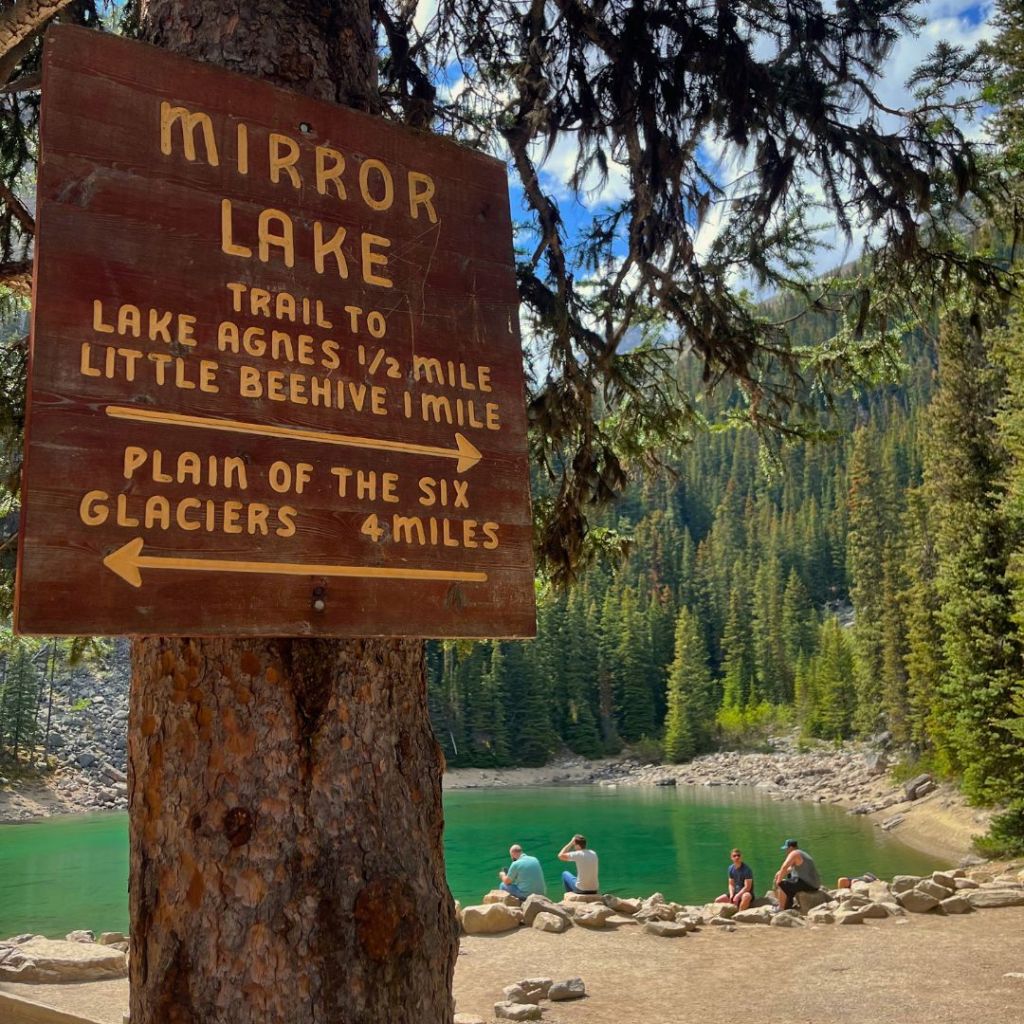
Plain of Six Glaciers – Big Beehive – Lake Agnes

  • Distance: 18.2km
  • Elevation gain: 1,017m
  • Time it took me: 5 hours (with stops and a lunch break!) 
  • Difficulty: Moderate (AllTrails rated Challenging)
  • Best time to go: The tea houses are only open from June-October, but this is also peak season for tourists, so definitely make it an early morning as the parking lots fill up by 7am!
    • Otherwise, they have shuttles available (which you can pre-book as well).  I did this hike on May 30th, which, by the way, is still a part of avalanche season, if you are thinking of heading into the Plain of Six Glaciers, which is notorious for its avalanches.  

AllTrails Link: https://www.alltrails.com/explore/trail/canada/alberta/plain-of-six-glaciers-big-beehive-lake-agnes-tea-house

Land Acknowledgement

These lands and waters are Treaty 7 territory and is the traditional, ancestral, and unceded home to the Ktunaxa ɁamakɁis, Stoney Nakoda, Blackfoot, Siksika, Tsuut’ina, and Métis peoples.  I’d like to thank them for sharing their land with us so we may have the opportunity to experience and appreciate the beautiful glacial lakes, pine forests, glacier-topped mountains, diverse forms of wildlife, and culture-rich lands of Banff National Park. 


*I had trouble finding a specific land acknowledgement for the Lake Louise area and so I created one using https://native-land.ca/.  If I have missed any treaty lands and/or nations, please let me know in the comments so that I may rectify my mistake in this post 🙂

Hiking the Plains of Six Glaciers – Big Beehive – Lake Agnes Teahouse

If you’ve ever been to Banff, you’ve likely heard of the infamous Lake Louise.  It boasts millions of tourists each year and really is the star of many Canadian postcards.  For some, visiting the lake and village below it is enough to suffice their travel goals for the national park.  Maybe they’ll even rent a canoe for an hour or two to get those perfect photos for the gram.  But the real gems of Lake Louise lie hidden among the glaciers and forests surrounding the lake, for those happy to hike a bit, that is.  

I’ve visited Lake Louise on many occasions with my international friends from summer camp.  Typically, we’ve done the Lake Agnes Teahouse hike, which is gorgeous on its own. But did you know there was another tea hut? Honestly, yeah, there are signs for it… and maps… and I’m sure other blogs such as this one.  I was just never observant enough to look through them and take notice. 

When I found I had a few days off on my own, I was adamant on going on my first ever solo hike.  My criteria being that it had to be a SUPER busy trail, as I’m terrified of bears (don’t worry, I still carried bear spray and everything).  So in looking up Lake Louise, one of the busiest places in Banff that I knew of, I found out about the Plain of Six Glaciers Teahouse.  I was curious.  And figured it was time that I challenged myself a bit.  

Here’s some tips for hiking the Plain of Six Glaciers – Big Beehive – Lake Agnes Teahouse trail:

  • Get to the Lake Louise parking lot EARLY: Even though I went in the ‘off season’ (May 31st), the parking lots were nearly full by 9am.  I also went on a weekday (a Wednesday) and ended up sleeping in a little later than I had planned.  Regardless, this is a tourist hotspot, so if you don’t plan on getting up early to be at the lake lots by 6am, then book a shuttle, or maybe try out a less famous hike…
  • Bring the Ten Essentials (and bear safety equipment!): I had seen families and couples hiking with only one water bottle each and no bear spray.  While I didn’t have to use my can personally, I had overheard some Parks people dealing with a bear kill at the first teahouse (Plains of Six Glaciers) -I’m not sure how recent the bones were, but still a pretty decent reminder that bears like tourist traps too.  I also learned about a week after my hike that the Plains Teahouse had only recently reopened due to being the home to a Grizzly family with cubs.  Disregarding the anecdotes, bear spray and extra water are always a must.
  • When AllTrails fails, GoogleMaps apparently has hiking trails as well?: The Lake Louise to Lake Agnes Teahouse trail is fairly straightforward, but the junction trail from the Plains of Six Glaciers to Lake Agnes? A little confusing… Especially with snow covering a good component of the trail.  When my AllTrails app malfunctioned, I figured I’d go out on a limb and check GoogleMaps, which, to my surprise, also had the walking path marked out neatly? It helped me get back on track after the snow-covered crossings, but I’ll definitely be looking into more reliable navigational features in the future, as I’m sure I won’t always be able to rely on my phone and having cell service in the forest. 
  • Don’t be afraid to be friendly:  Lake Louise, and Banff in general, hosts travelers from all over the world on a daily basis.  Don’t be afraid to step out of your comfort zone and say hi to some of them! I had asked a sweet looking older couple if they could take my photo on the hike and I noticed they had a French Canadian accent -turns out, we lived about thirty minutes apart back in Ontario/Quebec!  Hikers in general tend to be a friendly crowd and you’ll never know who you’ll get to meet until you try talking to them. 
  • Last but not least, take a cold plunge: there is absolutely nothing better than dipping in a glacial lake after a hike on a hot day! I’ve made it a tradition to either dunk my head or dive into any body of water at the peak or end of the trip, and I don’t think I’ll ever be able to resist the icy blue waters at Lake Louise.  When I dunked myself at the Lake Agnes Teahouse, there was a chorus of cheers from passing hikers, which hyped me up aptly for my descent!

At the end of the day, I’d have changed the rating of this hike to Moderately Challenging as opposed to its current Difficult rating, but overall, this hike was worth every kilometre, and in the future, I’d definitely recommend doing an earlier hike when the teahouses are open!

Design a site like this with WordPress.com
Get started