Categories
Uncategorized

My Grown-Up Teddy Bear Picnic Party

I turned 35 last year – and I may or may not still have a teddy bear or two proudly displayed in my bedroom. There’s something about the stuffed creatures that brings out nostalgia and a sense of serene comfort. I remember reading an article in April of 2020, during the first Covid-19 lockdown in Ontario, Canada, that discussed the usage of weighted teddy bears during the Coronavirus to help ease anxiety, grief and loneliness. As I wallowed in the new strange world of not being able to see my friends, I wondered if things would be back to “normal” in time for my 35th August birthday so I could celebrate with my loved ones (little did I know that the virus would still be wreaking havoc as I approach my 36th birthday. Sigh).

Thinking about the article, I joked to my friend via text: “If we’re still in lockdown in August, I’m having a teddy bear party and naming all the bears after all of my friends so it’ll be like you’re all basically there.” When the lockdown ended at the end of June and small backyard gatherings were allowed, I decided to make good on my joke. While I did invite a couple of close friends to celebrate the day, teddy bears ran the show as I used Jimmy Kennedy’s famous book, The Teddy Bears’ Picnic and a curated collection of famous teddies from literature and pop culture to base my party theme on. Read on for all of the party deets!

Décor
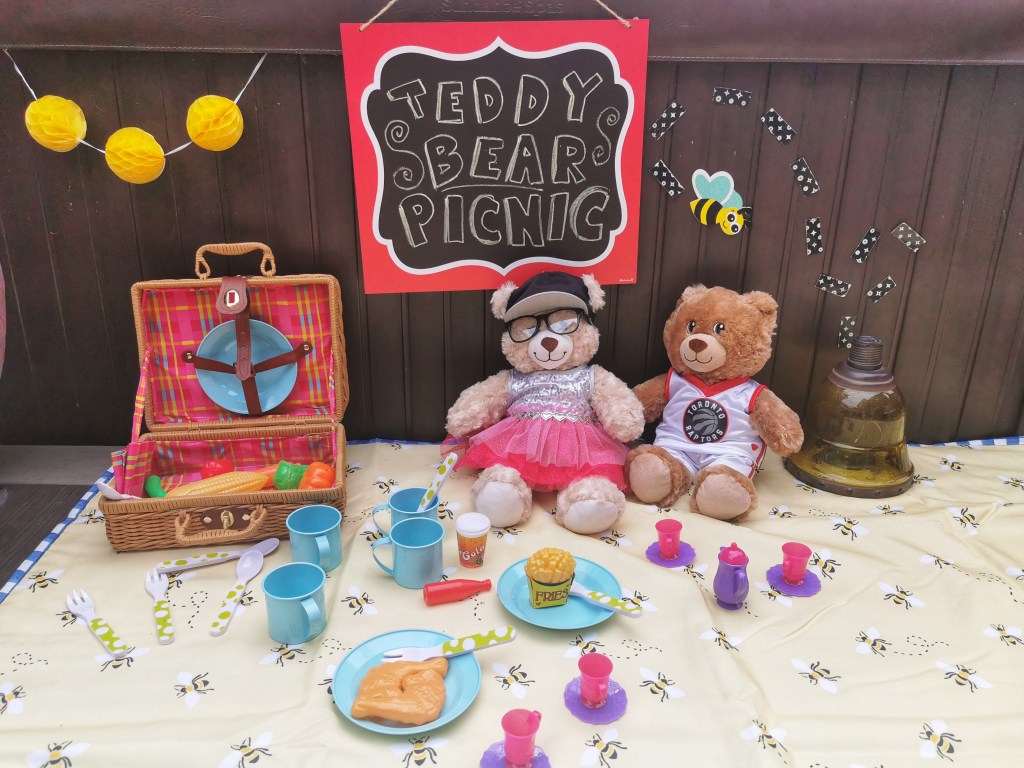
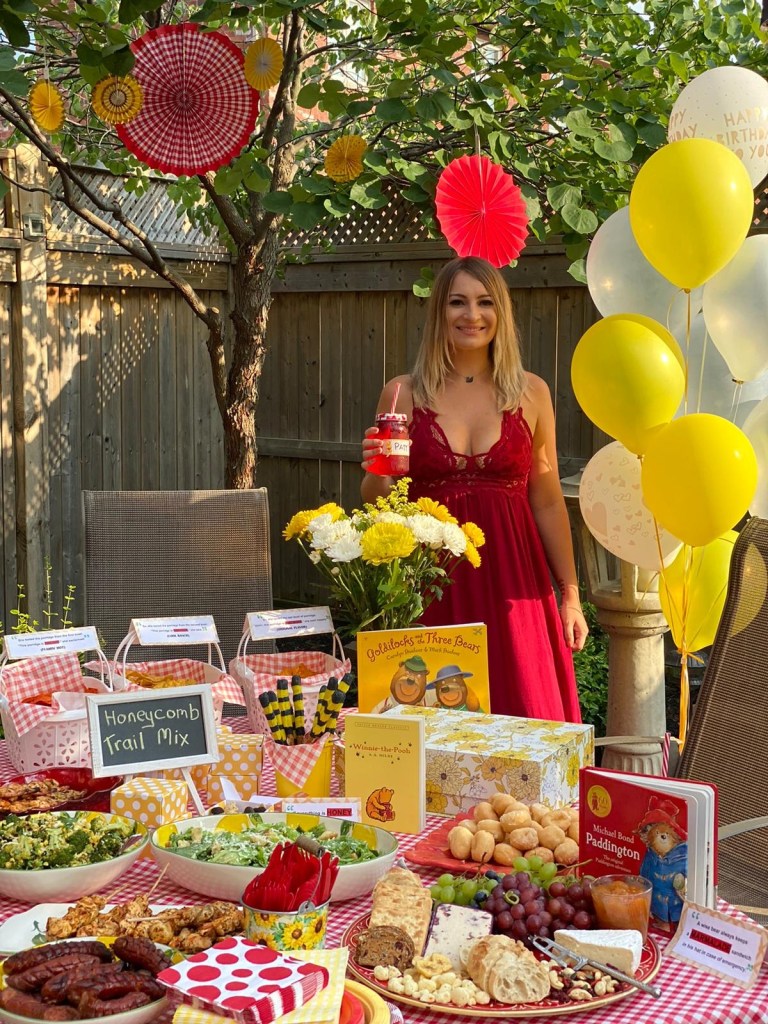
To set the mood, I designated a corner of the backyard to two of my favourite teddy bears and their toy picnic basket. They dined on burgers and veggies, sipped some tea and were later joined by more fuzzy friends – I had asked each guest to bring along their cherished teddy bear. The rest of the backyard was decorated with paper lanters, streamers and flowers in shades of red and yellow. Red is a traditional picnic colour (hello, checkered table cloth) and yellow is my happy colour. Patterns of bees were also featured throughout because bees = honey = bears.

Party Favours
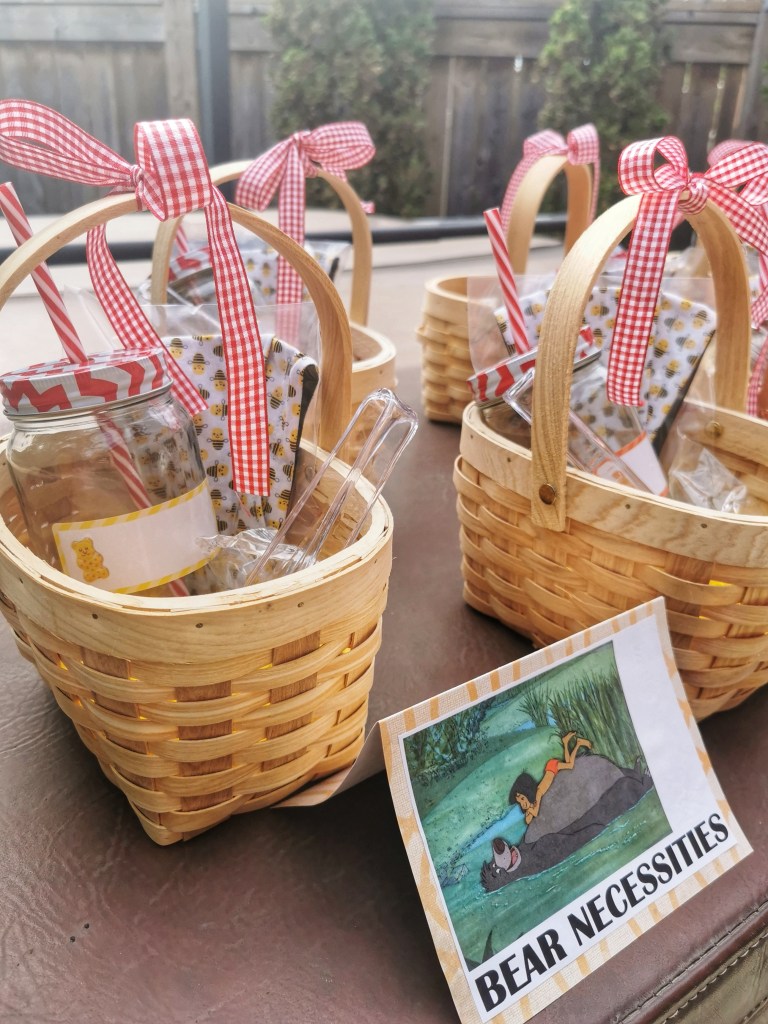
Because of Covid-19 concerns, I wanted to make sure my guests (and their varying degrees of pandemic anxiety) felt comfortable attending. I created picnic baskets for each person with the “bare (bear) necessities,” a play on famous bear Baloo’s song from Disney’s The Jungle Book. Each bag contained a mason jar for drinking with a name tag, mini plastic tongs so everyone had their own serving tool for the food table, and an on-theme face mask in a bee print (made by a local seamstress who had just started a very successful face mask business). And candy. Obviously there was candy.

Food and Beverages

The main course consisted of typical BBQ items but the snacks were a little jazzed up with quotes from popular fictional teddy bear stories.
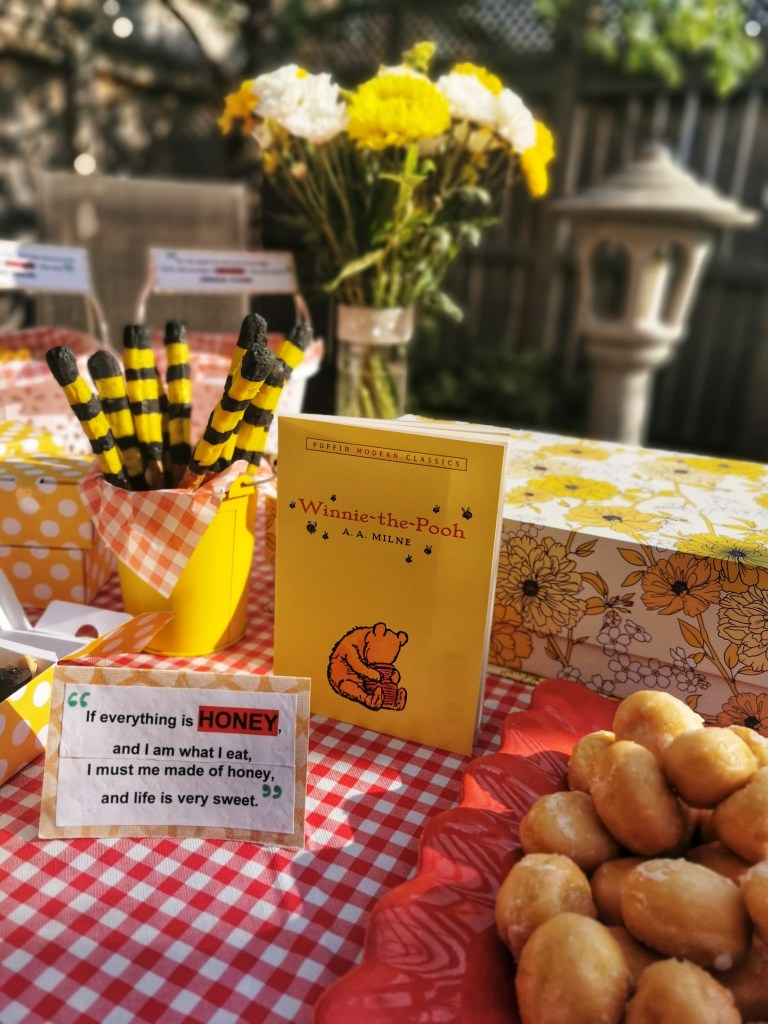
I had chocolate covered pretzel sticks (colored in a bee pattern) and Tim Horton’s Honey Dip Timbits to represent Winnie-the-Pooh’s love of honey.
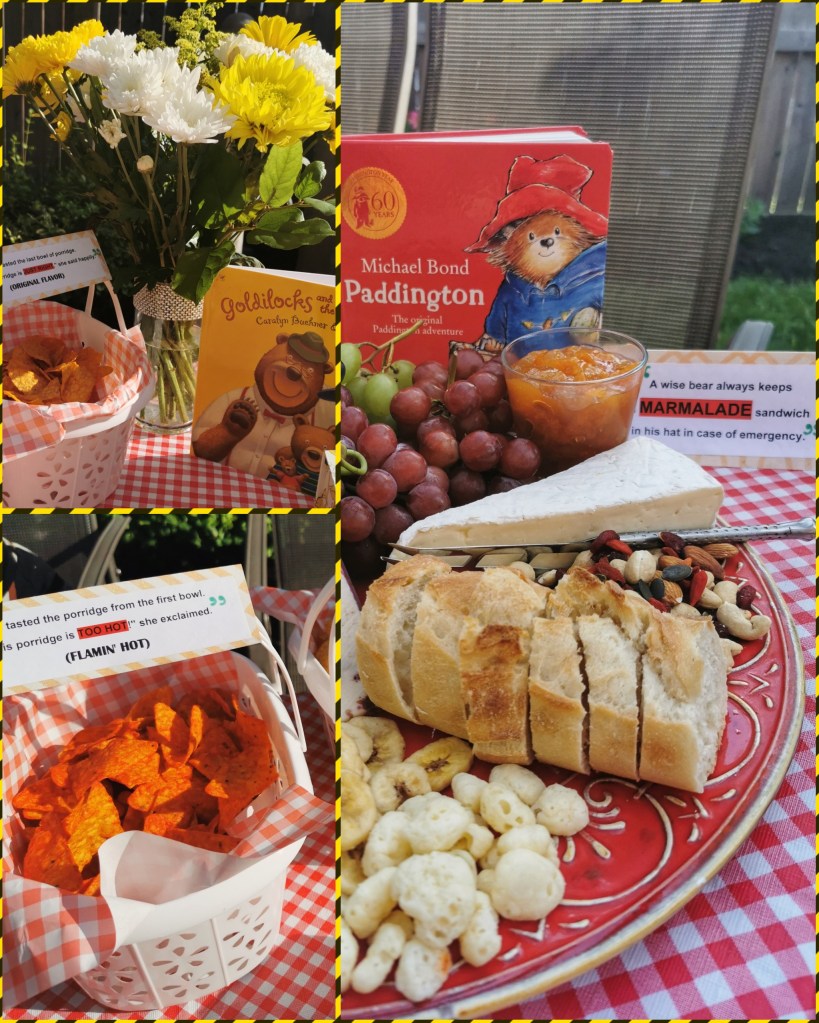
The story of Goldilocks and the Three Bears (and Goldilocks’ attempts at trying all of the porridge) was used for the Doritos chips selection – Cool Ranch (TOO COLD), Flamin’ Hot (TOO HOT), and Original flavour (JUST RIGHT). Paddington the Bear’s love, marmalade, was featured on a cheese plate.

I had also created boxes of trail mix with all things teddy and honey related, including Teddy Grahams, honeycomb-shaped chocolate, honey-flavoured nuts, Honeycomb cereal, and Bear Paws’ little bites.
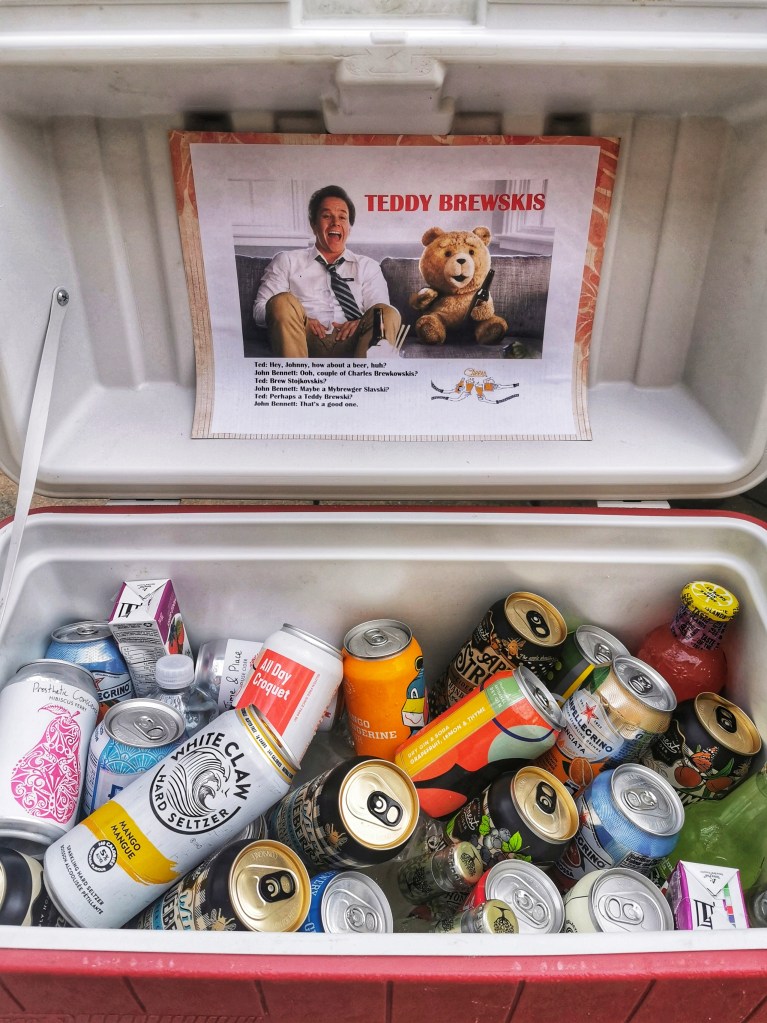
The cooler of beer I set up for ease of drinking was an ode to Ted (the bear from the very popular movie of the same name) and his love of “Teddy Brewskis.”

Cake
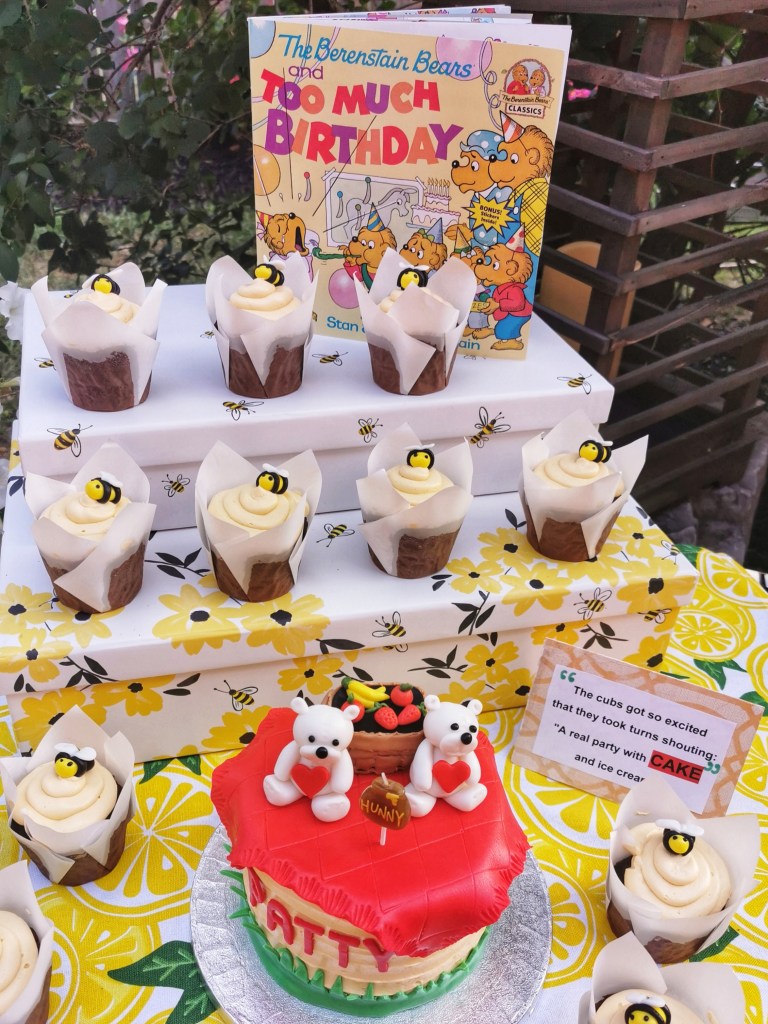
I couldn’t have a teddy bear party without including the Berenstain Bears – I had most of their books as a child. One of my best friends is a pastry chef so I was lucky enough to have her make me my own individual teddy bear cake and delicious bee cupcakes for the guests (which made it easier to abide by Covid safety guidelines). I definitely had leftover cake for breakfast the next day!

Birthday Cocktail
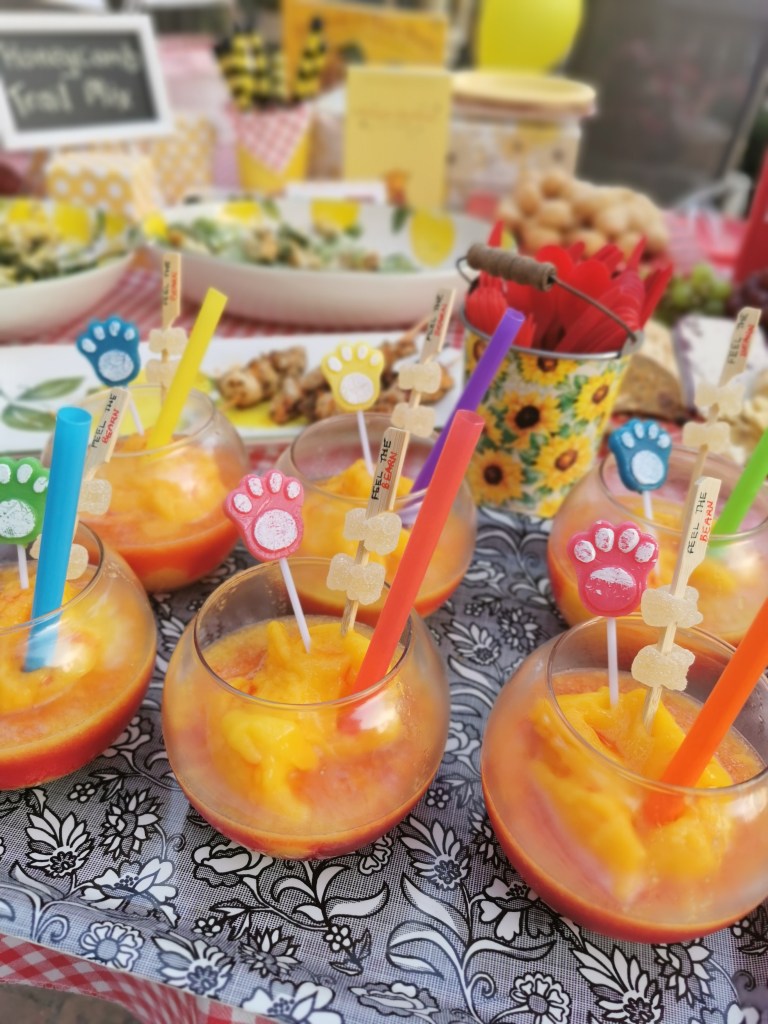
Because I’m a bartender and the pandemic lockdowns have allowed me to have a lot of fun experimenting with cocktails, I knew the party needed a themed drink. I had been in a frozen cocktail phase (and still am!) so I ended up making a “Mango Peach BEARlini”, which was a huge hit. Check out my Instagram reel for a DIY video on how to make this frozen Mango Peach Bellini. Just be careful – they’re highly addictive and too easy to drink.

A Joyful Day

After worrying I would have to spend my birthday alone, I was extremely happy with how I got to celebrate my birthday. Got any tips for celebrating special occasions during the pandemic? Let me know in the comments! While the teddy bear theme was fun and allowed my creative juices to flow, I was most grateful that I got to spend time with my family and friends and didn’t have to resort to naming bears after them!
Categories
Uncategorized

5 Vessels for Conveying Emotion in Storytelling

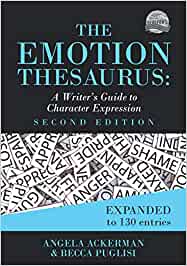
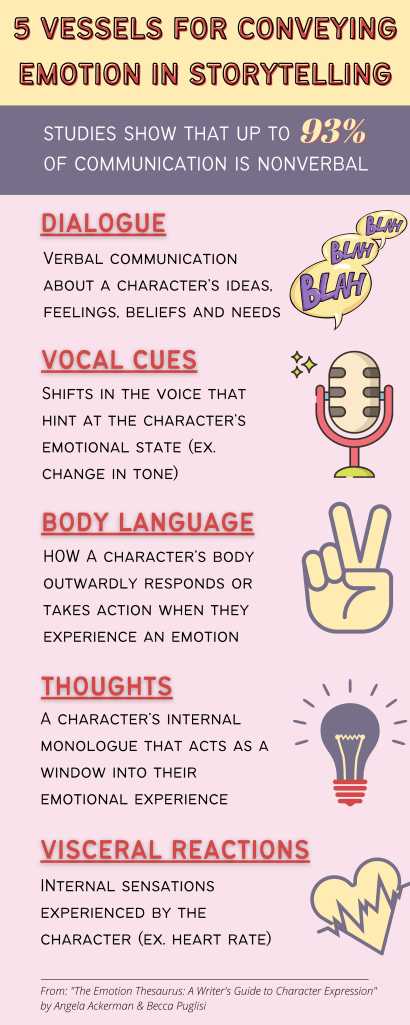
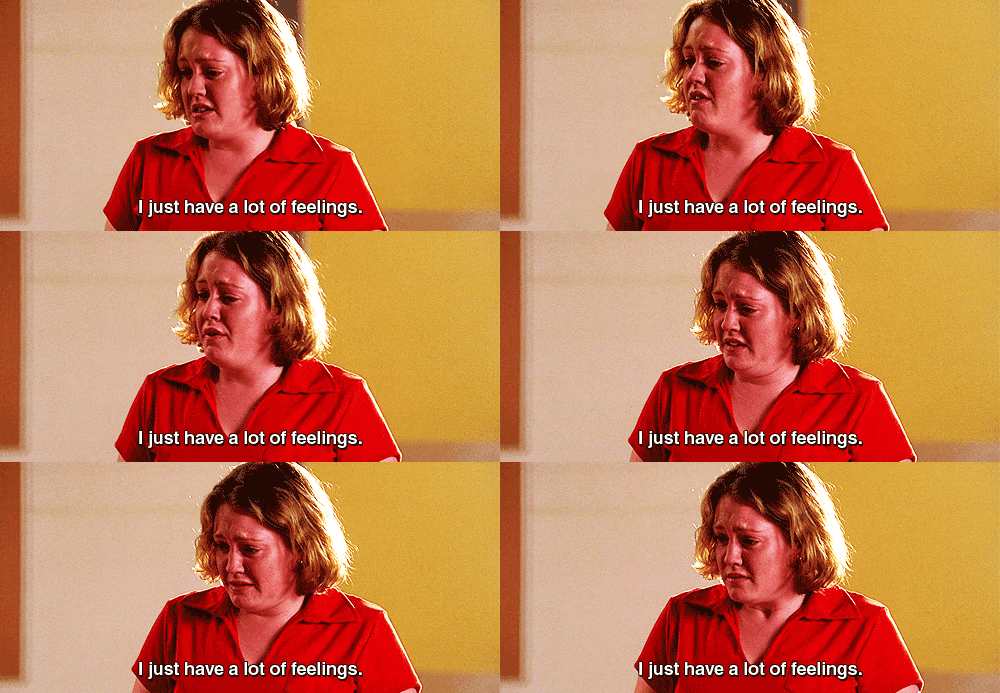
Great storytelling hinges on a storyteller’s ability to convey and evoke emotion. Emotion is at the forefront of a character’s journey, thus being an important aspect of propelling the story forward. There are no stakes in a character’s personal story without emotion. While we may perceive that verbal communication is the predominant method of communication, studies actually show that 93% of communication is nonverbal. Because of this high statistic, storytellers must ensure that their characters are expressing emotion in a multitude of recognizable ways. Below are 5 different vessels for conveying emotion in storytelling according to Angela Ackerman & Becca Puglisi in their writing handbook “The Emotion Thesaurus: A Writer’s Guide to Character Expression.”

5 Vessels for Conveying Emotion in Storytelling

Mean Girls Emocio GIF - Find & Share on GIPHY

Dialogue

Dialogue refers to the words a character uses to articulate their ideas, beliefs and needs. Dialogue is an effective method of revealing a character’s emotional state, but it should rarely be used on its own. Making use of verbal dialogue in conjunction with non-verbal communication is important when attempting to convey realistic displays of emotion.

Vocal Cues

Vocal cues are shifts in the voice that hint at a character’s emotional state. Examples of vocal cues are hesitations, changes in tone or pitch and words that are suddenly spoken faster. While dialogue can be manipulated by the character and words can be chosen carefully, vocal cues are harder to control.

Body Language

Body language is how a character’s body responds when experiencing an emotion. When a character experiences a strong emotion, the body’s reaction will be bigger and there will be less control over the body’s movement.

Thoughts

Thoughts refer to the internal monologue of a character where a mental process corresponds with an emotional experience. Thoughts are not necessarily always rational but they convey how certain people, places and events impact a character’s point of view.

Visceral Reactions

Visceral reactions are internal and instinctive sensations. Examples include heart rate, an adrenaline rush and light-headedness. These are the most powerful form of nonverbal communications as relying too much on visceral reactions can create melodrama and clichéd phrasings when describing them.

Further Resources

Check out Ackerman & Puglisi’s book and blog, “Writers Helping Writers”, for more great tips on character portrayal, conveying emotions, writing, and storytelling. And if you’ve got any tips for conveying emotion in storytelling, share them in the comments!

Categories
Uncategorized

Falling Down the Rabbit Hole

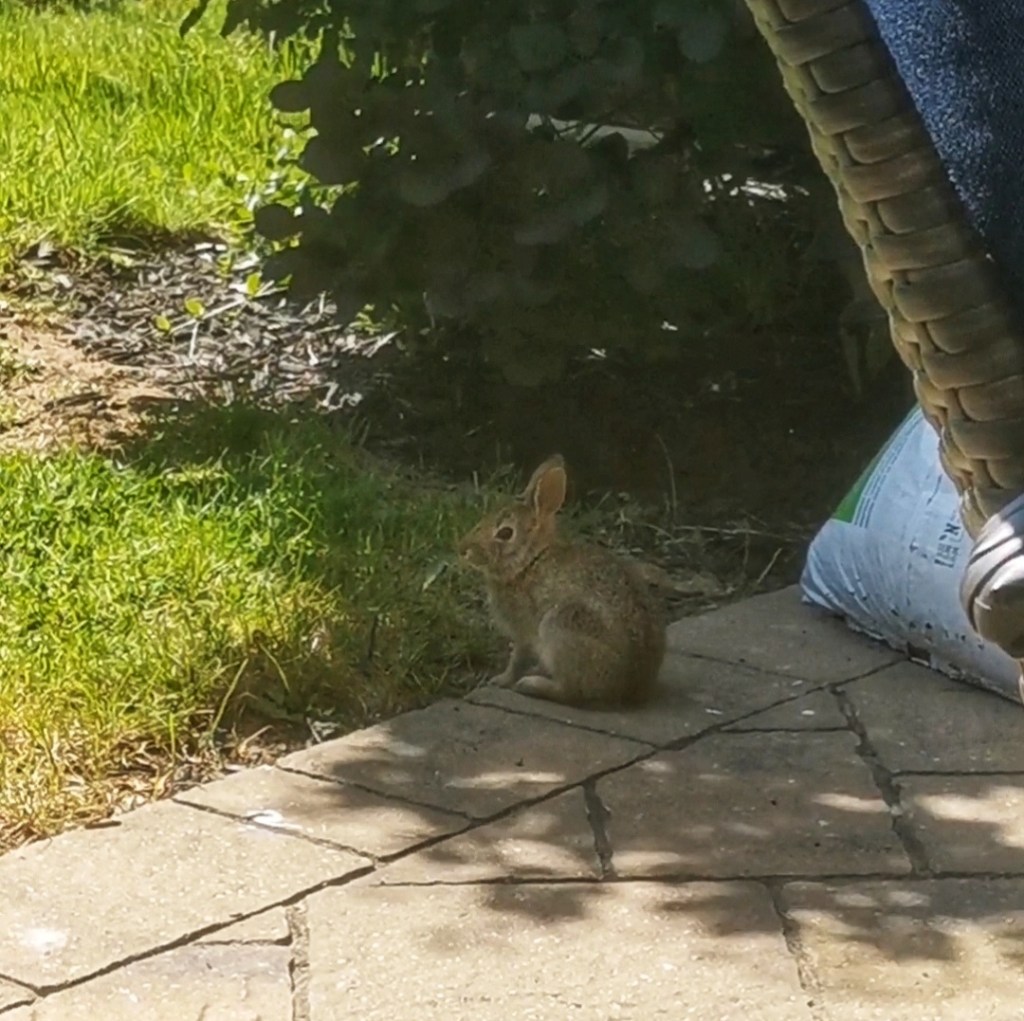
I am taking four courses this summer for postgraduate certificates in Social Media and Event Management. Earlier today I was studying for an Event Theory test I have on Thursday and finding it hard to focus given the weather was finally great (the past week had consisted of an unbearable heat wave followed by all of the rain imaginable). In the midst of trying to fill my head with knowledge, I looked up from my laptop and saw that I had company!

My mom had mentioned that there were bunnies living under her deck but the family had a hard time believing her because no one else had ever seen them. I was glad to have a study buddy, but also wondered: how is one expected to study with this adorable furballl around?! I decided to live tweet my bunny watch (and failed attempt at studying) until – spoiler alert – the bunny was chased off by another creature of phenomenally cute proportions. Check out my journey down the rabbit hole and then read on for a discussion on what story elements I used to craft my live tweet thread.

Elements of a Story

In general terms, there are five main components to a story: setting, character, plot, conflict, and arc. I tried to incorporate these elements into my live tweet thread in the following ways.

Setting

I let the viewer know my location right away by stating in the first tweet that I was in my mom’s backyard. I also explained that it was a beautiful morning and the videos I attached to my tweets provided both visual imagery of the sunny weather and examples of sounds I was hearing (peaceful breeze and singing birds).

Character

While the bunny was the main character that the viewer sees and learns about (I named the bunny Thumper, inspired by the classic Disney movie Bambi), there are secondary characters in the birds that sit on the fence and the hero of the story, my mom’s dog, Milo. I also tried to infuse personality into the narrator of the live thread (me!) by showcasing a little humour with GIFs and hashtags.

Plot

The plot refers to the actions undertaken by the characters within the setting as they pursue a goal. I tried to describe the events that were occurring in the backyard as they happened – i.e. finishing my plate of cookies, the arrival of the birds, the bunny’s movement, etc.

Conflict

The conflict in the live tweet thread revolves around my attempt to study in a prime-summer setting while other distractions continue to arise. My academic grade is at stake (and it turns out so is my mom’s pot of planted lettuce) and I have to be able to concentrate.

Arc

Good stories have a beginning, middle, and end. My live tweet thread starts off with the arrival of the bunny, continues with commentary on the ways in which the bunny distracts me from studying, and finally ends with a “hoppy” ending when my mom’s dog scares the bunny away (that was the quickest bunny hopping I’d ever seen!)

In addition to incorporating story elements into my tweet thread, I also tried to convey the story in my own voice and tone (which is key to writing good social media copy). I tried to pretend like I was having an in-person conversation about the bunny with my friends. All in all, I got some studying in and it turned out to be a very productive day! And the best thing that came out of my encounter with Thumper: we now know that my mom wasn’t just imagining the bunnies. Ha!

Categories
Uncategorized

Schitt’s Creek, a Simple Storyline for Complex Characters

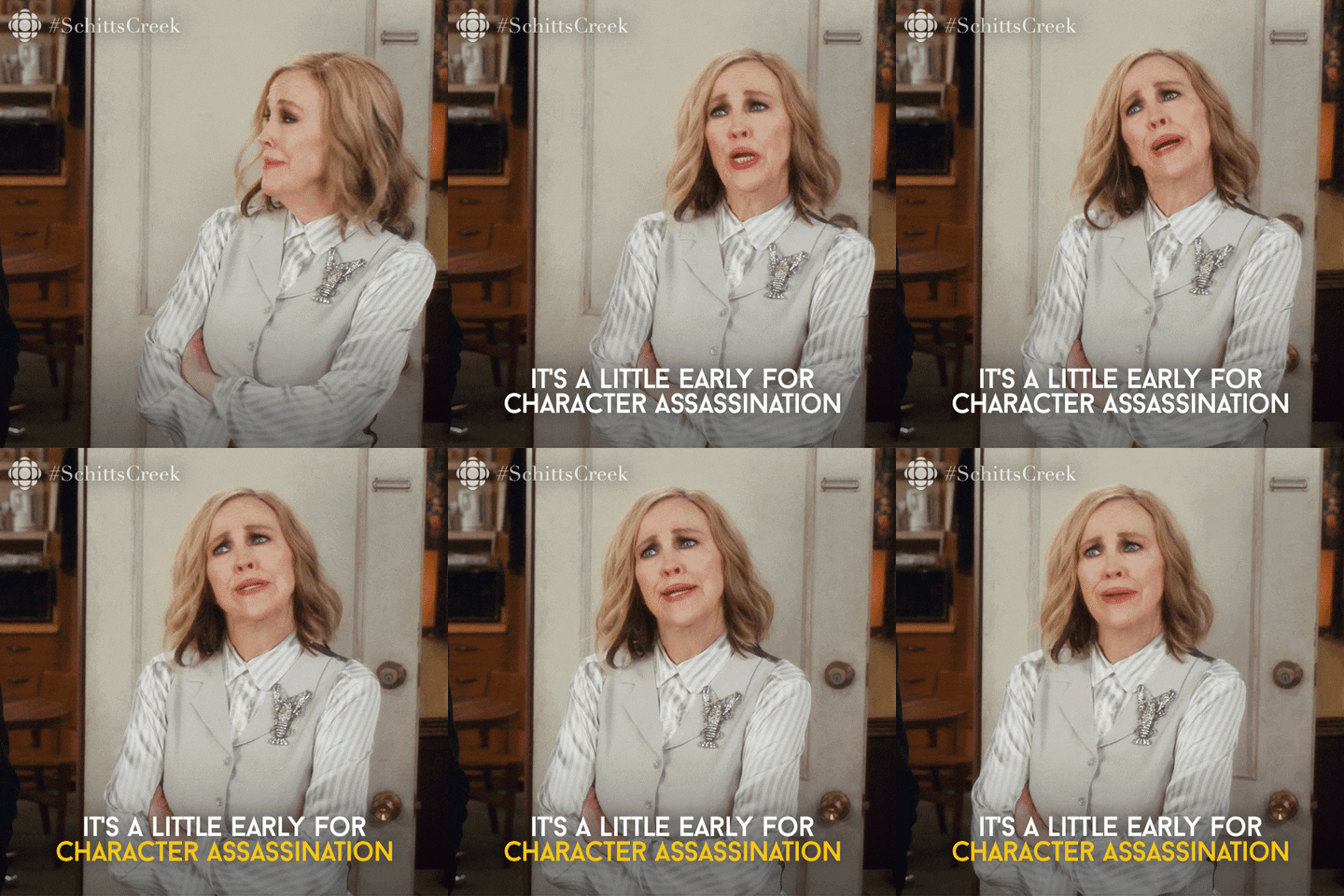
Image from IMDB

When Schitt’s Creek swept the Emmy Awards in 2020, my interest was piqued. I had heard of the show before, given its Canadian origins, but I never realized just how much it blew up during its six seasons. Jumping on the bandwagon and desperate for a laugh during the second pandemic lockdown, I binged the entire show in three weeks. And then I binged it again two months later during the third lockdown. How did I get so hooked and why was I re-watching a show so soon when there are multiple options out there? It all comes down to a familiar storyline bolstered by hilariously complex characters.

Writing the Schitt’s Creek Plot

In addition to winning Emmys for Outstanding Comedy Series and hardware for all four main actors, Schitt’s Creek also won the award for Outstanding Writing for a Comedy Series.  While the comedy is on point and the scripts are brilliantly written, the actual plot of the series is comprised of a simple story spine. The concept of the story spine was created in 1991 by Kenn Adams and it is a tool that assists in the construction of a story (and in learning how to recognize a well-told story). The basic 8-line format includes filling in these starters: Once upon a time… Every day… But, one day… Because of that… Because of that… Because of that… Until finally… And, ever since then…

Promising Schitts Creek GIF by CBC - Find & Share on GIPHY
From GIPHY

The Schitt’s Creek Story Spine

Applying Adams’ story spine concept to Schitt’s Creek, we get:

Once upon a time there was a wealthy family of four – Johnny and Moira Rose and their two adult children, David and Alexis.

Every day they lead a pampered life of luxury residing in a mansion and travelling all over the world

But, one day, the family learns that Johnny’s business manager had been embezzling money from the family business instead of paying taxes

Because of that the government repossessed all of their assets, except for the town of Schitt’s Creek, which was bought as a joke

Because of that the family had to move to Schitt’s Creek and reside in a motel together

Because of that they were forced to get jobs and socialize with the town’s quirky residents

Until finally they rebuilt their lives and found personal and professional success in new endeavours

And, ever since then they had a closer bond as a family and supported each other’s goals

This story may be a simple riches-to-rags plot line, but its “root for the underdog” features tug at the heartstrings of viewers, especially with such unique and likeable characters.

Writing the Schitt’s Creek Characters

Schitts Creek Comedy GIF by CBC - Find & Share on GIPHY
From GIPHY

When we think about what makes a viewer become invested in a character, it is useful to consider some of Pixar’s 22 rules of storytelling.

#1: You admire a character for trying more than for their successes.

While the Roses initially look for quick fixes to their predicament, they each eventually put in the hard work required to come out on top. Alexis went from a high-school dropout to a degree in Public Relations to creating a personal brand and business – impressive indeed!

#6: What is your character good at, comfortable with? Throw the polar opposite at them. Challenge them. How do they deal?

Watching the Roses maneuver living in an outdated and cramped motel after a life spent living in luxury is comedic gold. Memorable moment: Johnny and Moira attempting to barricade the adjoining door so their children don’t walk in on their alone time again.

#13: Give your characters opinions. Passive/malleable might seem likeable to you as you write, but it’s poison to the audience.

When we first meet the Roses, they can be described as selfish, self-absorbed, oblivious, greedy, arrogant, and materialistic – traits that come out in their strong opinions about the town of Schitt’s Creek and its residents. While these are likeable for comedic reasons, the audience eventually comes to appreciate the characters for their kind-heartedness, confidence, ambition and boldness.

Conclusion: Will binge a third time.

And a fourth. And a fifth. And I’m not alone in my obsession as viewers have come up with all sorts of ways to keep themselves engaged in the world of Schitt’s Creek after the series finale. If you’re looking to keep the Schitt’s Creek glory alive in your life, try some of these fan ideas based on memorable moments from the series. For starters, you can learn how to “fold in the cheese” (a task hilariously attempted by Moira and David) or join in on a Schitt’s Creek TikTok trend that recreates the choreography to Alexis’ famous “A Little Bit Alexis” routine. Let me know how you’re celebrating the show in the comments. Best wishes and warmest regards!

Design a site like this with WordPress.com
Get started