Categories
Uncategorized

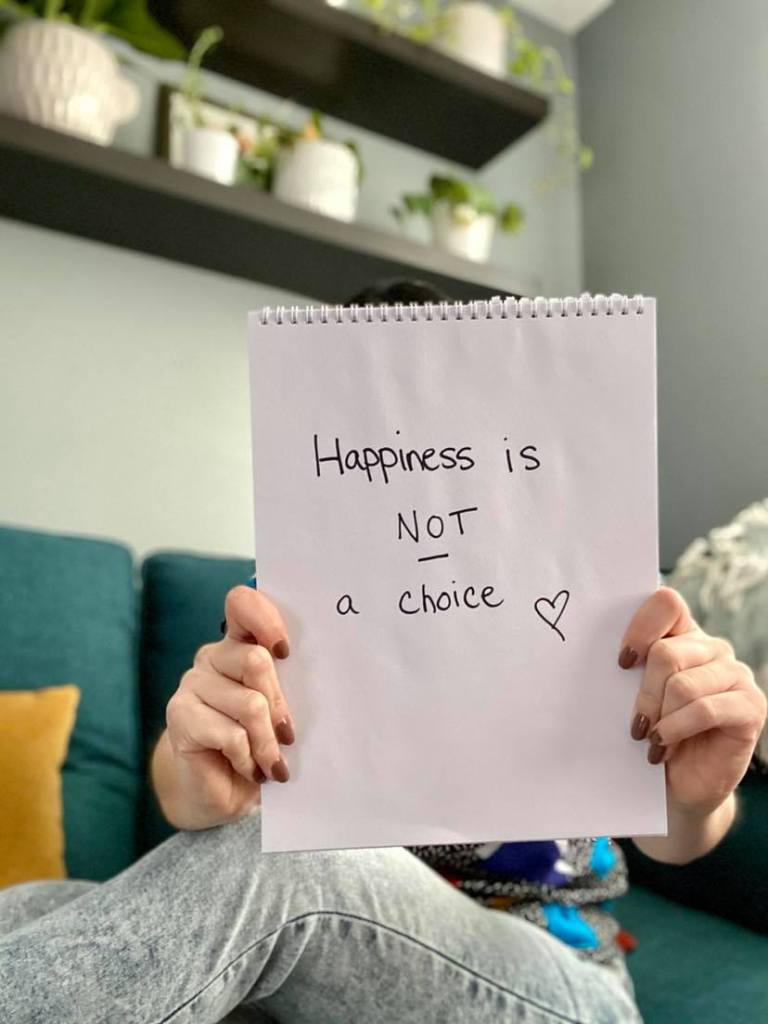
Happiness is (NOT) a Choice

“I ran because I truly believed there was something waiting in the woods that would hurt me”. At the age of five anxiety crept it’s way into my life, it came in the form of night terrors, thoughts of being kidnapped, and difficulty fitting in with other kids.
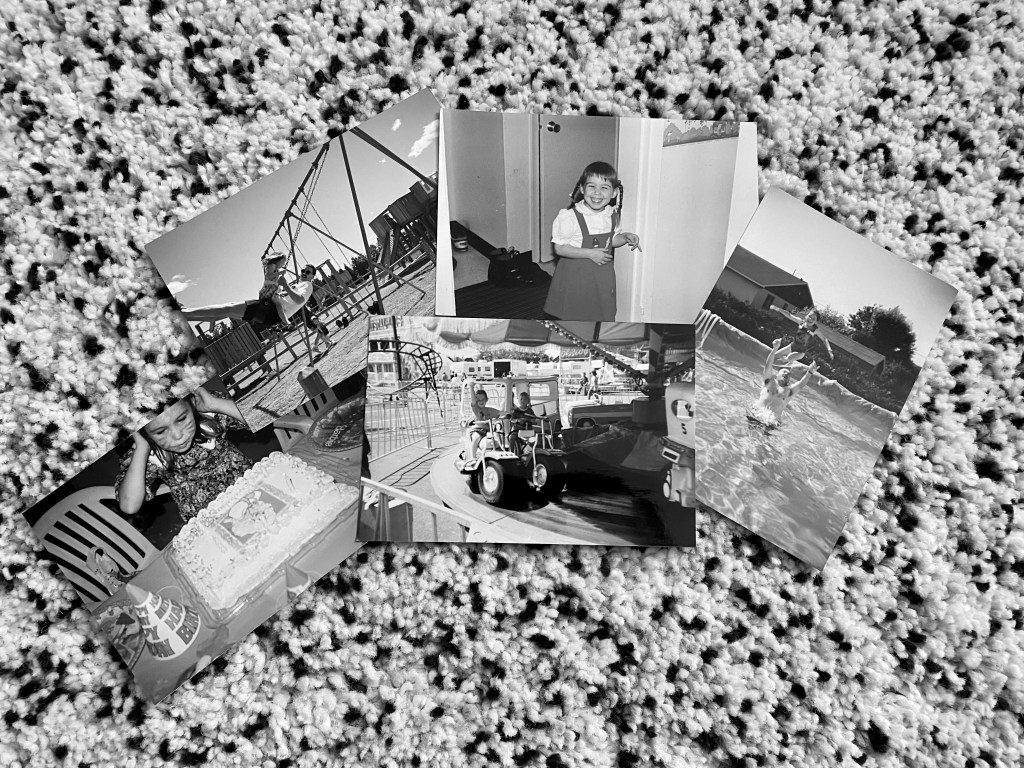

Stranger Danger” was preached to me by my parents, teachers, and even on television. It became so engraved in me that I started to perceive almost everything as a threat. There was one instance that I saw a man outside my school after the bell had rang, and in my little mind I thought he fit the bill of a kidnapper. The following day my mom brought me into the principal’s office, where I brought my tiny Ken doll’s shoes to help describe what the “suspect” looked like. As it turns out, the did track this man down and he was a parent, waiting to pick up his children. My vivid imagination combined with anxiety caused me to be perceived as a difficult child.
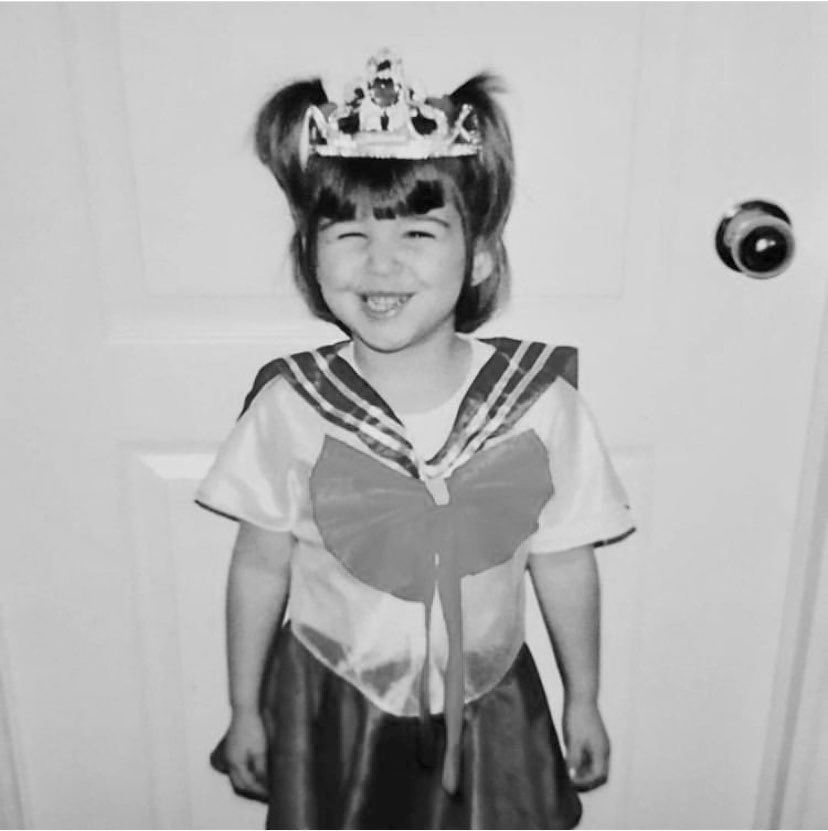
Throughout my childhood my anxious thoughts and feelings lead to many forms of punishment by the adults in my life. I was told I was a liar, and made to write “I will not lie” after thinking I was being followed home from day camp one day. My daydreaming often frustrated teachers, so I was forced to stand in the hallway for long periods of time. It was during my visits in these hallways that I experience what I now know as panic attacks.


As The Years Passed

My feelings of unworthiness grew as I reached my teens. I experienced severe bullying in middle school, fueling the fire of my poor self image. I turned to self harming behaviours as a way to cope. This behaviour lead to:

  • Depression
  • Body Dysmorphia
  • Social Anxiety
  • Attempted Suicide
  • Withdrawing from my academics

We accept the love we think we deserve

The Perks of Being a Wallflower
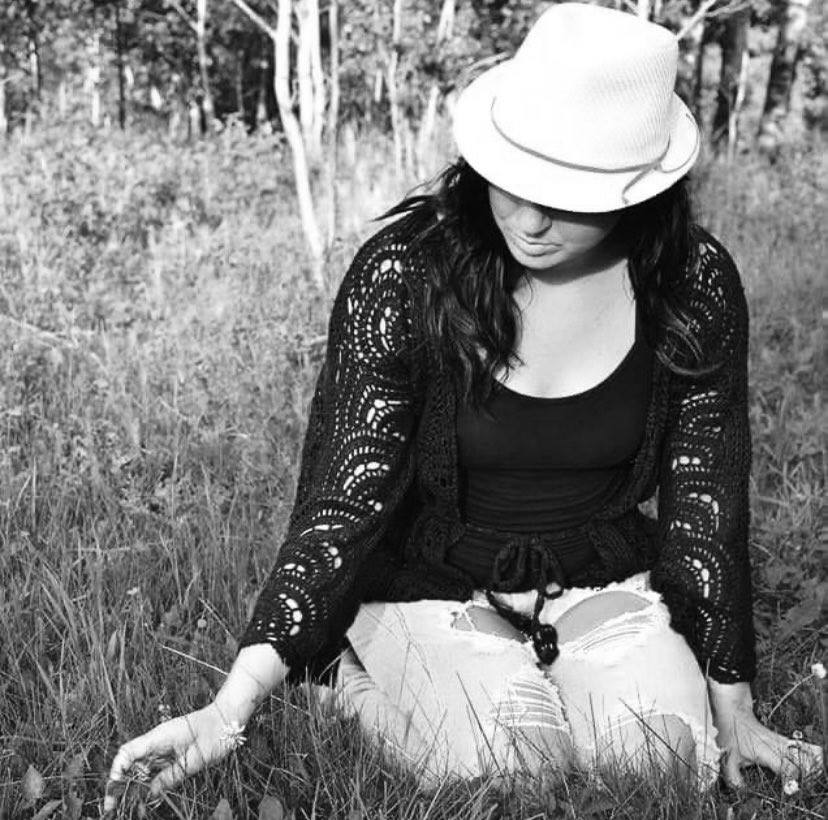
In my teens and early 20’s I found myself stuck in toxic relationships and friendships. I turned to substance abuse, at first it was a way of fitting in. I began to see using substances as a tool to numb my pain and what I now can recognize as a way to dissociate. I was living a life of self sabotage.


Enter Social Media

I was in my early 20’s when I actively starting using social media, I found it to be a really complex thing to navigate. I started to compare my lives to others, and what was meant as a way of connecting others, started to make me feel more alone than ever.

I followed many pages that I thought could boost how I was feeling about social media, and that would “drown out” my depression.


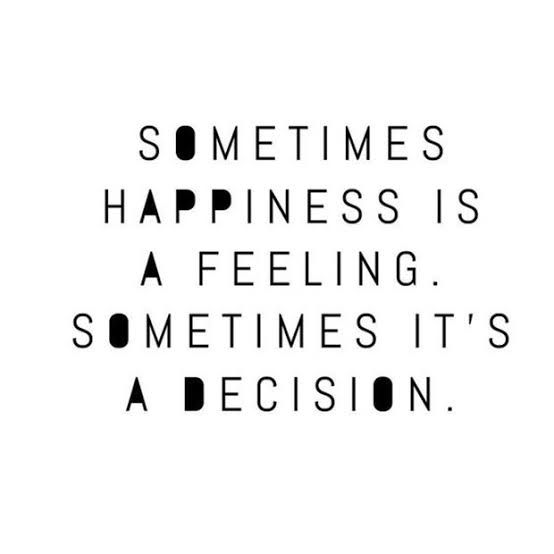
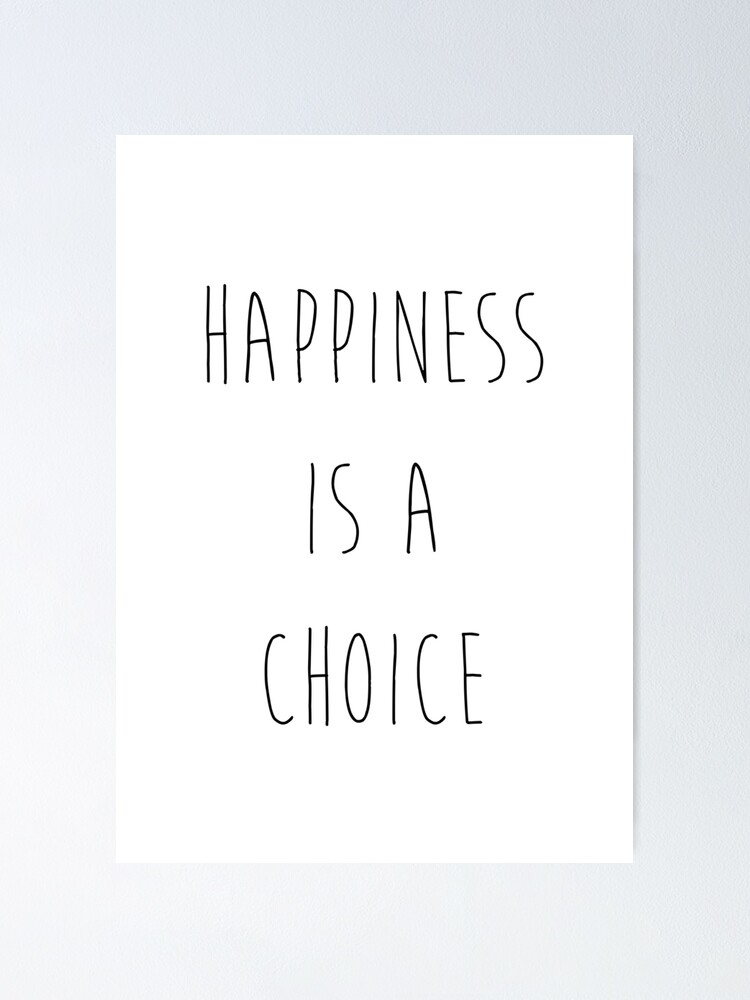
I started prescribing to quotes such as:
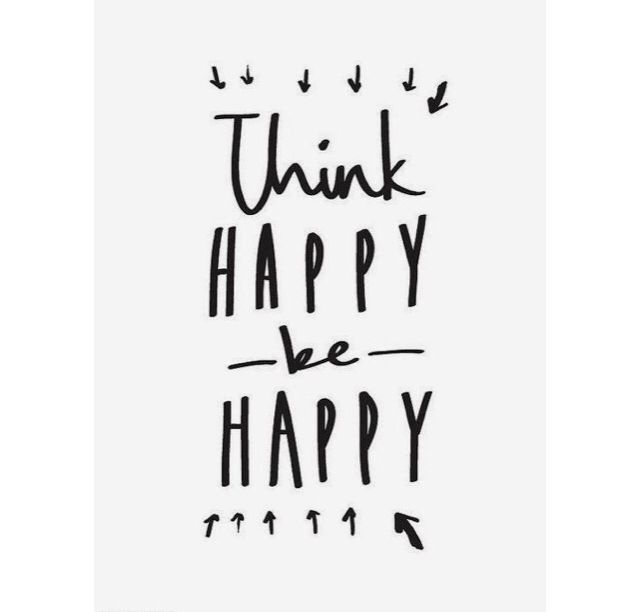
I placed so much pressure on myself to live up to these quotes. I grew frustrated when I couldn’t simple “choose to be happy”. I felt like I was weak. At social gatherings I had a constant worry that no one would want to be around me on my “off” nights because everyone would be able to sense that my “vibe” wasn’t good.


Eventually there was a turning point in my life, where I finally felt seen, heard and had all of my feelings validated. This was the beginning of me taking the steps I needed to start my healing journey. It wasn’t easy, it still isn’t easy.


My healing began when I started therapy in 2016. Then, in 2018 I was finally given a diagnosis – This was very bittersweet for me.

Adult ADD – Attention deficit hyperactivity disorder is not limited to children — 30% to 70% of kids with ADHD continue having symptoms when they grow up. In addition, people who were never diagnosed as kids may develop more obvious symptoms in adulthood, causing trouble on the job or in relationships. Many adults don’t realize they have ADHD, leaving them mystified about why their goals seem to slip out of reach.
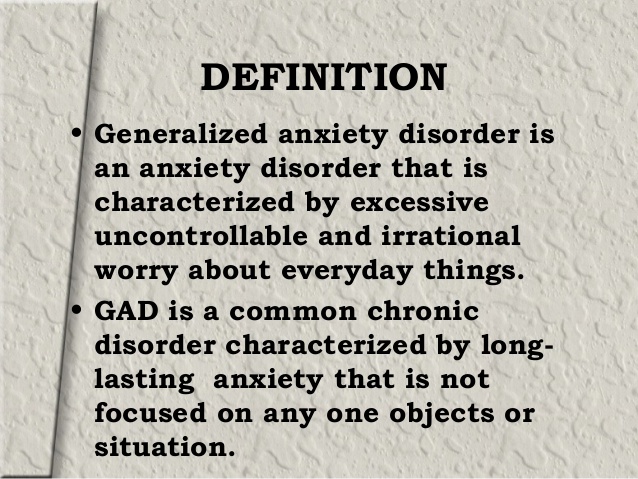
Some of the ways GAD presented itself in my adult life:

  • Fear of driving because of an accident happening
  • Fear of being fired from a job I received praise at
  • Fear of showering when I am home alone
  • Night terrors, at least a few times a week
  • Breathing and Chewing too loudly around others
  • Constant worrying about my loved ones health
  • Nervous habits: Chewing my lips
  • Anxiety and Panic attacks
  • Staying in situations I’m uncomfortable in

(A lot of these have mellowed out, but some I am still working on, and that’s okay)
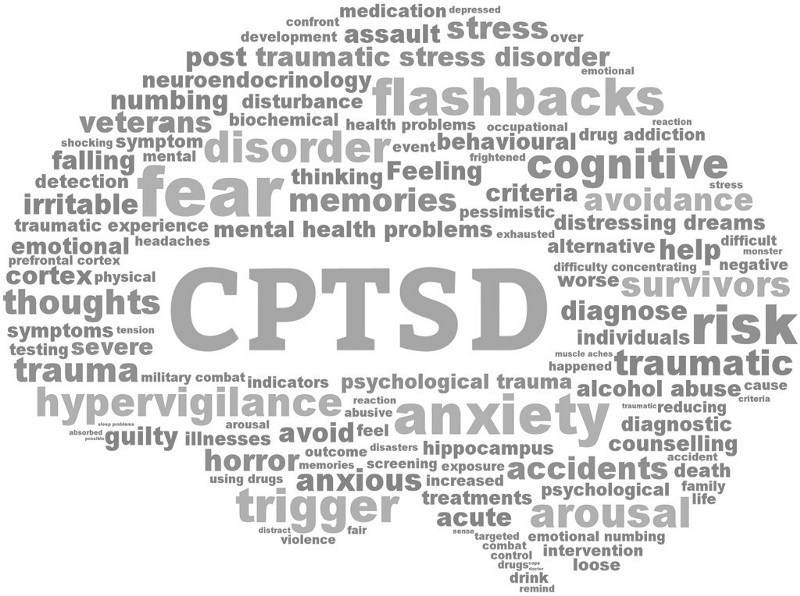
C-PTSD, which is less commonly known and often mistaken for PTSD.

The difference between the two is Complex PTSD is often caused by long term trauma, and repeated trauma. So for me, this was suffering neglect in my childhood as well as being in abusive partnerships. I suffer from many triggers that cause flashbacks and panic attacks, sometimes the flashbacks come at night while I’m sleeping. I have the tools now that I need to recognize when and what is happening. One of the most important tools I found came from this book: “From Surviving to Thriving” by Pete Walker.
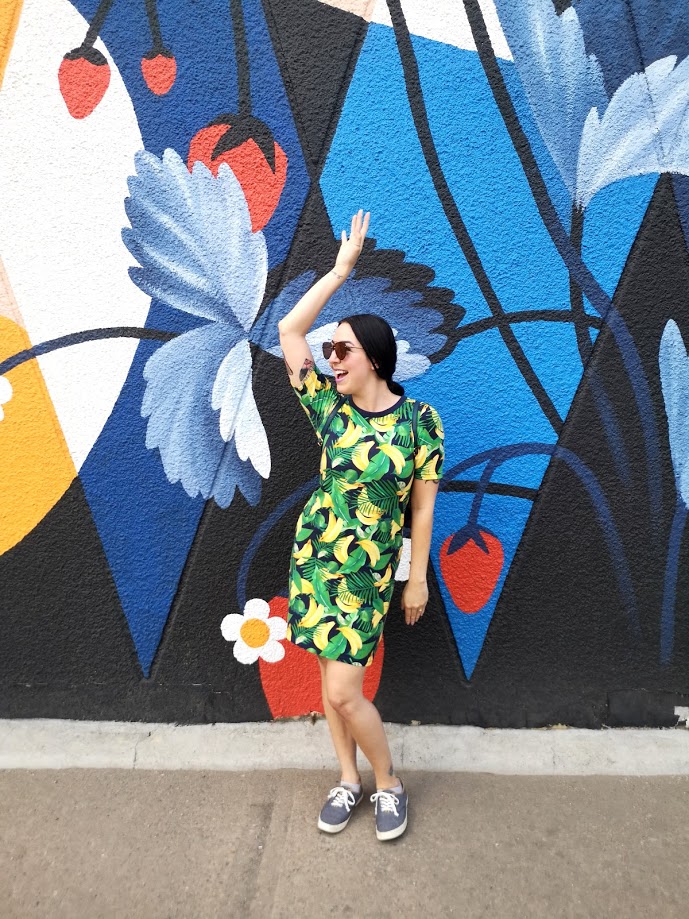

I battled a lot after being diagnosed to make sure I didn’t let my mental illness define who I was and here’s what I found out:

Click here to see the entire story of “Happiness is (NOT) a choice” (Best listened to with headphones)

Categories
Uncategorized

Storytelling: The Four I’s

“Great stories are those that are human. Great stories are those that evoke emotion, and those that cause a reaction. If you are a brand or business that is thinking of using digital storytelling as a new tool for engagement, consider the four ‘I’s of storytelling first. These are the four new principles that form the basis of the future of storytelling” – Simon Heyes


Writing has been around for thousands of years, humans have always had a story to tell. From ancient symbols on cave walls to sending emojis over text message. What we’re going to talk about today is how to tell a good story! One that will capture your audience, whether you’re talking about selling sneakers, or what kind of mischief your pets got up to this week. Even if you think to yourself “Oh My Gosh, this is not even a story worth telling” I promise you, there is a way to make it worth writing!


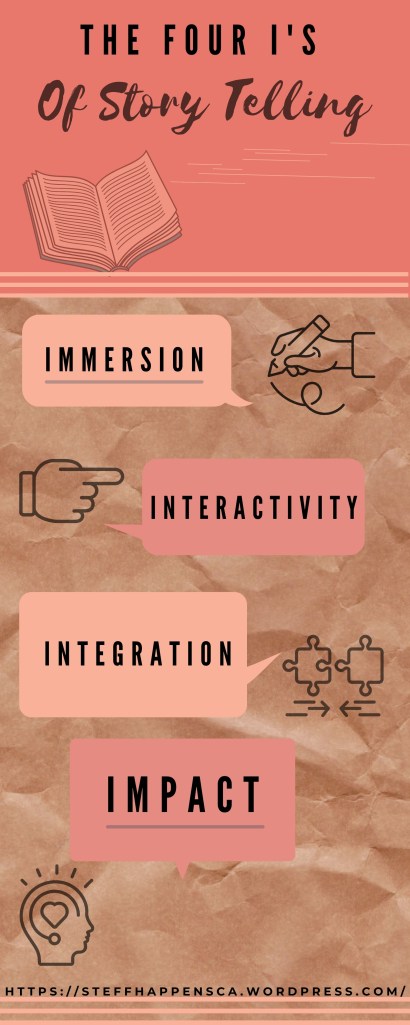
There are so many things to keep in mind before you begin your writing expeditions. The Four I’s of writing is a great place to start:


I know what you’re thinking, “Cool Steff, some words… what am I supposed to do with those!?” I promise, I’m not going to leave you in the dark. Let’s dive a bit deeper into each of the four I’s.

The Four I’s:

1. Immersion:

You’ll want to consider details that help build your story. It could be describing the characters traits, the weather, clothing, food, music that’s playing. All of this cue’s will allow your reader to go deeper into the story.


2. Interactivity:

This is your opportunity to allow your reader to influence or change a part of the story. My favourite example of this is the movie created by Black Mirror “Bandersnatch”. This is a very powerful, more personal way to engage your audience. It subtly blurs the boundaries of fiction and reality. In the digital it can be tricky to keep your readers focused, but this is a fabulous platform that will allow for more interactivity.


3. Integration:

In 2020 integration is a key thing to keep in mind when you tell a story. Basically, you want to make sure that your story is versatile enough to be shared on many different platforms, ensure that it reads when both on a computer, ipad, and mobile device. Even if you think “Oh, I just want people to be able to access it on a mobile device alone” you should consider the fact that maybe someone will start out on mobile, maybe at work, and want to finish the story at home on their desktop. Show that you’re with the “times” and choose transmedia storytelling.


4. Impact:

If you really want to leave an impact on your audience you’re going to need to evoke some emotion in your story.

I‘ve learned that people will forget what you said, people will forget what you did, but people will never forget how you made them feel.

Maya Angelou

The hope is to leave the viewer wanting to interact and share the content. Maybe it leads your reader wanting to make a purchase or donation. The story should inspire the viewers to take action, in some form.


I really hoped you enjoyed reading all about the “Four I’s of Storytelling”. For more fun and useful writing blogs, hit that subscribe button!

Did you find information that you think will help you in your next writing endeavour? Leave a comment below to share your thoughts, what do you think the most challenging “I” would be in writing?

Categories
Uncategorized

Groceries & Gossip

2020: The Year of Boredom

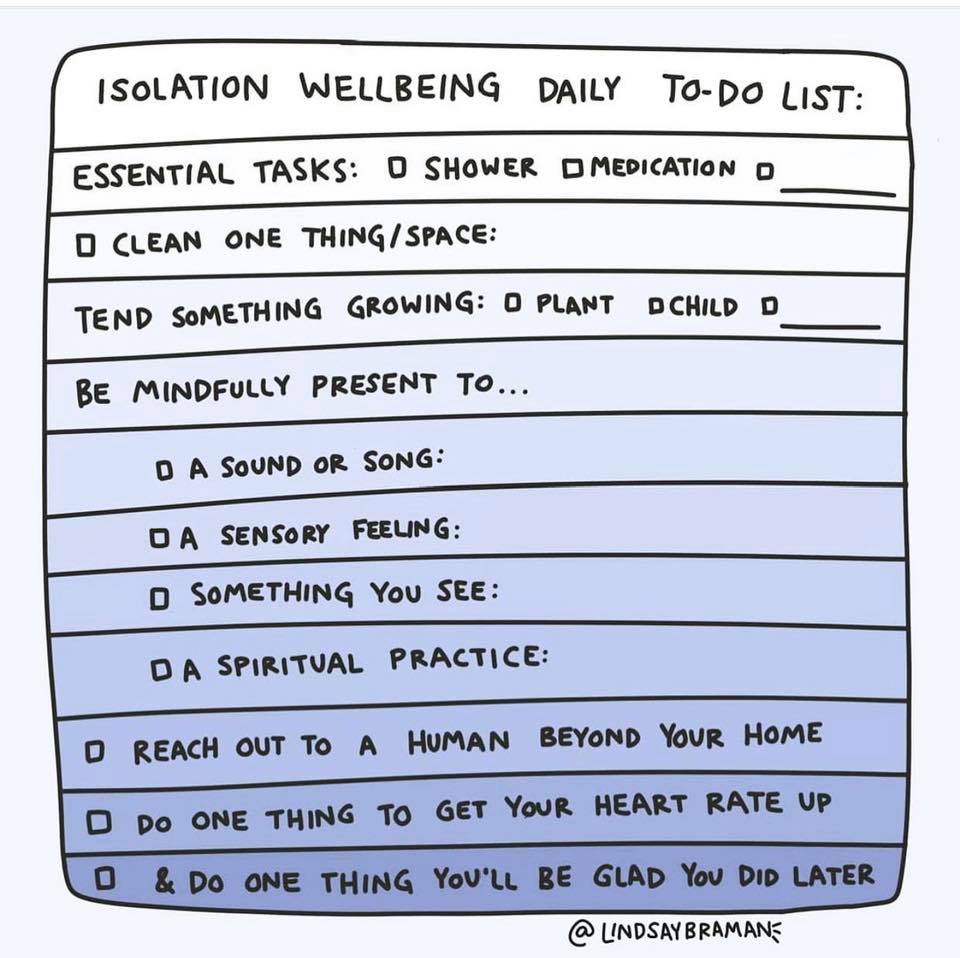
When the pandemic first began in March, a lot of us took up new hobbies, binge watched everything worth watching on Netflix, and purged our closets. There were even check-lists coming out with “What to Do in Isolation

However, as weeks turned into months and fall greeted us… Boredom set in quickly. The excitement of learning how to bake, sculpt clay, and colour coordinate a closet has faded. Here I have compiled a short list of the things that I currently find entertaining:

  • Going to work
  • Dr’s office visits
  • Buying new socks
  • Looking at photos of me having fun
  • Sorting my PJ drawer
  • My drive to work
  • Watching my dog sleep
  • Watching my cat sleep
  • And, you guessed it! Sleeping.

“Find Joy in The Little Things”

One common thing I hear people saying to me is “my biggest adventure is going to get groceries

Well, personally, it is still a task I do not enjoy. But that got me thinking, is there entertainment to be found while buying my monthly supplies? Are there elements I’m not seeing while I’m there?


In my twitter thread, you will become a “fly on the wall” as I set out to change the way we all see grocery shopping, forever.

You’ll find yourself asking:

  • Would I rather be watched, or watch?
  • Will my relationship survive 2020?
  • Should I drink before ubering to Costco?
  • Why can’t everyone wear their masks properly?
  • What is MY favourite cheese?

I hope you all enjoy where my strange mind takes me during these equally strange times. Please note, this story is 100% fictional and made purely for fun, suspense and to demonstrate how a good story can be told on twitter.

If you’ve enjoyed the read, I’d love it if you follow me here, as well on my twitter. Now, with much delay, here is the link to my original thread:

Categories
Uncategorized

The Boy Who Would Never Grow Up

“To live would be an awfully big adventure”

J.M. Barrie

Ah, the story of Neverland. I spent my childhood wearing out the book of Peter Pan, reading of his adventures and often imaging my own if I were ever to find my way to Neverland.  As I got a bit older, I found myself captivated in a new but familiar story: Hook.

“Look Mom! It’s Neverland!” I smile and point as we drive by a small island off the coast of Nova Scotia, nearly two decades later.

Throughout the tale, the author does not fall short painting vivid colours of the turquoise sea that hugs the island of Neverland. You can almost feel Tinkerbell’s fairydust tickling your face as she flies around. It’s safe to say that there is no lack of “Colour, Picture & Movement” (as Ashley Fell describes being key in every story on her Ted Talks).


The Story Spine

If you aren’t familiar with the story of Peter Pan, I will help break it down for you using the elements of a story spine

Beginning: The story begins in London, where the Darling children (Wendy, Michael and John) are telling stories of Peter and Neverland.

The Event: One day, Peter Pan visits Wendy’s window while he looks for his shadow. He convinces the children to come back to Neverland with him.

The Middle:

  1. Peter’s best friend Tinkerbell the fairy becomes jealous of Wendy. She tries unsuccessfully to have Peter’s nemesis Captain Hook shoot and kill Wendy.
  2. John and Michael go with the Lost Boys to find the island’s “Indians”, who instead capture them, believing them responsible for taking the chief’s daughter Tiger Lily.
  3. Peter takes Wendy to see the mermaids, they see that Hook and Smee have captured Tiger Lily, to coerce her into revealing Peter’s hideout. Peter and Wendy free her.

Climax: Hook takes advantage of Tinker Bell’s jealousy of Wendy. Tinkerbell reveals location of Peter’s hide-out. The pirates capture the Lost Boys and the Darlings and leave behind a bomb to kill Peter. Tinker Bell learns of the plot just in time to snatch the bomb from Peter as it explodes.

The End: Peter rescues Tinker Bell and together they confront the pirates, and release the children. Peter fights Hook and wins. Hook and his crew flee. Peter returns the children to London.


J.M Barrie first wrote the tale of Peter Pan in the early 1900’s asking his readers “What does it mean to never grow up?”

As concluded is the article “Beyond the 5 W’s” we can clearly see what driving question the author has highlighted in his story.

What are the classic “5 W’s of Writing” in Peter Pan:

  • Who (Peter Pan, Lost Boys, Wendy, Tinkerbell and Capt. Hook)
  • What (Growing up Vs. Staying young)
  • When (Mid 1900’s)
  • Where (London and fictional Neverland)
  • Why (Better explained by J.M Barrie)

What can also unfortunately be highlighted in this story is the authors lack to ” Ensure the story is fair to the people and ideas it represents

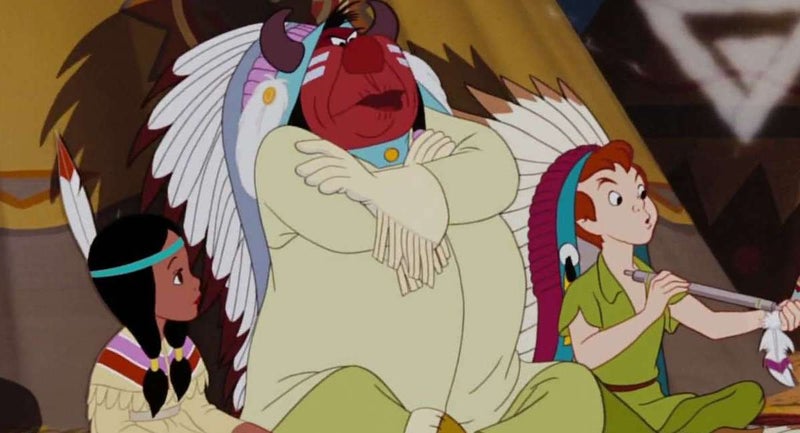
Like many Disney stories of it’s time, there is much to be learned about how NOT to tell a story. The description used in Peter Pan when referring to the “Indians” of the island leave me wondering how a parent would explain these points to their own children. In this article: https://www.fatherly.com/play/peter-pan-is-the-boy-who-never-stopped-by-racist/ you can find some interesting points discussed on the topic.


I’d like to ask you, do you think that the “four I’s” of writing are included in this story?

  • Interesting
  • Involve
  • Instruct
  • Inspire

Stay in the loop:

Design a site like this with WordPress.com
Get started