Categories
Uncategorized

This City Girl gets Chickens

“Peep, peep!” Sorry, chickens, but this city girl can’t understand you, and our readers won’t either. The pet chickens want to share their life stories, but they can’t communicate beyond small (adorable) peeps, so I’ll give a retelling in English.
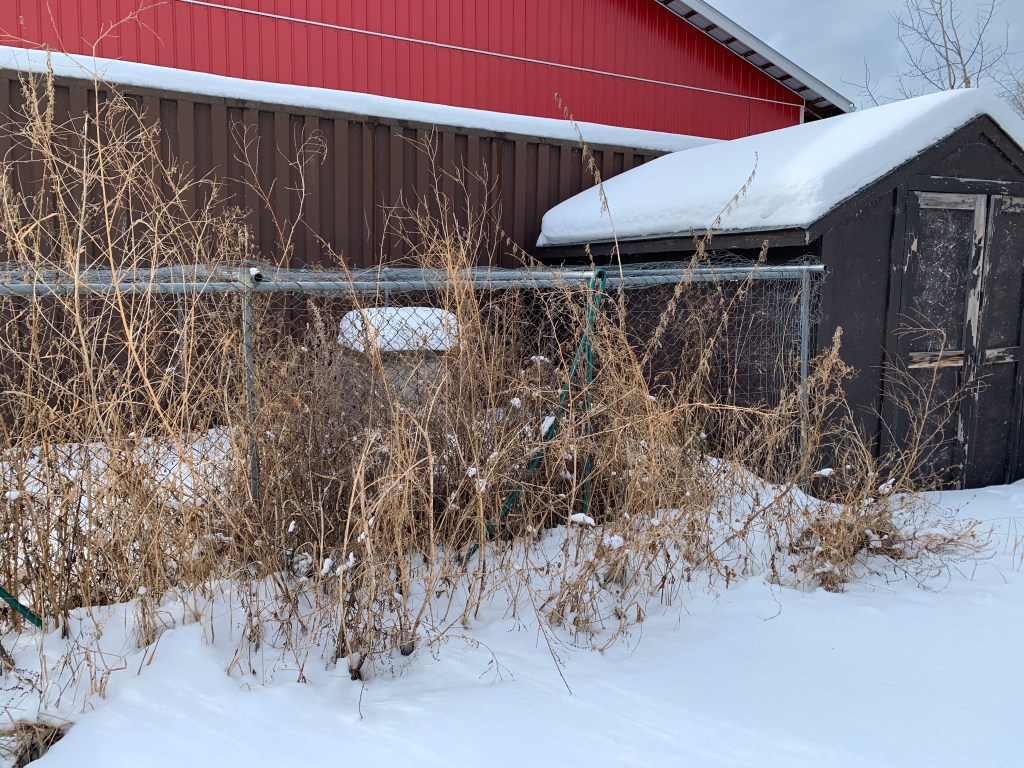
The state of the coop and enclosure during our first winter on the property.

Our family purchased a rural Alberta property at an auction during the winter, not knowing what all it would hold. As we spent more time there and explored when the snow melted, we discovered that the disheveled coop and fenced area were intact, complete with equipment to provide feed and water chickens. It didn’t feel worth the effort to dismantle the empty structure, and we dreamed about cultivating our own eggs. However, we didn’t think we could ever live out of town full time to keep animals. Cue Covid-19, when work was tied to a laptop instead of an office building, and the monotonous days called for a hobby. The joke about taking up pet chickens became a real possibility.

You wouldn’t have to look far to purchase chicken for, well, eating, but finding living ones was beyond us at the time, let alone knowing how to tend for them. Research ensued and in the process of buying supplies, we met a local farmer that had chicks for sale and was willing to give advice to us first-timers. We bought ten chicks that were over a month old, including blue, buff, lavender and red chicks (which we discovered are what the various colours are called–see all the varieties on Wikipedia).

We learned about the chickens as we got to know them, realizing afterwards how they grew and changed with time. They became more familiar with us and would run to the gate when we approached, and some became more comfortable with being picked up. The buffs, the bullies, still detest human attention, and perhaps because I’ve never pet them, their under-fluffies appear to be the softest.

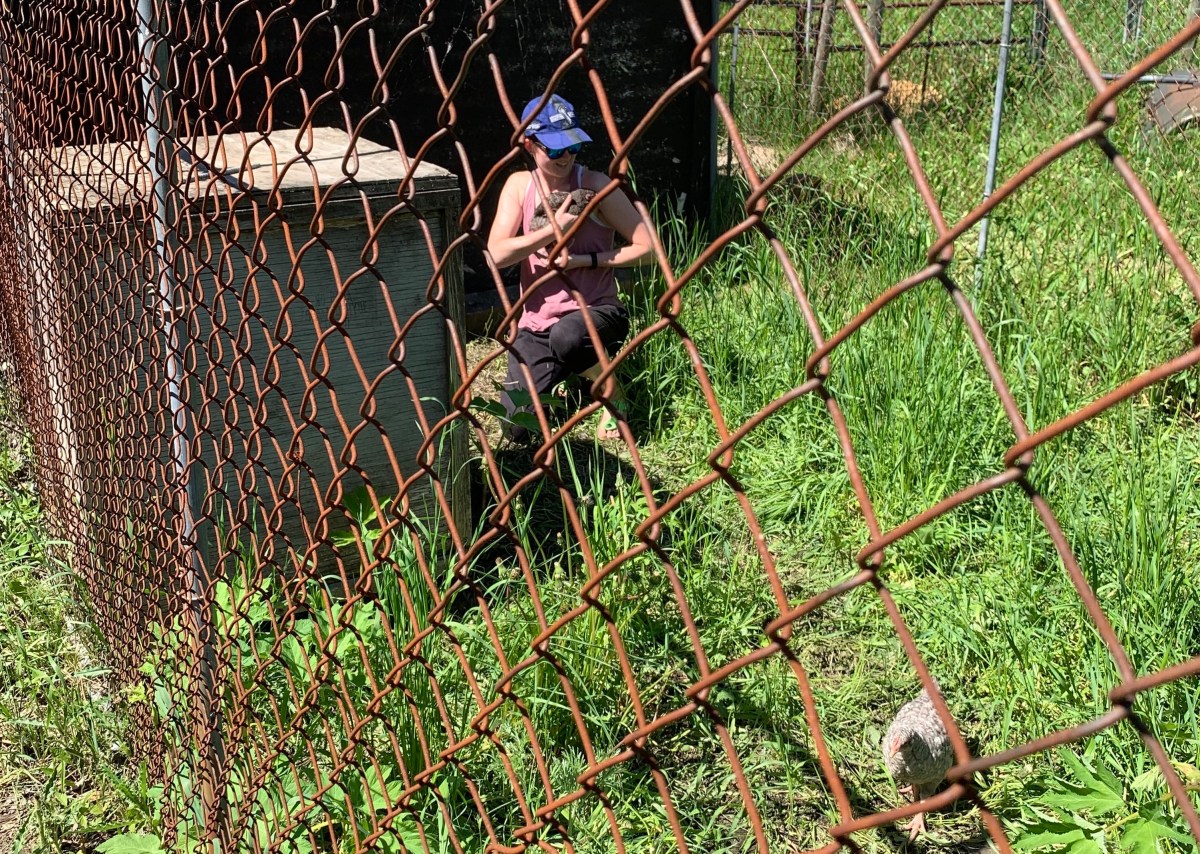
They took time to get used to their coop, opting to sleep outside for the first while. They have a varied appetite, eating bugs and even frogs in addition to the grainy feed we give them. Quickly the green, overgrown fenced area was reduced to prickly weeds as they ate what they wanted and skirted what they didn’t. If you compare the background of the early pictures to the recent footage in my video, you can see how the area changed. If you follow me on Instagram, watch the video there, but here’s an embed for everyone else:

It hasn’t been all fun and games, however. We have had one casualty during one of the freakishly hot heatwave days. We believe it was dehydrated or overheated, and it was the smallest one, as is nature’s way. We moved the water trough to ensure everyone was drinking and added shade to the enclosure. The remaining nine have stayed well since, fortunately. May it stay that way.
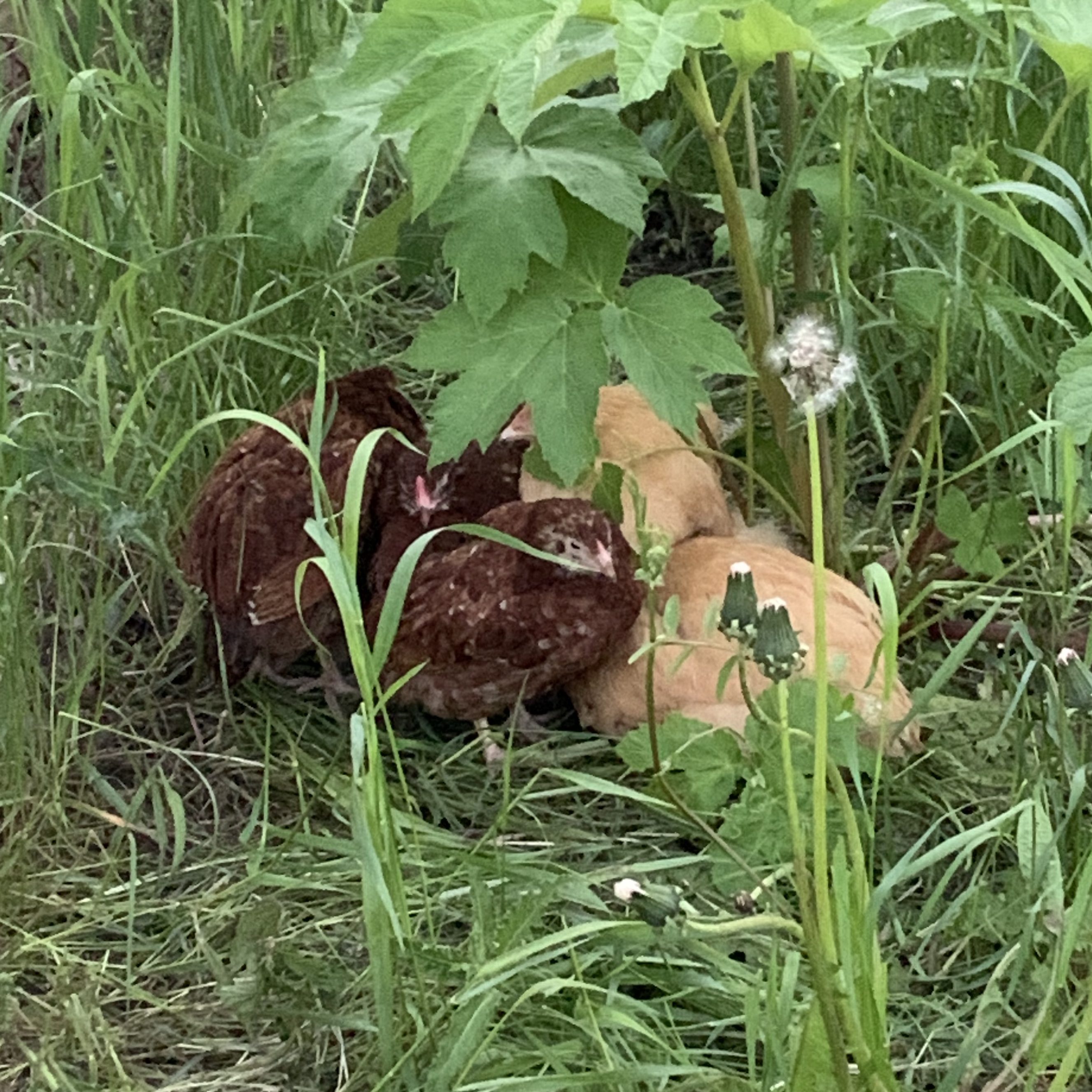
It must be comfortable under this tall, leafy plant.

The chickens have yet to lay eggs, not that they’re all hens. The waiting and research is all part of the fun! We still aren’t experts or farmers, but we are city folk with a little traditional experience true to our Albertan roots. It’s humbling to know all that we don’t know and add to our respect for the farmers and producers that keep us fed.

These city folks are spending less time in the city, preferring the rural lifestyle we got used to. The chickens’ peeps and shuffles are now a normal part of the landscape, and one day, we hope to get a good morning “cock-a-doodle-do.” Hopefully it’ll be followed by a meal with home-grown eggs! Stay tuned for updates and an invitation to breakfast.

By Shelby M
Categories
Uncategorized

How to Make a Memorable Story

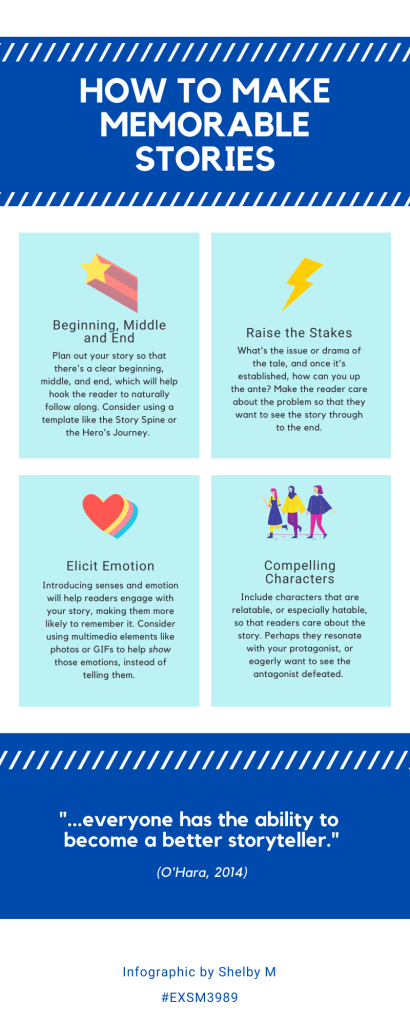
If your readers remember your story long after they read it, it must be pretty good. It means they’ll recommend it to others, perhaps even sharing it on social media and drawing attention to your brand or business. Without being able to tap directly into your readers’ brains, how do you increase the likelihood that your story will be memorable? A good start is to have an organized timeline, high stakes, emotion, and compelling characters.

Read more about each element in this infographic:

What stories will you write? Will your readers remember it? Good luck, authors!

By Shelby M.


Reference:

O’Hara, Carolyn. 2014. Harvard Business Review. “How to tell a great story.” https://hbr.org/2014/07/how-to-tell-a-great-story.

Categories
Uncategorized

My Story of Hair & Identity

My (first!) Twitter story tells of my recent hair journey of shaving my head to support a friend with cancer, and the reflections I’ve had on our society’s obsession with hair. It’s not entirely live, but by telling it from the start, when I was nervous and unsure about shaving it, I was able to add some suspense to the theme of norms or expectations around hair. I was already thinking about culture and identity, but I decided on that angle according to the finding by Tysnki (2019) that Buzzfeed’s most popular topic according to shares was identity, as well as the top theme within emotion-based categories. While those results are largely pertaining to Facebook, this story was told using Twitter best practices, making it more likely to perform well on that platform. Without further adieu, read about the beginning, middle and end of the process of shaving my long hair:

See the full thread on Twitter.

Using a Friendly Tone to Tell a Deep Story

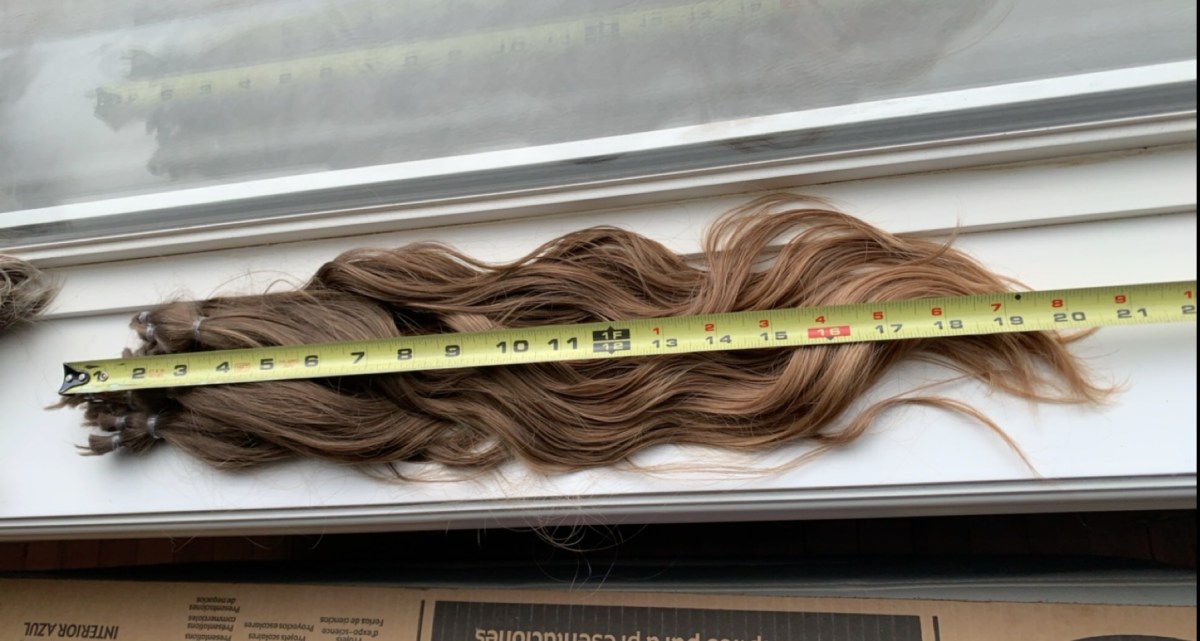
Goldschein (2019) recommended stories be written the way a person talks, which is what informed the tone of my story. While I could have used terms from sociology to discuss identity or culture, I told the story how I would naturally, making it more relatable and interesting. See for example my excessive use of capitals, showing emphasis as I would when speaking. I also took this author’s advice to use visuals, especially because my story lead well to visual interest with the shaved hair photos. While I write that I donated 20″ of hair, it works just as well to show the length of hair and drive the point home! Unfortunately in terms of graphics, the last GIF, which I found in Twitter’s library, was blurry when I saw it on the browser, which is a mistake I can learn from when selecting images.

Pointing to Emotion in a Relatable Story


In thinking about my potential audience, North Americans, I knew the topic of hair is one they’d be familiar with, making the story relatable as was suggested in the Module 3 video (Brown, 2021). To up the stakes and bring the story to life to readers, I used emotion–another recommended tool–to improve this story. I used the “fear in the middle of the night” example to vividly show my anxiety, or the anecdote of my grandmother’s angry response to make readers laugh and also remember a time they disappointed an elder. I don’t think this story needed emotion if it were to be an identity piece, but I think it helps keep readers engaged and will make them more invested to actually pause and consider what societal norms hold them back from, as is my final call to action.

Conclusion


Telling a story in ten parts was initially overwhelming, but breaking down a story into pieces was an interesting exercise. Like the suggestion by Educational Tutorials (2016) to have an 8-point story arc, ascribing parts of the story to points on a ten-part map helped keep the theme clear and the prose concise. For example, as Instructor Brown suggested to “write first, edit heavily,” I first drafted a story in a traditional format and then condensed and cut into the ten-tweet format. I was worried about using this snippet format, but it went better than I expected! I can already see how I’d improve for next time.

Thanks to anyone who read my story. I hope it inspired you to reflect on your own identity and judgements or stereotypes, and perhaps even has you considering doing something that you’ve always wanted to try, but are held back by fear of repercussion or standing out. Good luck!

– Shelby M

GIF by Sarah Klassen
Categories
Uncategorized

Take a Journey with the Outlander

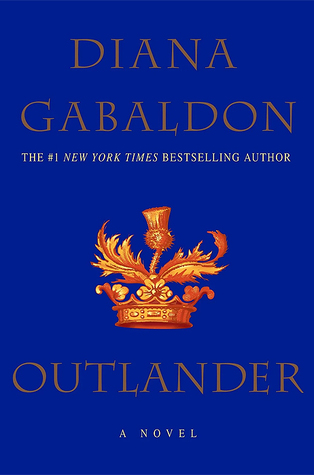
These days, when a person thinks Outlander, they likely think of the series that you don’t want to watch with your family around (available on Netflix). But have you heard of the moving novels that started it all? I am one of the patient bookworms that stuck through the eight long books–and I eagerly look forward to the ninth! When there are so many excellent historical fictions to read, why follow the tale of Claire Beauchamp Randall and her family time and time again? The author of the series, Diana Gabaldon, creates such an inviting, sensory world with characters you love, and hate, making a memorable experience that has always stuck with me.

What’s all the fuss about?

Oh, you haven’t heard of the books, or happened upon the show when looking for something to watch? Using the Story Spine, a method of outlining a story created by Kenn Adams, we can briefly cover the main concept behind this legacy of stories:

  • Once upon a time, a modern-day nurse gets married and goes on a honeymoon in Scotland.
  • Every day, they’re a happy newlywed couple enjoying the sights and engaging in historic activities, as she married a historian.
  • But one day, she is transported back in time, by herself and without supplies, and has to survive and hopefully find a way back to present time.
  • Because of that, she aligns herself with a clan in the area, even marrying Jamie (or in her case, remarrying), for protection.
  • Because of that, she becomes invested in the politics and health of the community, using her future knowledge for good.
  • Until finally, her and Jamie overcome many obstacles, face wars, and learn to better manage time travel.
  • And ever since then, Claire and Jamie have balanced the needs of the times and the future to come while regarding their families.

This very abridged spine could serve as the start of a long, multi-direction flow chart, as the implications complicate the story and add opportunities. The world that is created in the series feels so real, especially with the use of imagery and emotion, so while reading, it feels like you’re being transported there.

Why does it work?

In a 2017 Tedx Talk, Ashley Fell instructs that good stories should do the following four things: interest, instruct, involve and inspire. In the Outlander series, author Gabaldon expertly does all four:

  • Interest: The time period, setting and characters in the Outlander stories are captivating, and with the stakes constantly being raised, it’s interesting to follow along and read how the story develops.
  • Instruct: How should one behave in the past with modern knowledge? It’s not information we need to know (right?), but a fascinating question all the same.
  • Involve: The reader feels involved in the characters’ quandaries, being pulled in different directions just as much as the characters themselves are.
  • Inspire: The love story(ies) and even character growth inspires readers to dream of more, to aspire for the same fire in life and to hope for happy endings and redemption.

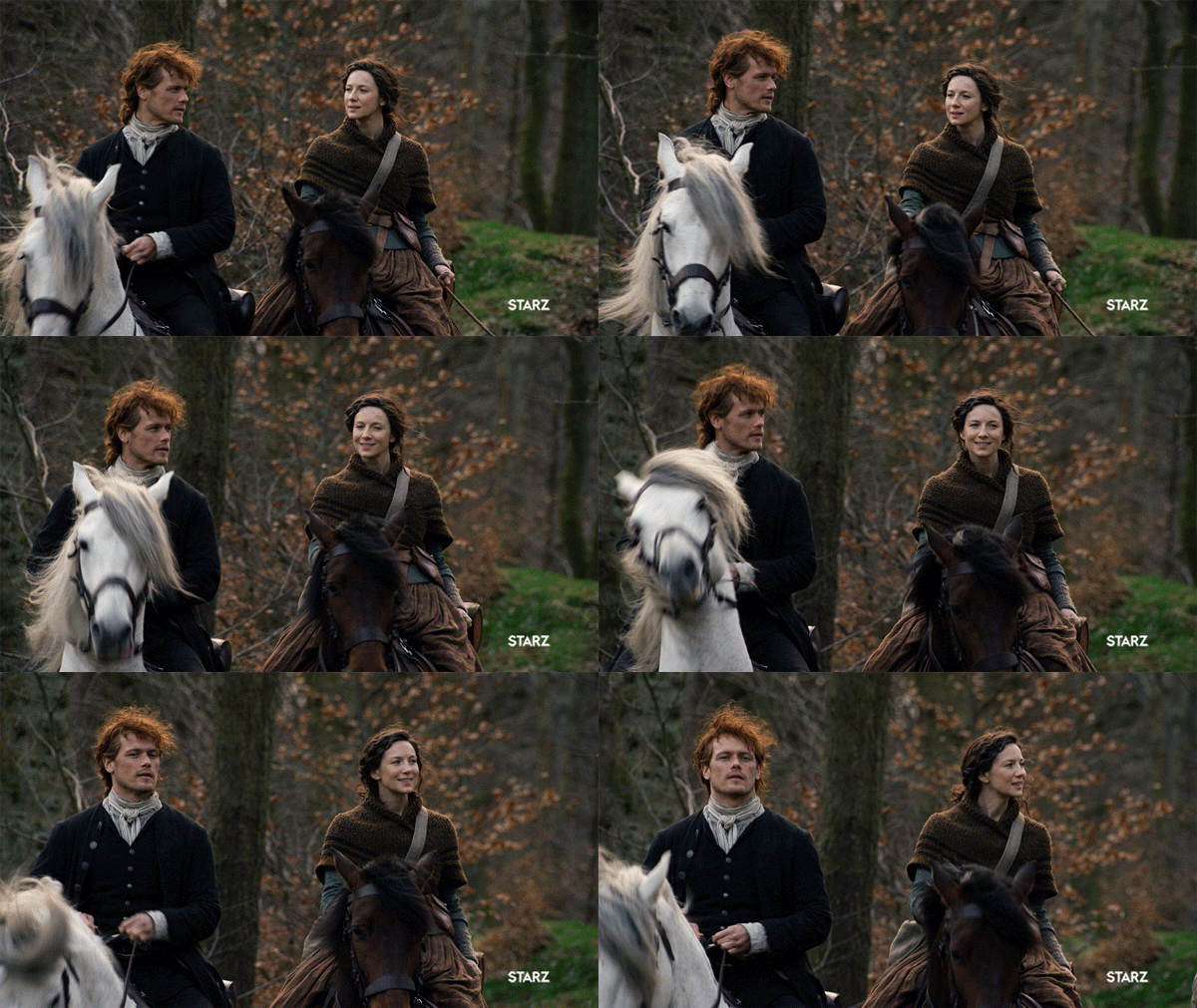
After introducing the Netflix show at the start of this post, you might imagine my conclusion will address the film adaptation. Prepare to be disappointed–as I was after just one episode! TV cannot simulate the experience of reading this tale, as no actor or actress matches the ones in my mind. Storytelling this good doesn’t need a TV adaptation, although I’m glad it makes the stories available to those that can’t read the thousands of pages to enjoy its traditional format. If you’re looking for a summer read, or a journey from the comfort of your home, I recommend embarking upon the Outlander series.

By Shelby M.

Design a site like this with WordPress.com
Get started