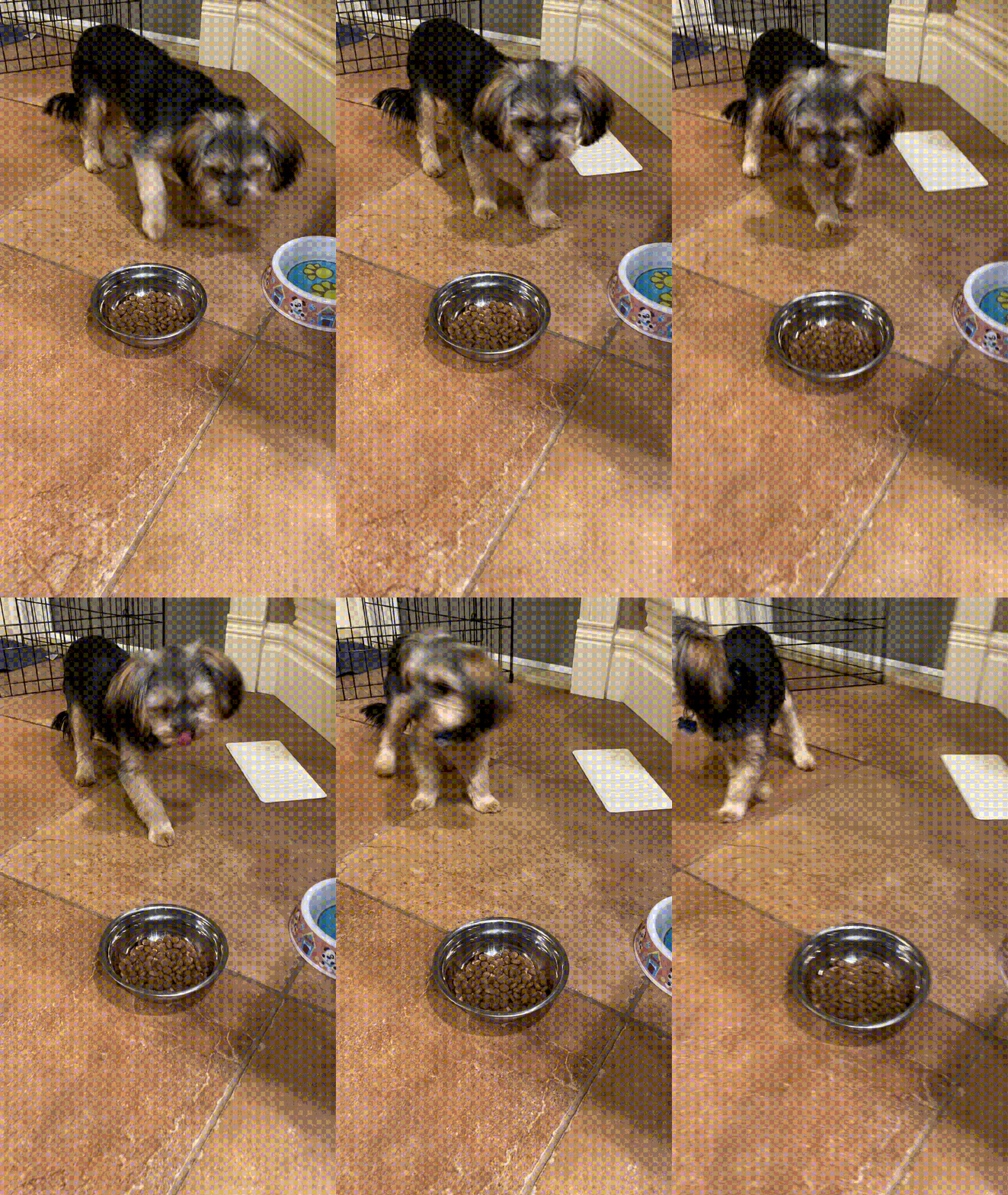
We tried placing the bowl in different locations around the kitchen, and separated the set, and tried a few other things, but Oscar just skirted around and backed away from the bowl, refusing to eat and looking forlornly at you with his big puppy-dog eyes.
Oscar’s not impressed with the bowl!
Even adding treats to the bowl couldn’t entice Oscar to eat. He would take pieces out and eat off the floor instead!
So, we did a little research and experimentation, checking out different websites such as Pet Dog Owner and Ruffle Snuffle and even asked questions on Facebook groups for Shorkie owners.
WOAH!
And that’s when we discovered the monster!
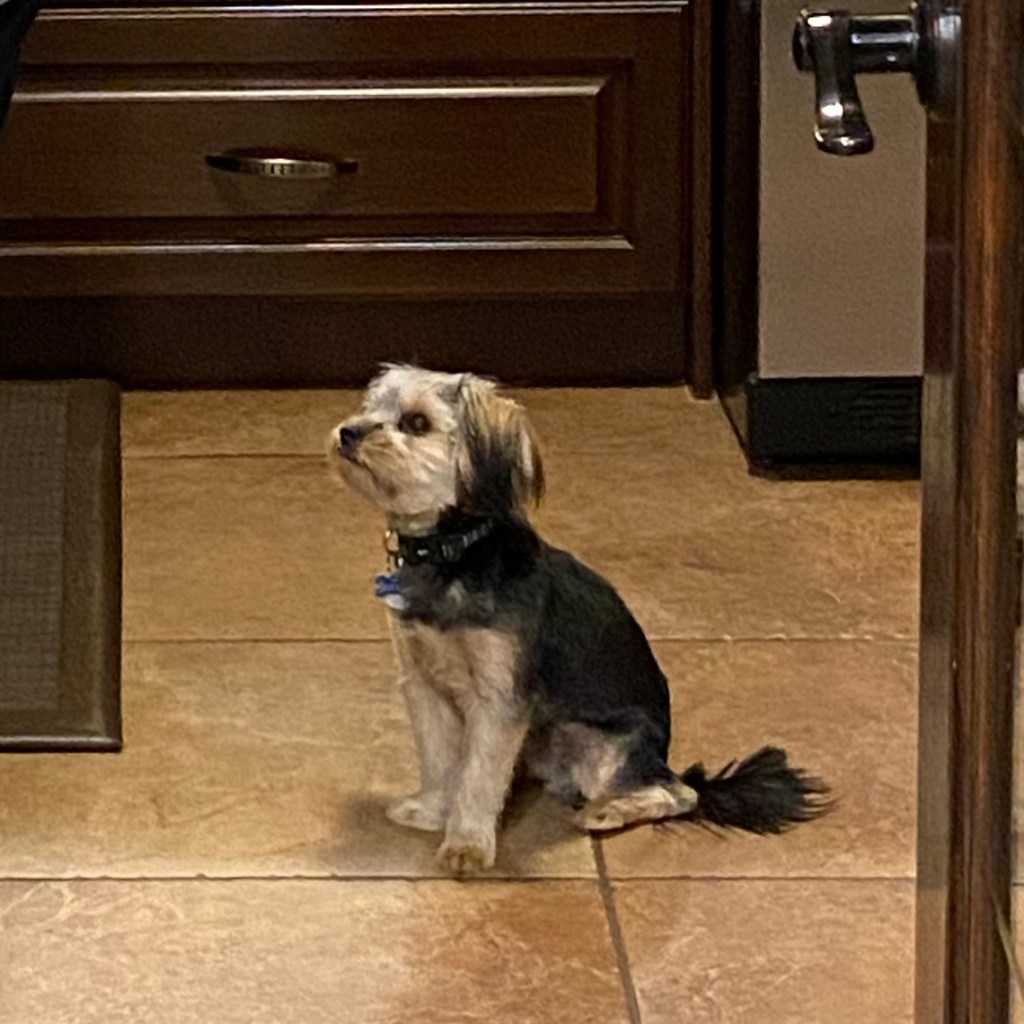
He knew when we were preparing a treat for his dinner and waiting so patiently, like the well-behaved puppy he normally is.
And then:
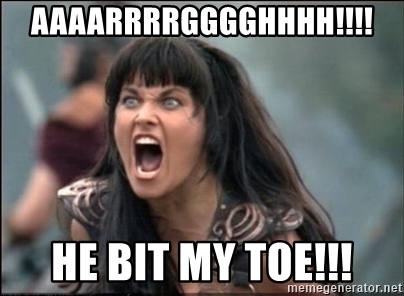
The crazed monster came out and even came after me, and tried to take a bite out of my toe!
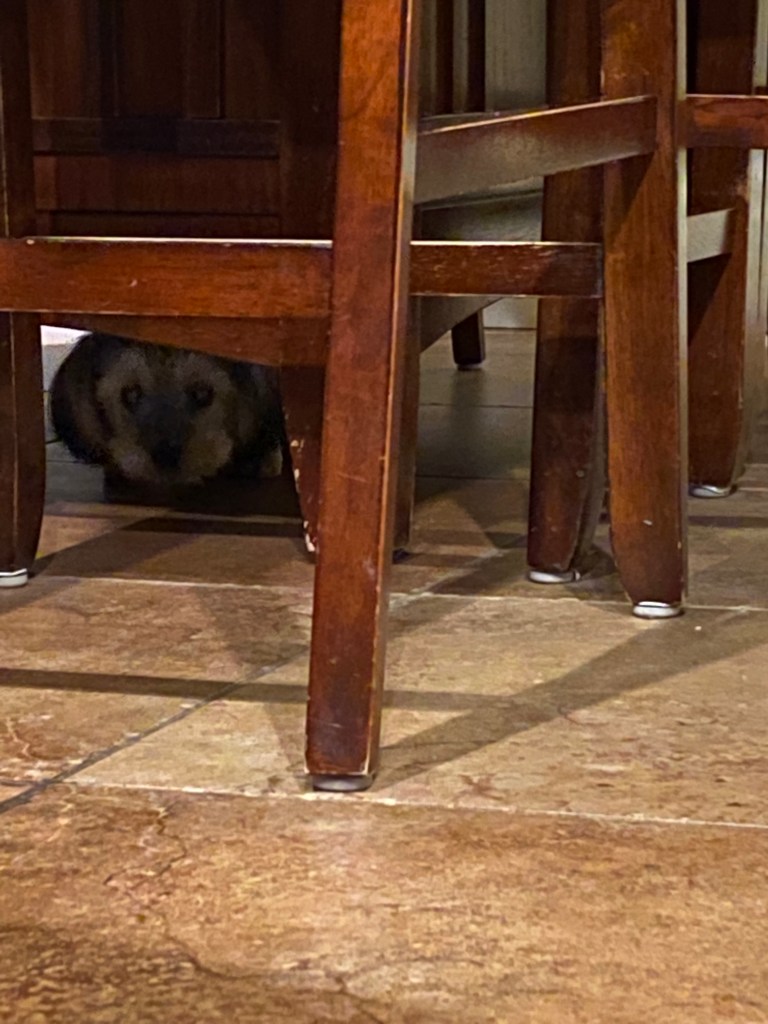
My scream must have brought him to his senses and he scurred away to hide.
And now he’s back to being his cute, adorable self.
But, when that time comes around, we watch for the lurking monster within!
Storytelling is a fundamental aspect of our lives. It doesn’t matter where you are in the world, chances are you’ve heard a few stories and have told some too! Stories are told in many different ways – by spoken word, in written format, by performance on stage or on tv, in graphic format, and the list goes on.
Telling A Story
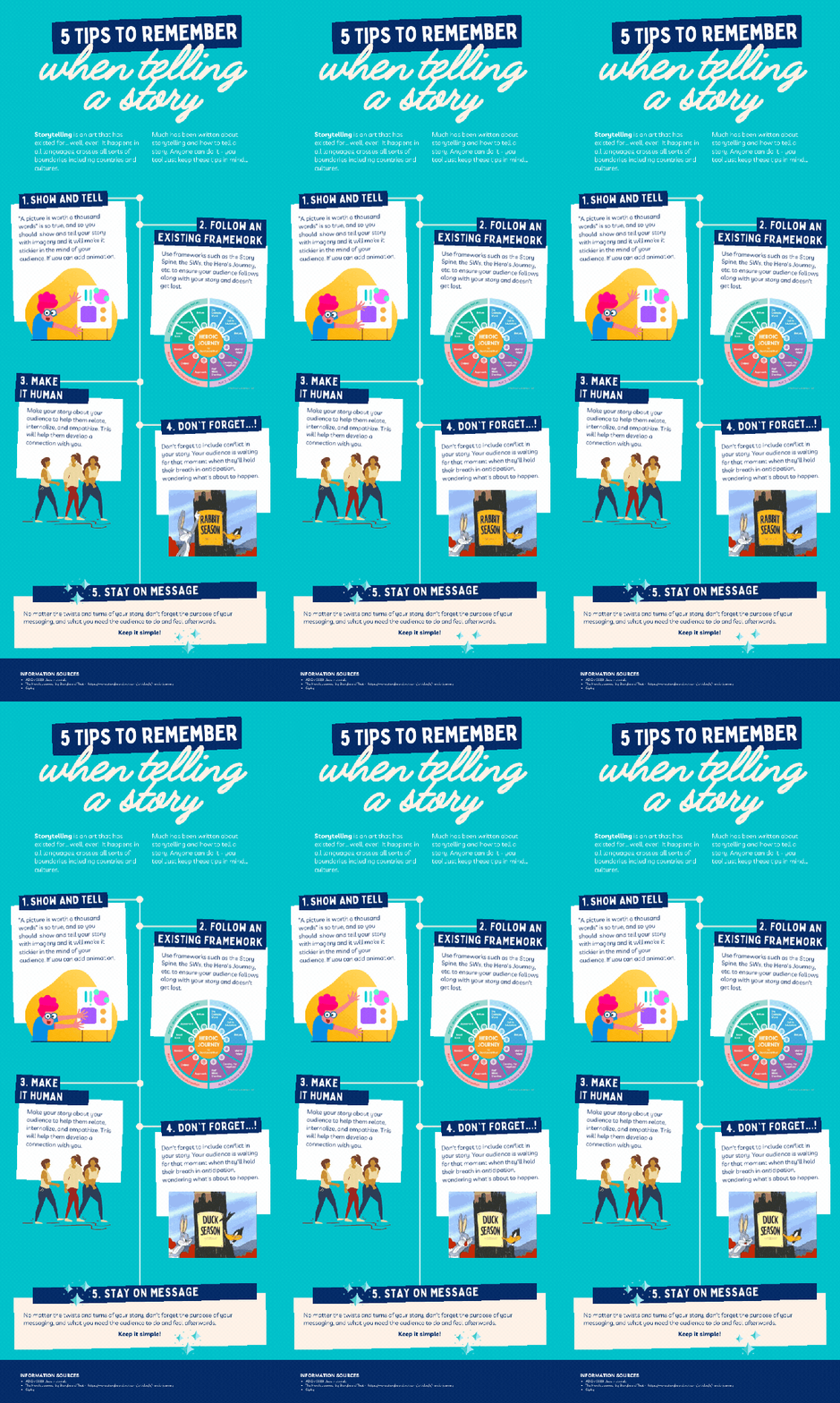
So, how do you tell a story? So much research has been done and so much has been written about storytelling. There’s actually a formula to it, and while there are several different frameworks you could follow, such as the Story Spine, Pixar’s rules, or the 5Ws, among others, they all inform essential pieces of the storytelling puzzle.
How Do I Deliver My Story?
Stories aren’t limited to children’s books or adult fiction. They are widely used in all aspects of life, including business where your brand story helps attract customers and ultimately sells your product or service.
The channels in which you can share your story are ever expanding and they provide the opportunity for creativity. This means you can take advantage of visual storytelling and include images, gifs, memes, infographics, video, and all of sorts of visual aspects to enhance your story and make it more memorable in the minds of your audience.
And that’s what it comes down to. You want to make your stories stick in the minds of your audience and visual cues are amazing at helping with that. After all, the human brain processes visuals 60,000 times faster than it does text.
Tips To Remember
When thinking about writing your story, whether its for your personal following or for your business, here are a few tips to remember:
The beginning: Everyone’s hungry and the decision is made. The middle: All ingredients are ready and we construct the pizza. The end: Everyone has eaten and left the table.
This was the easy part of live-tweeting the story.
Once upon a time, the family was hungry. Every day we have dinner. But one day, we decided to make pizza. Because of that, we made dough. Because of that, we chopped vegetables. Because of that, there were consequences to cutting some of the vegetables. Until finally, we constructed the pizza and had to wait for it to bake in the oven, before we could eat it. And, ever since then, everyone was satisfied.
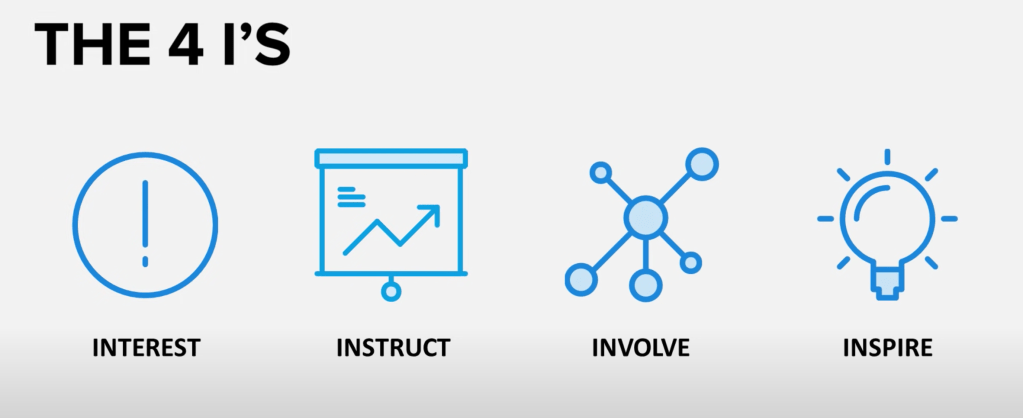
The 4I’s
Why storytelling is so powerful in the digital era | Ashley Fell
My story also involves the 4I’s:
Interest: How are we making this pizza? Instruct: Step-by-step instructions are included. Involve: Drawing in the audience with fun videos and graphics. Inspire: Showing easy instructions and a tasty photo of the finished product.
Statis: The family is hungry at dinner time. Trigger: The decision is made to make pizza. Quest: The ingredients are prepared. Surprise: There are consequences from chopping the onions. Critical choice: My story misses this point. Climax: The ingredients are all put together. Reversal: Emotions are high as everyone is very hungry. Resolution: Pizza is served.
In hindsight, I should have introduced a dilemma, such as a missing ingredient, but I didn’t plan for that.
In review
The main “character” in the story is the pizza itself, while my family and I are the support characters providing assistance and elements of conflict.
Thinking of my audience, I tried to use engaging and relatable imagery, including using fun gifs and slow-motion/timelapse videos. These short snippets are fun agents in stopping the audience from scrolling their feed and drawing them back to your story. It helps if they’re hungry!
Checking your grammar and ensuring you’re using hashtags can sometimes go by the wayside while live-tweeting. It can be difficult to have someone check that for you and on Twitter, as you’re unable to edit your tweets, it’s really important to stay on top of that.
This story seemed simple enough in planning and execution, but creating it was quite stressful in the moment! I think this reveals how important it really is to plan in advance as much as you can, and ensure you have all of the elements that you need to create a good story.
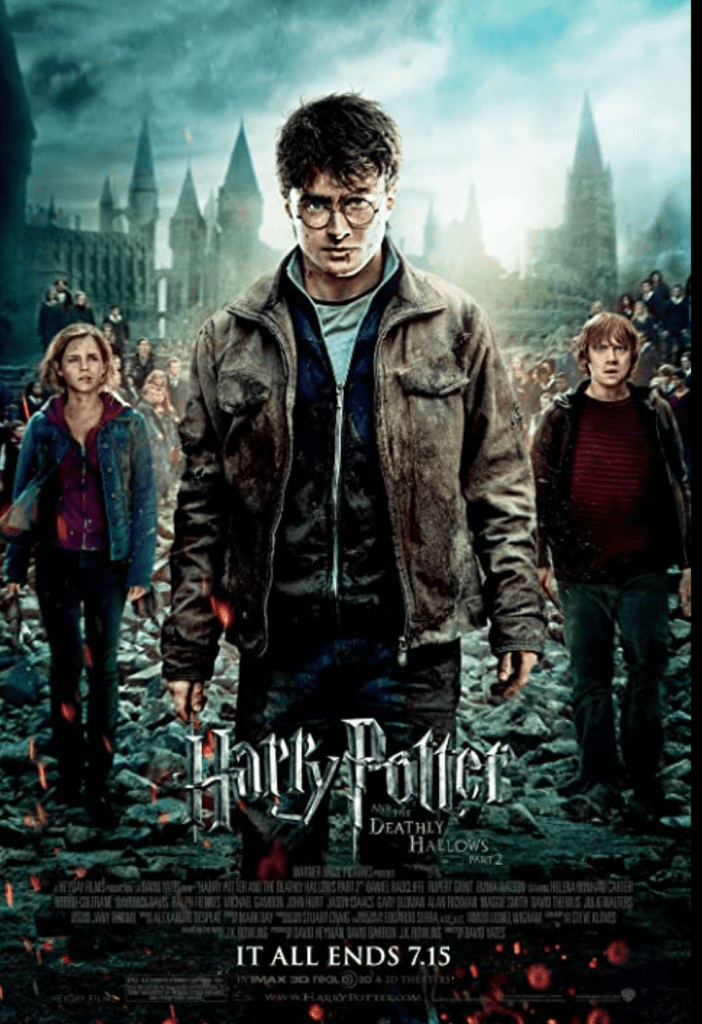
The story of Harry Potter is a story that I love. I’ve read the books, watched the movies, listened to the e-books, and visited the theme park! In fact, when I found out my sister hadn’t read the books or watched the movies, I insisted we do a movie marathon together the last time she visited (that was only two months ago)!
So why do I like it so much? Each and every book in the series, as well as the overarching story, are all well-structured and focused in their construction. They all deal with the same good versus evil narrative, and in fact, the the Story Spine doesn’t change:
Once upon a time, there was a boy who lived with his horrible aunt. Every day, this good-natured boy would be mistreated or bullied by his family. But one day, he was told he was a wizard. Because of that, he was able to go to a special school for wizards, and because of that, he made new friends and learned new things. And because of that, he learned what happened to his parents, and the evil things that caused him to lose his parents came back to haunt him. Until finally, he won the battle and good overcame evil. And ever since then, he lived happily ever after.
Each story seems to use every structural rule that is possible, from the journalists 5W’s and additional rules, to Ashley Fell’s 4I’s. Once the foundation is laid, it’s up to the latter 4I’s to really draw you into the story, and this is where I think that the story of Harry Potter is very successful. From an interest perspective, as children, we dream of living fantastical lives whether at home or school, and as adults, we may have the two-fold level of interest: the first being that we remember what it was like to be in school along with the trials and tribulations of being a teenager, and the second being, as an adult who may actually deal with teenagers!
These stories draw you in with parallels to reality, and keep you guessing as to what’s going to happen next.
These stories naturally instruct us, as they’re based on school life! Additionally, they include the moral compass, teach ethics, virtue, and values along the way. The stories compel you by drawing on real emotions, feelings, and experiences that are felt by everyone. You might have known someone who looked like or acted or behaved like one of the characters. You may have been treated the same way, experienced similar excitement or trepidation. And in the end, with good overcoming evil, we are inspired by the strength, integrity and courage that brings our story to the end.
I think these stories are special because we grow up with them. While the story itself is the age-old good versus evil plot, we become invested in the lives of the characters as if they’re someone we know personally, and we want them to succeed. We are immersed in that whole journey with them, and while there are obvious areas where we suspend our disbelief, their development from unsure, innocent children to mature, confident teenagers is very real, and we celebrate their success with them.
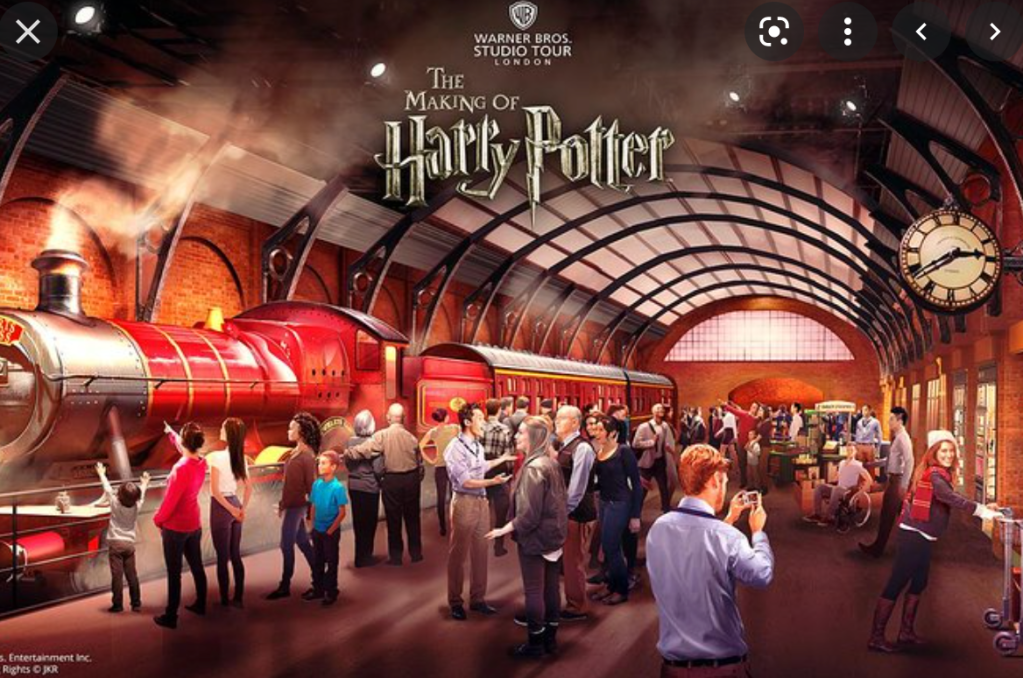
The stories have also been successfully translated into so many other mediums. They started off as physical books and have been translated to audio books and movies. There are many fan websites, such as Wizardingworld.com, formerly Pottermore, where they encourage people to get involved in different activities and clubs. Sightseeing and studio tours, theme parks and vacation packages and interactive toys have all sprouted from these stories, making them truly multi-media!











 EXSM 3989 - Digital Storytelling Class Blog