Categories
Uncategorized

At the Edge of the Earth

24 hours previously

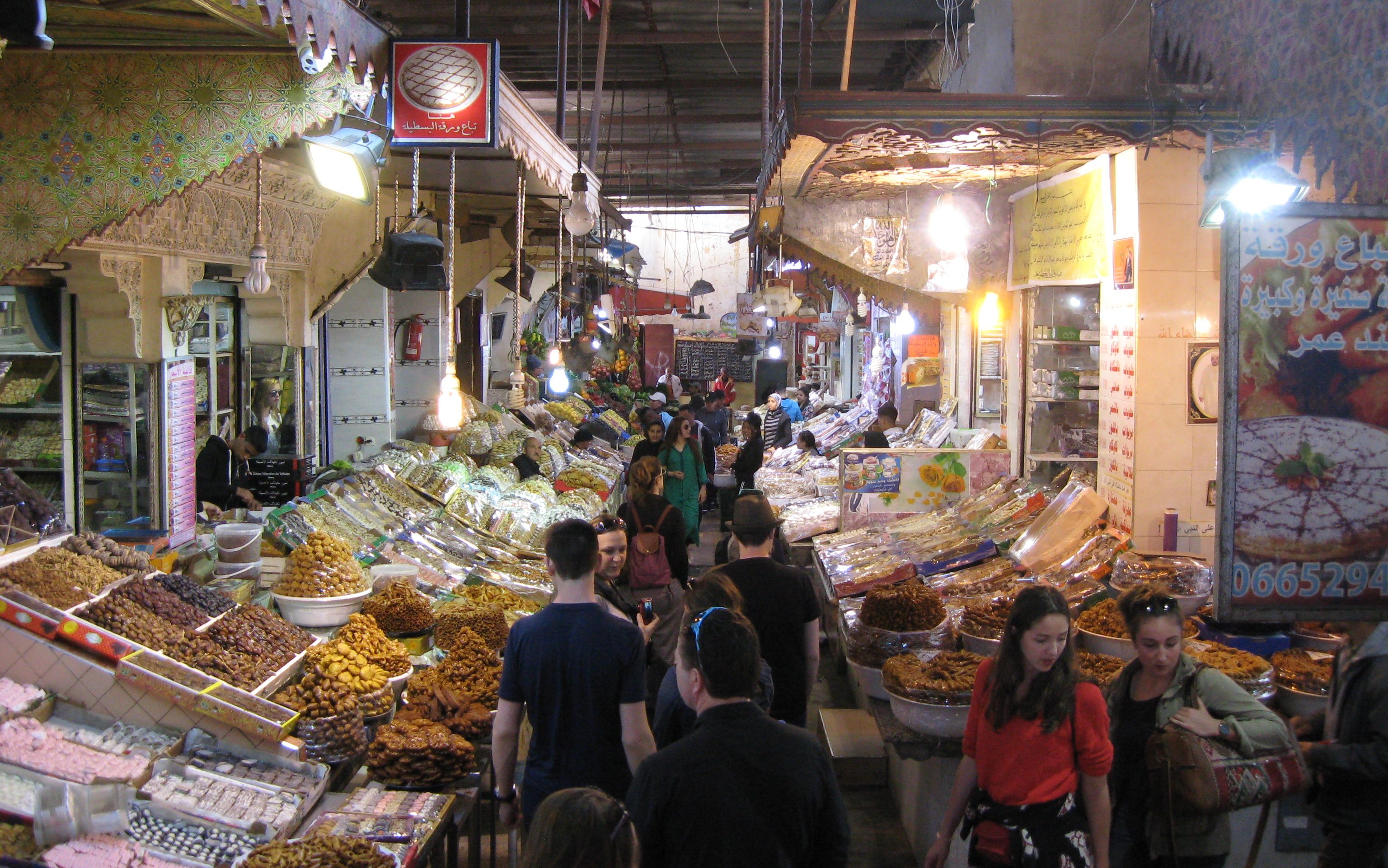
24 hours previously, I had been in a loud, bustling market among a throng of people, where the sumptuous spices of ginger, cumin, paprika, turmeric, and saffron filled the warm air.
The next thing I knew

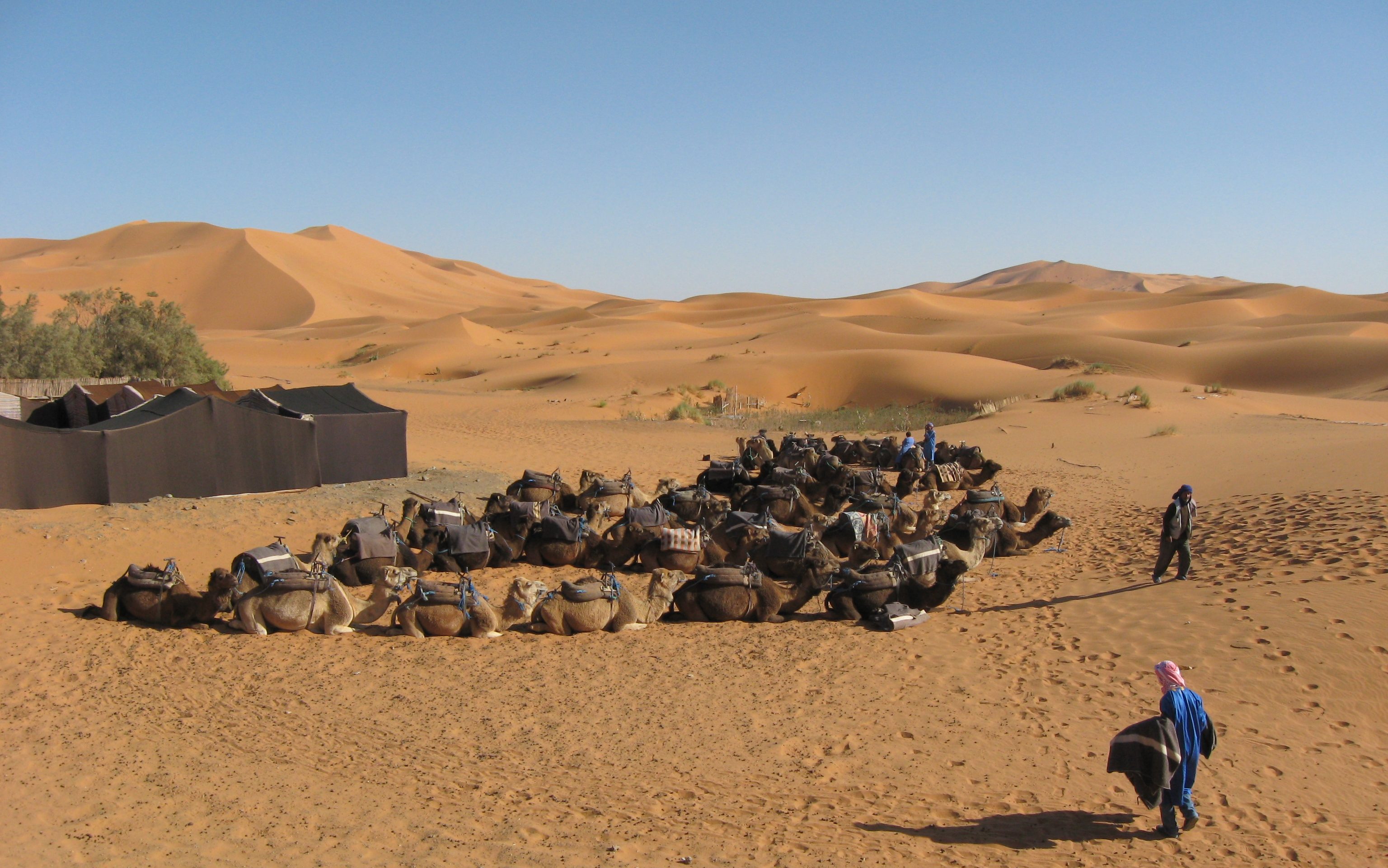
The next thing I knew, I found myself bouncing along a rutted, dirt road at the edge of the desert with a parched throat from the arid, dusty air. The van pulled up to a small encampment of low shelters, nearby a flock of camels sat under the sun. I paid the driver, grabbed my backpack and walked up to one of the men tending the herd. For a negotiated price, he saddled one of the beasts, helped me to get on and handed me the reins. I then headed out into the barren landscape, effectively deserting all my worldly comforts.
This trip to seemingly the middle of nowhere

This trip to seemingly the middle of nowhere is my attempt at consciously disremembering, at losing myself. As the proverb goes ‘solitude is often the best society,’ but as the last hints of humankind recede into the distance, I’m not so sure anymore.

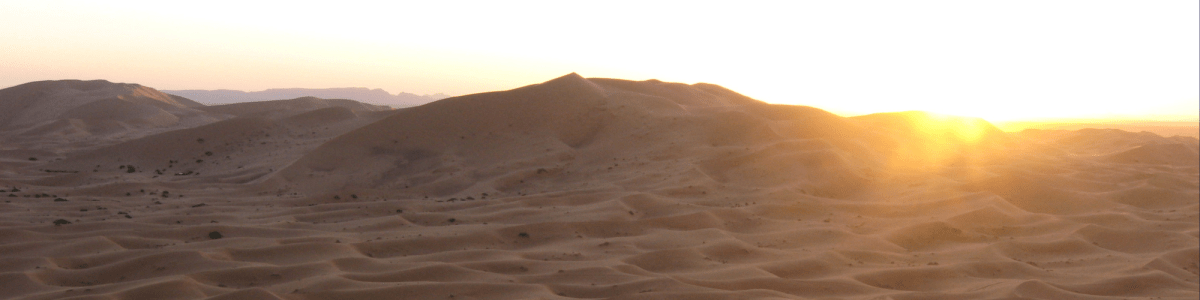
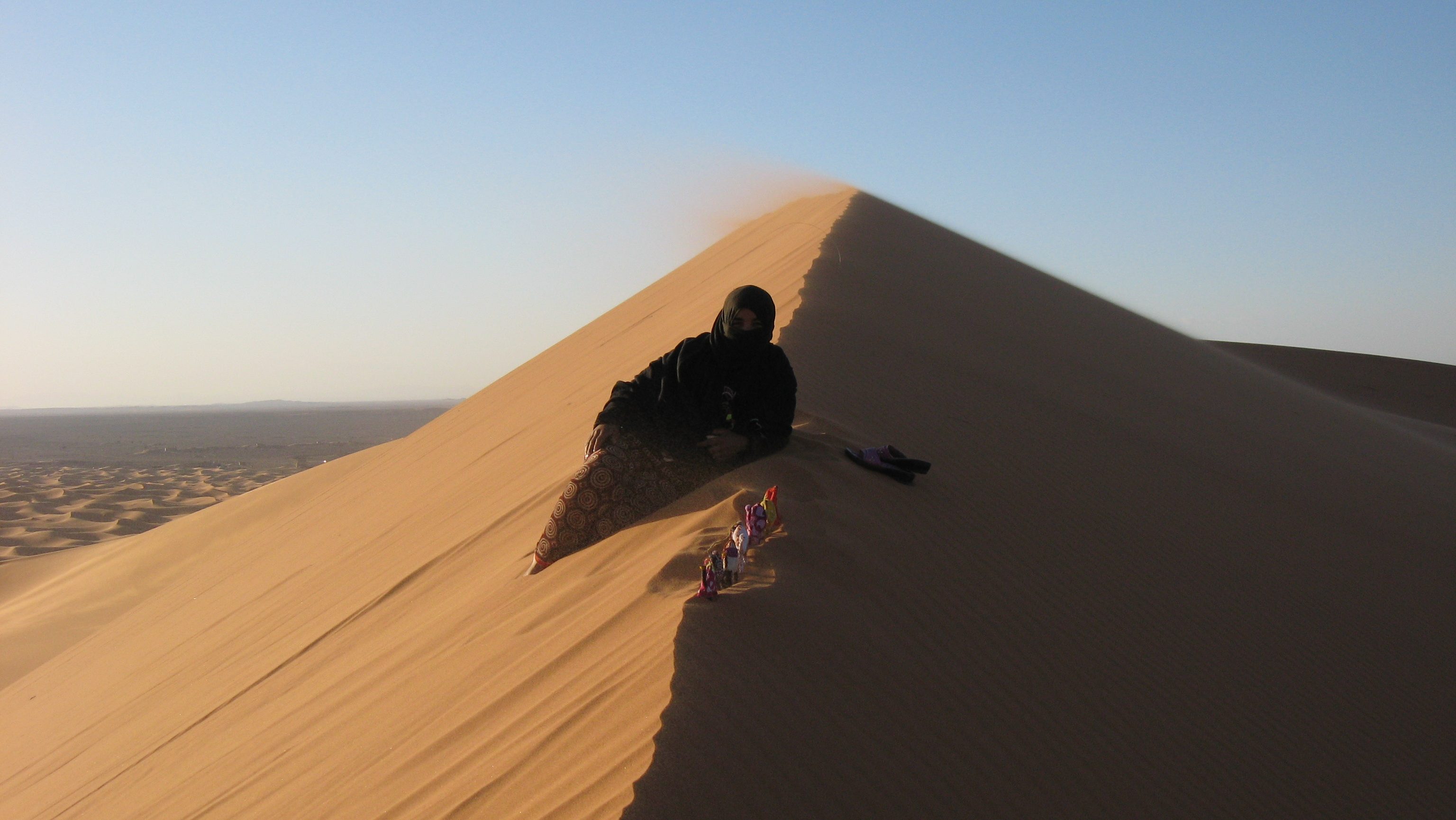
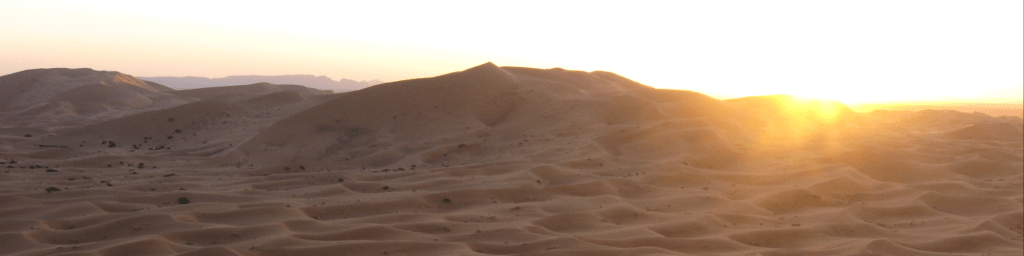
Now out here in the desert, atop a sand dune, I find myself face to face with a mysterious woman I name “The Girl.” Part of her face is veiled, as is mine to keep out the blowing particles of sand. Despite the many boundaries that divide us, I look into her eyes and see kindness and warmth, a stark contrast to the desolation and chilly temperature that envelop us.
The sun sinks below the horizon

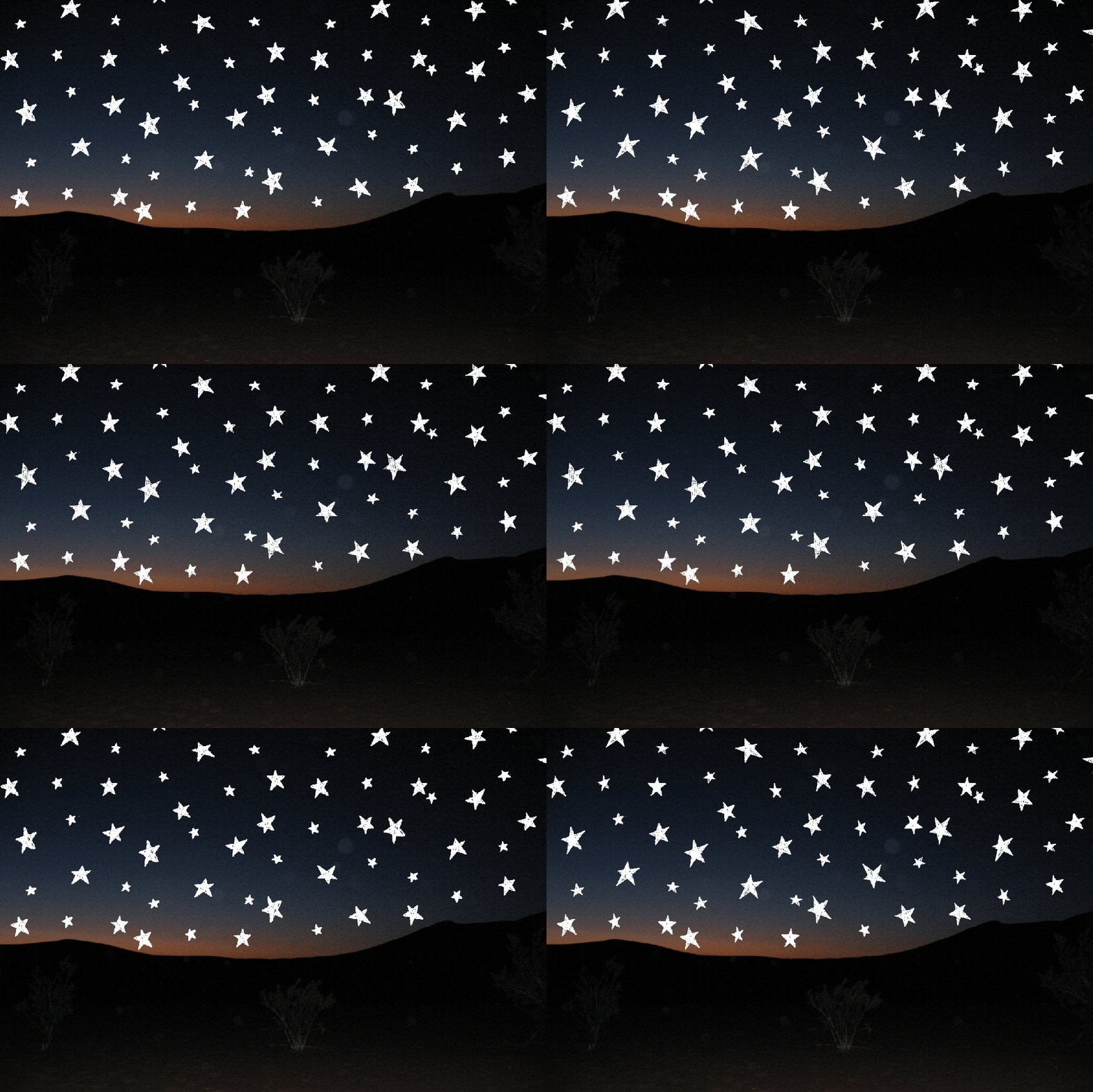
The sun sinks below the horizon, and the stars begin to twinkle above. The Girl welcomes me to join her around her fire; the crackle and soft glow of the flames are mesmerizing. She breaks off a chunk of bread and sets it on a blanket near me. I eat it greedily.

With a full stomach, it dawns on me that while seeking solitude, I only found loneliness. But now, in the presence of The Girl, I can’t recall ever feeling more at peace as a wave of tiredness washes over me. I lay my head down and fall into a deep slumber.
The first rays of light

The first rays of light touch my face, and I slowly open my eyes. I am enveloped in a blanket I don’t recall bringing with me. A memory stirs, there was a girl. I look around for her but find only Chewy looking lazily at me. Where is she? Renewed in spirit and soul, I climb into the saddle of my desert ride and let him carry me back to humanity. A placid smile forms on my lips as I come to the realization that weathering desolation has revealed an inner strength I didn’t know I had. I’m ready to go home.

I found “The Girl” at the edge of the earth, but in truth the real girl I found, was me.
Go behind-the-scenes

Get a behind-the-scenes look into the making of this short story.
Categories
Uncategorized

The 4 I’s you need to know for optimal storytelling

In her TEDxUniMelb Talk “Why storytelling is so powerful in the digital era,” communications specialist Ashley Fell explains that in this evolving digital era characterized as the “great screen age,” visual storytelling has become more important than ever.

As screen-time increases and attention spans decrease, it is becoming vital to appeal to the visual mind. In fact, our brain responds to, and processes visuals, a whopping 60,000 times faster than text. Because of this, Fell argues that the way to effectively communicate a message or information which can be productively processed by the brain is to use principles of good storytelling.

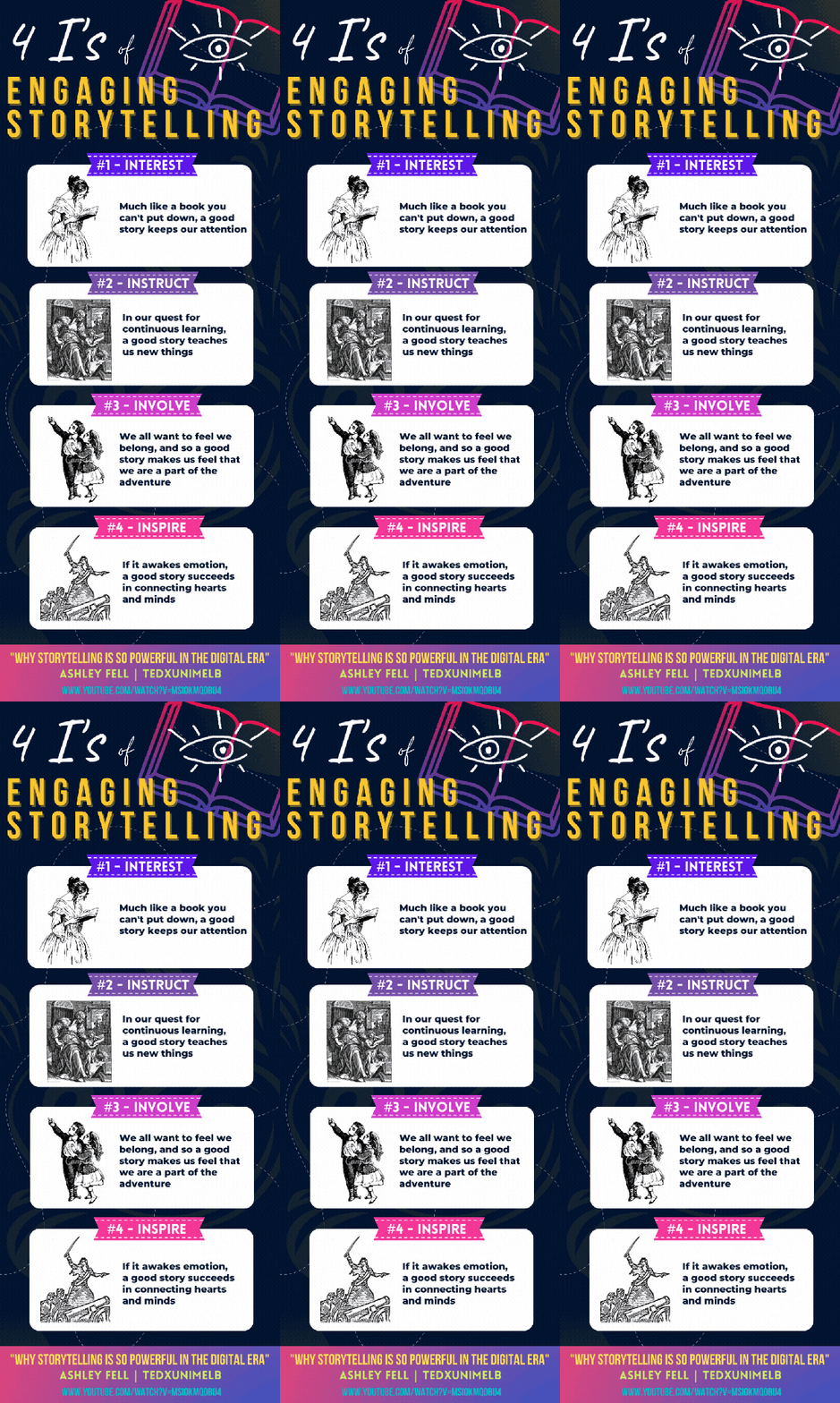
For Fell, an engaging story, no matter what the medium, includes the four I’s – good stories create interest, they also instruct, involve and inspire us.

Let’s take a closer look at each:

  1. Interest – a good story succeeds at maintaining our attention, such as through a good story arc with a rise in tension. We become invested in the action and want to know what happens, how the tension is resolved.
  2. Instruct – for a story to have meaning, there has to be some sort of value for the listener which can present itself in the form of a ‘how to,’ ‘lesson learned’ or moral of the story each of which provide a teachable moment that will often be what the audience will remember when the story ends.
  3. Involve – making someone feel they are a part of the story gives them a stake in the story itself. Thus, the audience goes from a passive, listening role to an active, participatory one.  
  4. Inspire – when a story can create an emotional response from the listener, it succeeds in being more relatable and thus memorable. This is what Fell describes as connecting our minds and hearts. People probably won’t remember your words but they will remember the emotion those words brought out.

“[A good story] connects not just with the eyes of the head but with the eyes of the heart.”

– Ashley Fell, TEDxUniMelb

In closing, remember that stories are visual even without the use of pictures, so choose not only your visuals but your words wisely!

Categories
Uncategorized

A taste for adventure

Recently, I undertook to curb my boredom by attempting to bake a date and walnut loaf using a recipe from an 80-year-old reproduction cookbook.

Published in Manchester, UK, in 1940, a year after the start of the Second World War, the cookbook entitled War-time cookery to save fuel and food value, was meant to provide housewives with economical kitchen tips to preserve energy as well as maximize wartime rationed food such as bacon, butter and sugar, all while providing nutritious meals to keep their family healthy and strong.   

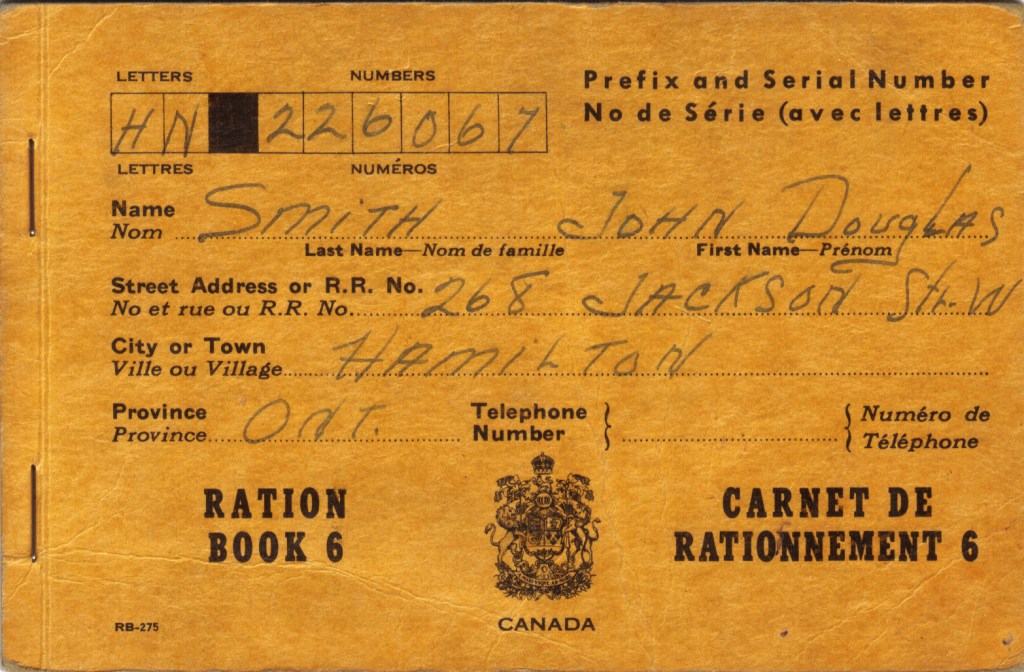
Example of a Canadian wartime ration book with coupons (wartimecanada.ca)

As the action happened

This little foray in historic cookery was chronicled on my Twitter feed. It recounts how this adventure all started, the snags I encountered along the way, the doubts, and the final verdict of how it turned out.

This was an adventure for several reasons, namely I’m not use to Imperial measurements! But that was quickly resolved thanks to a great website I found for converting kitchen measurements. This allowed me to continue with the recipe and took the guesswork out of the measurements.

Also, there is no oven temperature given in the recipe, just the instruction to bake in a ‘slow oven.’ After a bit of research, I found that a ‘slow oven’ is approx. 300-325 degrees Fahrenheit. I’m sure my Great-Grandmothers would have known exactly what that meant!

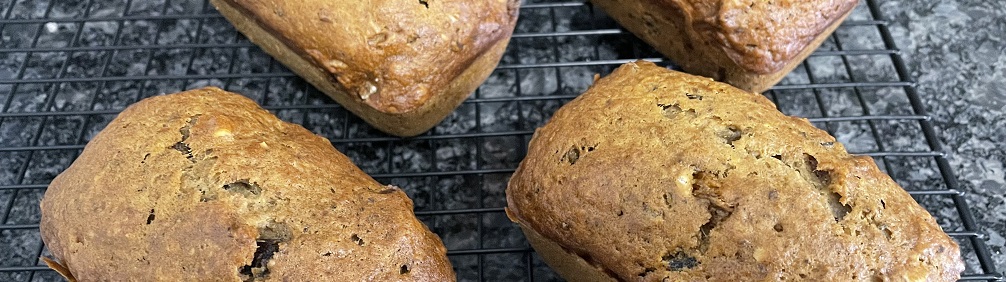
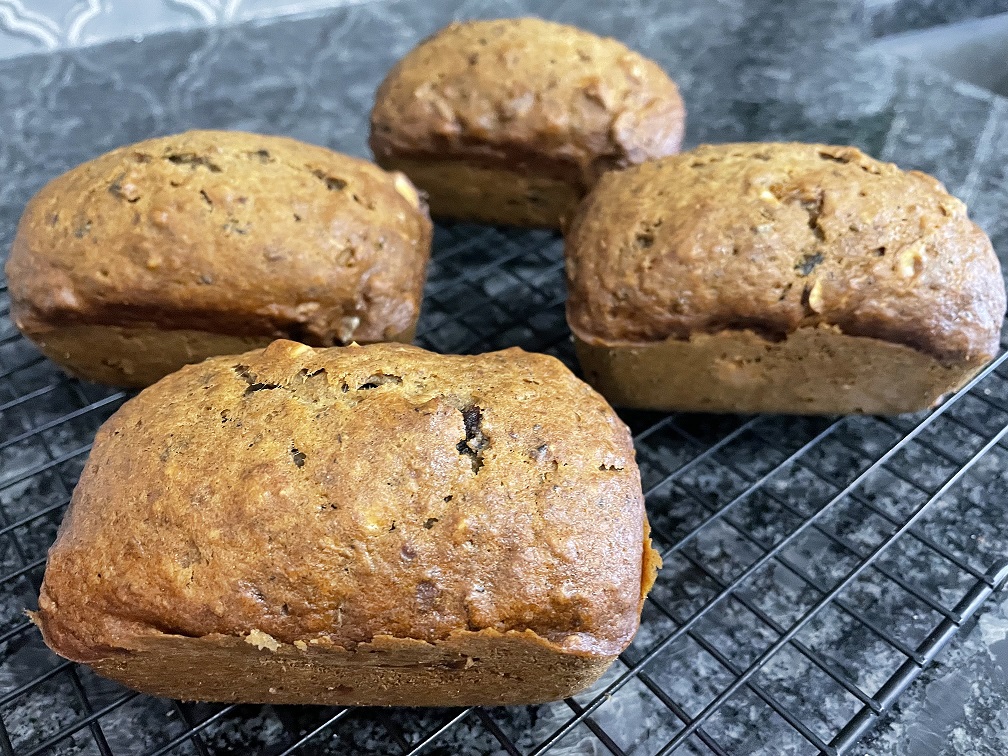
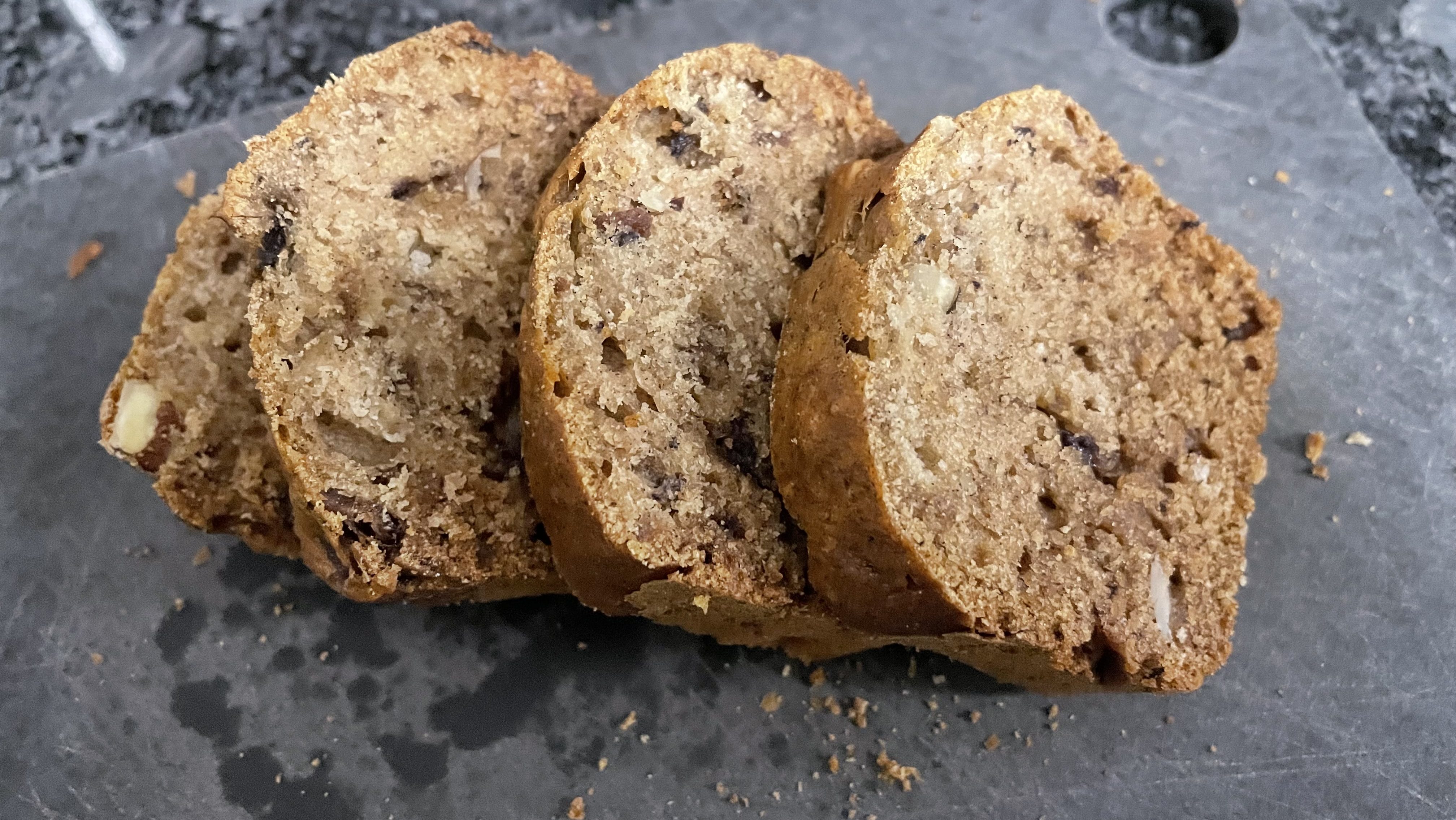
Four mini date and walnut loaves based on a 1940 wartime economy recipe.

Why this recipe?

Why did I choose to make this particular recipe? For one, I consider any kind of loaf to be comfort food. I was also drawn to the date and walnut loaf because every Christmas my mom makes her grandmother’s walnut loaf recipe, and I wanted to compare the two recipes – one from generations ago and the other from 1940.

While not necessarily exciting or going to win any baking titles, the 1940 loaf was surprisingly delicious. I thought it might need a little sweet toping to help it going down better, but not so as the loaf was moist and flavourful.

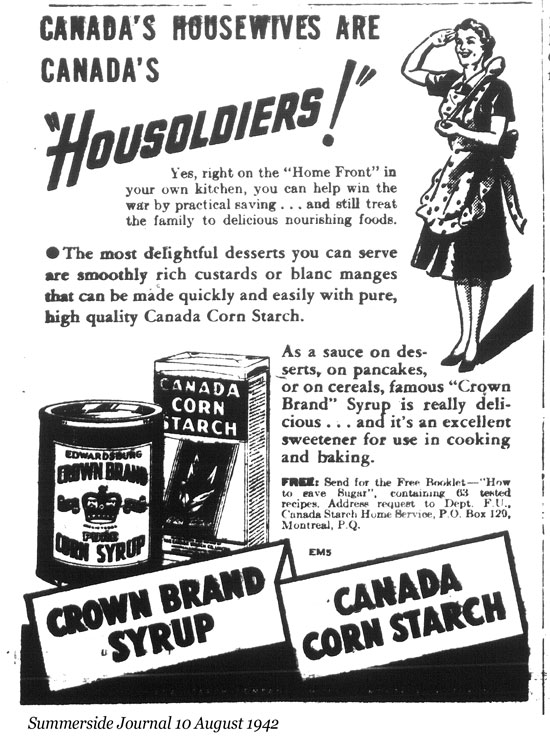
The choice of this particular cookbook was my attempt at connecting with history, in particular an episode of the past which had such far-reaching impacts around the world. During the Second World War, food was considered a ‘weapon’ that could help will the war, and women seen as ‘housoldiers’ who played a critical role in the war effort on the home front.

Wartime ad targeted to women on the home front (wyattheritage.com)

Bonus recipe

Here’s a transcript of the recipe should you want to give it a try yourself!

Date and Walnut Loaf
  • 1/2 lb. dates
  • 1 teaspoonful bicarbonate soda
  • 1/3 pint boiling water
  • 1/2 lb. flour
  • 2 ozs. margarine
  • 3 ozs. sugar
  • 1 level teaspoonful baking powder
  • 1-2 ozs. chopped walnuts
  • 1 egg
  • Salt

Stone the dates and mince or chop them small. Sprinkle with the bicarbonate of soda, pour on the boiling water, and leave to soak. Rub fat in flour, add all other dry ingredients. Add date mixture when cool, and then beat egg. Put into two greased ½-lb. bread-tins, and bake for one-and-a-half hours in slow oven.

Thanks for your interest and keep in good taste, friends!

Categories
Uncategorized

“You’re not thinking fourth-dimensionally”: A Study in Storytelling

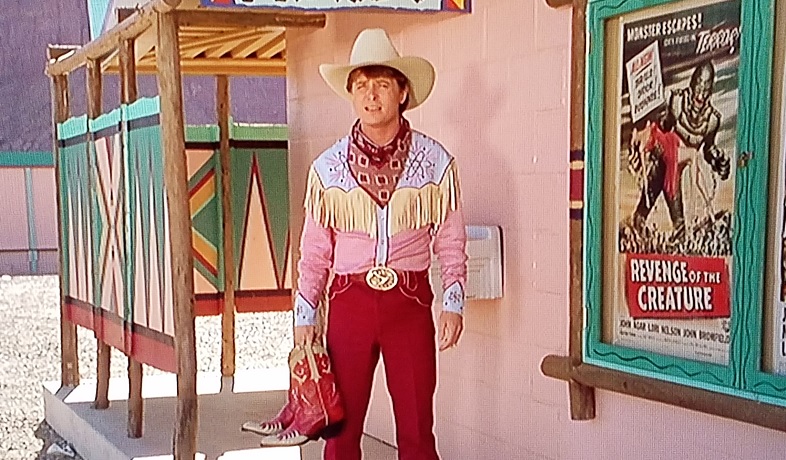
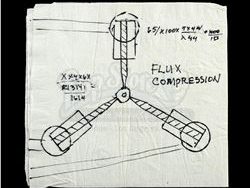
For a certain sci-fi fandom, words such as “DeLorean,” “gigawatt,” “88 MPH” and “flux capacitor” can only mean one thing: the BACK TO THE FUTURE trilogy. The adventures of Marty and Doc as time-tourists, told through three original motion pictures, have been one of my favourite stories since childhood.

When released, the first Back to the Future (BTTF) movie was an immense success becoming the highest grossing film of 1985. Two sequels were soon added, and since then the trilogy has inspired a theme park ride, cartoon series, merchandise and, most recently, a musical.

What makes this science fiction story a timeless classic for countless adoring fans, myself included? Let’s examine some of the basic storytelling principles at work in BTTF.

The Driving 88 MPH Question

For starters, the plot’s genesis was a simple question from co-creator Bob Gale: if he and his dad attended high school together, would they have been friends? For Alison MacAdam, having a question that drives the story is key at the beginning of the creative process. In her article “Beyond the 5 W’s: What should you ask before starting a story?,” she explains that this question provides the storyteller with a mission. From Gale’s initial question, a great story was born.

If we break BTTF’s story down to its Story Spine, a tool described by Kenn Adams in his article “Back to the Story Spine,” it would read something like this:

  1. Once upon a time, there was a typical American teenager named Marty McFly who was friends with an eccentric scientist named Emmett L. “Doc” Brown.
  2. But one day, Marty gets sent to the past (November 5, 1955 to be exact) in Doc’s time machine.
  3. Because of that, he must locate 1955 Doc to help him get back to the present.
  4. Because of that, he runs into his future parents setting off a chain reaction that puts his very existence in danger.
  5. Because of that, he must first work to make things right so that his parents fall in love before he can get back to the future.
  6. Until finally, Doc helps him successfully return to his life in 1985 (which is somewhat altered because of his adventures in 1955).
  7. Ever since then, cue the sequels!

Nobody calls me chicken: the endearing protagonist

At its most basic, the BTTF story is not only simple and focused, but it also provides an endearing character to root for in the form of Marty McFly. These fundamental elements are described in the article “The 22 rules of storytelling, according to Pixar,” in particular rule #16 which stipulates that the audience needs a reason to cheer on the protagonist who has the odds stacked against them when the stakes are high.

To quote the U.S. National Film Registry (of which BTTF is an inductee), Marty “must not only find a way home, but also teach his father how to become a man, repair the space/time continuum and save his family from being erased from existence. All this, while fighting off the advances of his then-teenaged mother,” oh, and not to mention do it all with enough time left to be in the DeLorean going 88 MPH precisely as the Clock Tower is struck by lightning. With so much high-stakes drama, the audience must hang on for a wild ride!

Whoa, this is heavy: the universal space/time continuum conundrum

BTTF’s story succeeds and resonates with audiences because it addresses an ageless and universal issue: time travel. Whether a trip to the past or the future, who among us, from school-aged children to NASA scientists, hasn’t at some point pondered this fundamental question?

For myself, this fascination with time travel has gone hand-in-hand with my love of history and longing to magically travel through time to witness historic moments in the making (and hopefully return unscathed to the present!).

In the end, there are many elements that make this story memorable to audiences. Certain images from BTTF, like those mentioned in the opening paragraph – as well as others such as Mr. Fusion, hover conversion and hoverboard – have become iconic, leaving indelible impressions upon our imagination.

But perhaps most compellingly, the lasting message from these movies is one of optimism: you control our own destiny. As Doc so eloquently puts it in BTTF III: “Your future hasn’t been written yet. No one’s has. Your future is whatever you make it, so make it a good one!”

Your kids are gonna love it: a touch of nostalgia

To end on a personal note, the BTTF trilogy is not only a great story but, from a nostalgic and emotional perspective, it will forever live in my heart because of the cherished memories I have of spending time with my family watching these films together. The number of movies we agree on as a family is few and far between, but BTTF has always been, and will always be, a story that units us and one we all love – Great Scott!

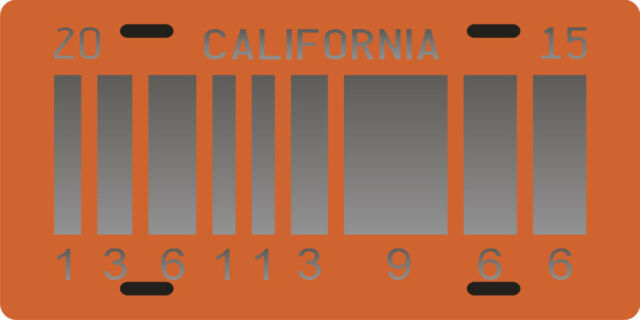
The creators of BTTF imagined license plates of the future (2015) to be barcodes.

If you put your mind to it, you can accomplish anything.

– George McFly

If you love all things BTTF, be sure to check out the official site:

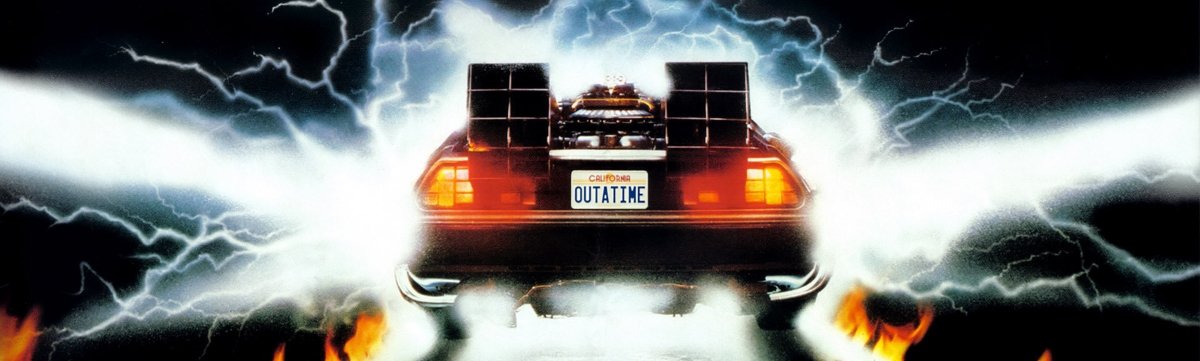
~ OUTATIME / The End ~

Design a site like this with WordPress.com
Get started