Categories
Uncategorized

The Search for Grace

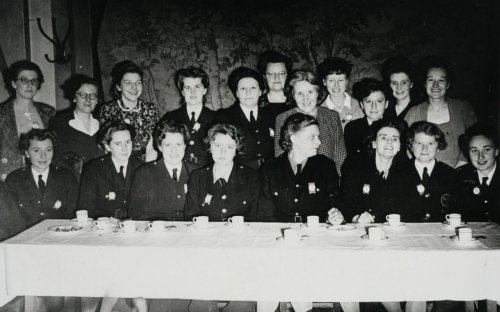
Like other women who signed up to participate in the war effort, many women joined the ambulance core and the fire brigade, whereas May and Grace took their training to become plane spotters with the 161 Battalion and Field Regiment in Northern England.  They spent many long hours in the cold wind and rainy days looking to the sky.
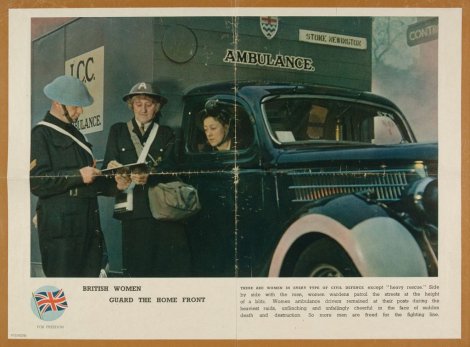
Photo credit: Trade Union Collections, London Metropolitan University
Photo Credit: Trade Union Collections, London Metropolitan University

May and Grace saved many lives with their plane spotting, they would radio to the platoon leader if the incoming plane was friend or foe.  May and Grace had to be quick and had to be correct.  They were both good at their posts and always ready for duty when called.

Eventually May met Bob and fell in love and shortly thereafter, Grace met Allan and fell in love, with weddings 6 months apart, it was only natural that May and Grace would be each other’s maid of honours in their weddings.
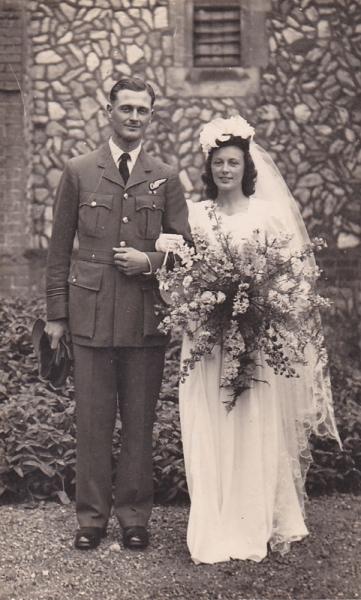
Photo credit: Imperial War Museum UK 1945

When Grace’s husband Allan got a new job in Australia, it was too good an opportunity to pass up.  May and Grace faced the difficult task of saying goodbye to each other and promising to write and visit when they could.  Years passed and many letters passed hands, and many phone calls for those special holidays despite the enormous costs.

Eventually May stopped hearing from Grace.  There were no more letters, no more phone calls and when May rang the number she had for Grace, it was out of service.

May was stuck, she only had an outdated phone number, half a military service number and years of friendship to start looking.  May contacted her local police department, there wasn’t anything they could do across international borders.  May tried to contact the police in Australia, but since Grace no longer lived at that address anymore, there wasn’t any location to start looking in.

27 years later, May’s eldest daughter Linda took it upon herself to write a small little story in the community newspaper about her mother always wondering what happened to her friend Grace. The story touched many in the small village and the story was eventually picked up by a national news station and aired on the 6 o’clock news.

https://www.dorsetecho.co.uk/news/features/lookingback/1798273.did-you-know-grace-the-plane-spotter/

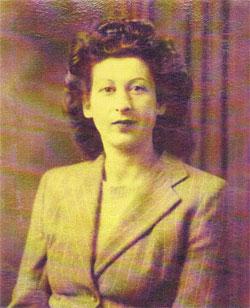
One evening, Grace’s eldest daughter Susan was in northern England watching the 6 o’clock news, when suddenly – a youthful picture of her mother flashed across the screen! Susan yelled for her husband to come quick – he too confirmed that indeed that was his mother-in-law, Grace! Susan called the number listed on the television and spoke to the producer of the show who was very excited there could be a possible connection.
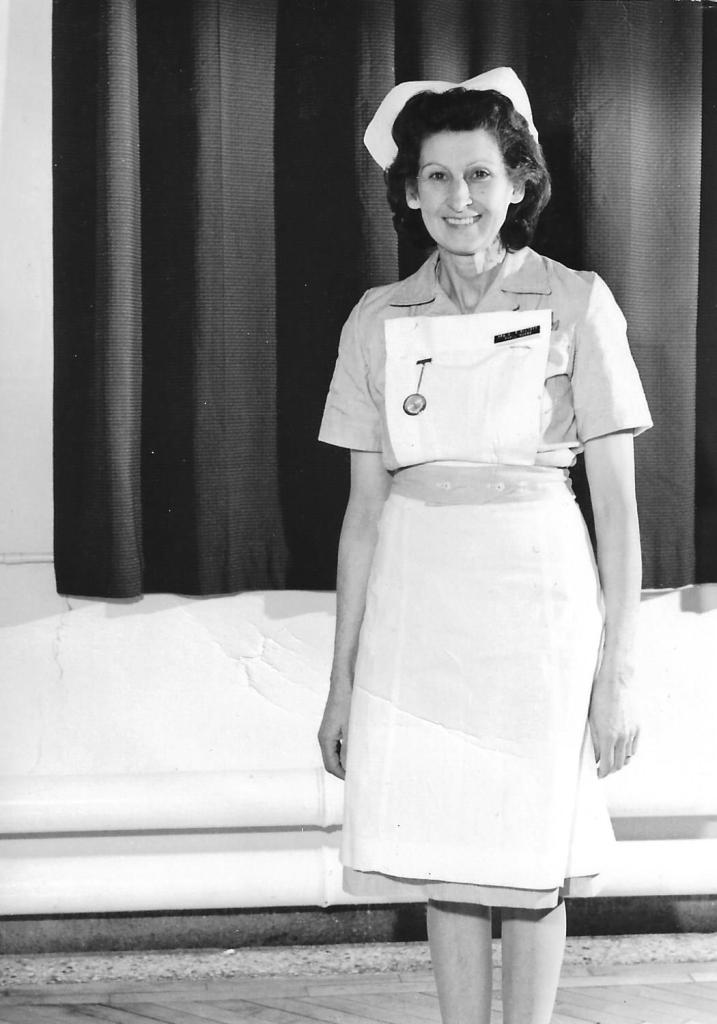
Photo Credit: Elliott Family 2017

Susan called her mother Grace, who was living in Canada to tell her the news.  Grace was excited and fondly remembered her friend May.  Time, moving, traveling, children and losing the contact details for May, Grace was eager to see her friend again.

May and Grace connected for the first time by telephone almost 30 years after last seeing each other in England.  Up until the passing of May in 1998, May and Grace made several trips across the ocean to visit with one another – forever remaining the best of friends and making life-long connections between their two families!

Photo Credit: Elliott Family 2020

Click the link below to finish the story on Searching for Grace!

https://www.instagram.com/tv/CbWAs5wlCKJ/?utm_source=ig_web_copy_link
Categories
Uncategorized

The Perfect Story

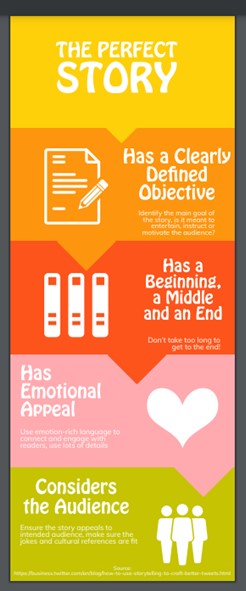
Storytelling helps us connect with one another and writing the perfect story is no easy feat, not impossible, but a few key points can ensure you write the Perfect Story!

Planning

Every perfect story has a clearly determined objective.  Is the story meant to entertain, instruct, inspire, motivate the audience? Determining the goal of the story ensures a clear, concise text. In this stage of crafting the perfect story, it also sets in motion the planning for the best platform in which to tell the story.  Decisions around where will this story best be received? If the story is to be told digitally, what are the plans about where to post, how to illustrate, what will be length of story?

Concept

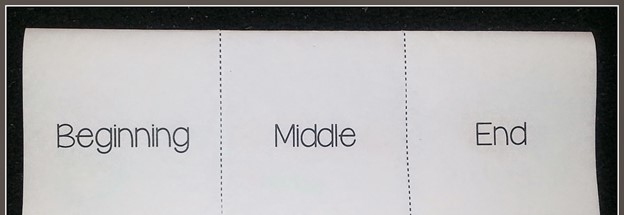
Every perfect story has a clear Beginning, Middle, and End.  This allows the story to introduce the concept of the story, cover any details of the story, and then a wrap up that can also include a call to action.  All great stories share some common elements such as: setting, character, plot, conflict and arc, regardless of the length of the story.

Appeal

Every perfect story has Emotional Appeal.  Using emotion-rich language helps readers activate their decisions and their own reactions to the story.  This engages readers and builds connections to the story the more details that are given.  The perfect story is one that is emotive and memorable.

Audience

Every perfect story Considers its Audience.  The story must resonate with the intended audience.  Need to ensure the story appeals to appropriate readers so that any humour or cultural references are understood and are a fit for getting the message of the story across

Practice, practice, practice!

Crafting the perfect story takes practice. 

We all have a story in us to tell, remembering to make it emotive, relatable, simple and, voilà – the perfect story!

Sources:

https://business.twitter.com/en/blog/how-to-use-storytelling-to-craft-better-tweets.html https://hbr.org/2014/07/how-to-tell-a-great-story https://training.npr.org/2016/12/13/beyond-the-5ws-what-should-you-ask-before-starting-a-story/

Categories
Uncategorized

Another Tough Day as the Newbie

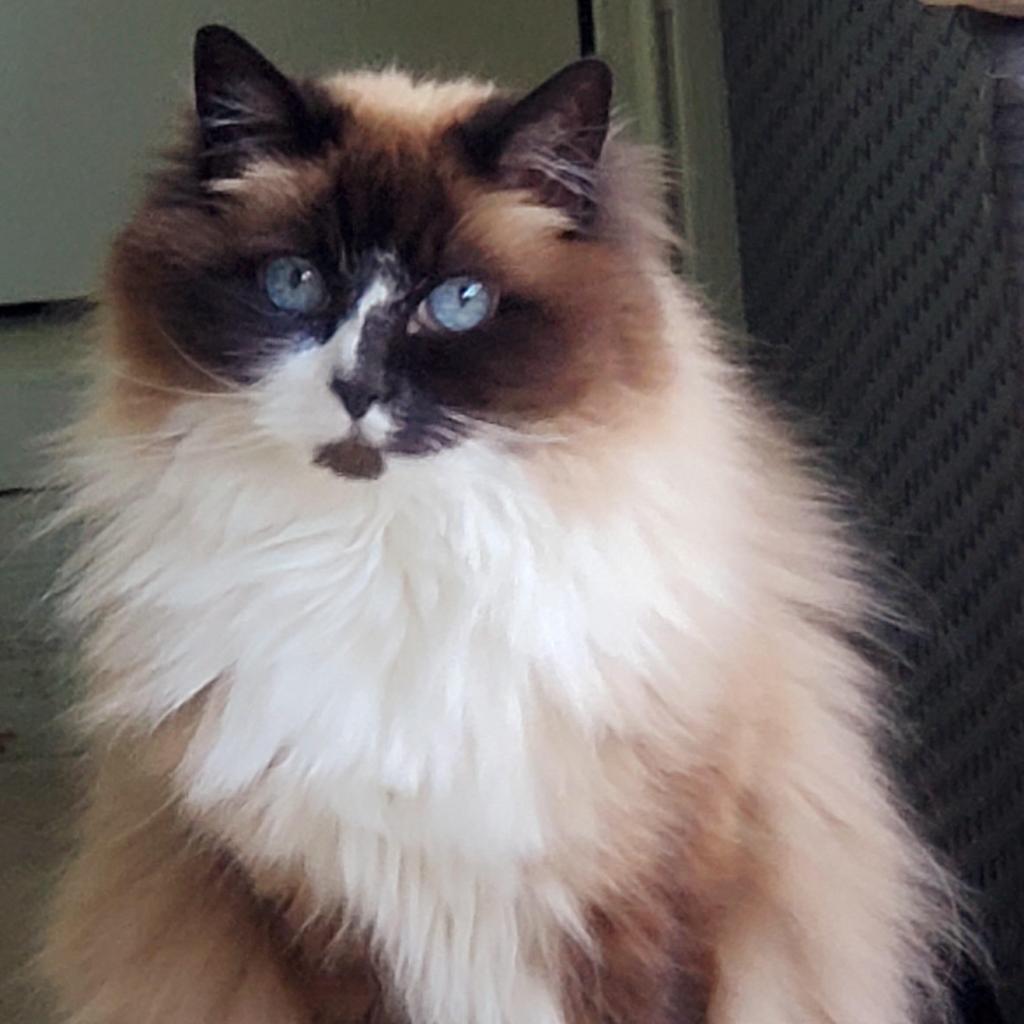
As we know the internet loves cats, kittens, animals of any kind so I figured I had an automatic hit with my live-tweeting story featuring my cat. Snippet storytelling needs to be engaging and visually appealing, and so the cat was going to be the star of my story!

The Newbie

I tried hard all day to catch these ’micro moments’ the cat was having, but I got too insecure and edited too much to the point of not having any visuals to accompany the content and we all know the importance of visuals in snippet storytelling. I also wrote a very long story then started to chop it up! The edit process is highly recommended for social media and aligns with the idea of concise writing to tell a story regardless of the platform.    

The cat and I are just starting a new relationship, she was abandoned at my condo complex by previous residents so I tried to create a beginning a middle and a happy ending to my story by using real pictures, as well as typing on Twitter as I would speak with my friends when sharing stories about the latest adventures of the newbie.

“It was fun writing from the perspective of a cat, hope it worked!

Digital Newbie, Feb 2022

When I was trying to think of a story theme for this assignment, I was looking around and watching the cat settle into her new home – I then started to wonder what she must be thinking about us!  It was fun trying to imagine what a cat would think about and then relaying their judgement for the whole internet to read.

Have you tried to see events or experiences from another perspective, what judgements did you make?

Full Twitter Thread for Another Tough Day!

Categories
Uncategorized

Just A Quick Little Run Around the World

L.M. Striemer

It’s 2007, I’m delayed in northern Thailand waiting for a boat ride to take me south towards Bangkok.  I had been visiting my grandfather and step-grandmother, who live in Chang Rai, for the past few months working on the farm. While waiting for the boat, I decided to wonder to the free library hanging on the streetlamp – I was really hoping for something interesting, there were few books, and even fewer printed in English except for one – “A Quick Little Run Around the World” by Rosie Swale Pope. 

Rosie Swale Pope, 2004

At the age of 57, after losing her husband to Cancer, Rosie put on her running shoes one day and decided to go for a quick walk around the block.  After 5 years and 20,000 miles later, Rosie became the only person in the world to have run-around-the-world solo and unsupported by carrying her belongings on a cart behind her – https://rosieswalepope.co.uk/

I now see how Rosie, back in 2003, had already applied the advice offered by Carolyn O’Hara in her article “How to Tell a Great Story” published almost 11 years later. Carolyn O’Hara offers specific Do’s and Don’ts when telling a story:

Principles to Remember

Do:

  • Consider your audience — choose a framework and details that will best resonate with your listeners.
  • Identify the moral or message your want to impart.
  • Find inspiration in your life experiences.

Don’t:

  • Assume you don’t have storytelling chops — we all have it in us to tell memorable stories.
  • Give yourself the starring role.
  • Overwhelm your story with unnecessary details.

In remembering Rosie’s story, I also now understand how well her story was constructed by her usage of the above key principles.  Rosie is considerate of her audience by not only including her personal story with her struggles, challenges and wins, but by also by weaving the stories of the people she meets on her journey into her story.  Rosie offers her story in this framework to Identify her message that she wants to impart – the importance of getting testing for cancer.  She uses the inspiration from her experience of running around the world to showcase the perseverance, resilience of the human spirit and the small simple kind acts of others. 

What made this story so memorable for me was how I felt after reading it.  Rosie’s story is compelling, insightful, adventurous and humbling.  It made an impact on me because I was so engaged with her adventures and her challenges of running around the world solo that I was inspired and found myself cheering her on, each turned page.

If you have multiple questions, you probably have multiple stories. Stick to one and answer it well. Your audience will stay with you.

Alison Macadam, Beyond the 5 W’s: What should you ask before starting a story?

And just like the advice given in the article Beyond the 5 W’s: What should you ask before starting a story?, Alison Macadam points out that it’s also important to identify what the story is NOT about.  In Rosie’s story, it was not about her grief, her loss or the specifics of the illness of cancer itself, but rather about the human spirit, its experiences with illness, its resiliency, its triumphs, its challenges, its similarities no matter where one lives or the language they speak.

In the few hours that I was waiting for the boat, I finished the book! I couldn’t put it down, page after page I was hooked, time flew by, and I felt so inspired and humbled after those few hours that since reading Rosie’s story, I often have moments where I ask myself, what would Rosie do? I will always remember this story simply because it ultimately made me miss my boat!

Have you ever missed something or forgotten to do something because you got caught up in a story?

Design a site like this with WordPress.com
Get started