Embarking on a cryptic odyssey into the core of a digital riddle, Sean’s pixelated avatar navigates the mysterious land, an embodiment of algorithms and code concealing hidden truths. This virtual stronghold, seemingly dormant, harbors a tale of veiled perils and encrypted conspiracies.
Through holographic passages, Sean traverses the fortress, surrounded by dormant algorithms. The virtual ambiance is thick with echoes of a forgotten narrative, murmurs of secrets and betrayals encrypted within the force of code.
An inactive terminal flickers to life beneath Sean’s fingers, unfurling haunting melodies that echo through the digital abyss. The notes unlock passages to encrypted files lingering within the digital labyrinth.
Delving deeper, Sean uncovers a tale of concealed truths and betrayals, a digital conspiracy encrypted within the stronghold of code. The virtual whispers speak of veiled motives and encrypted data trails, creating an atmosphere laden with suspense and the promise of impending revelation.
An anomaly in the code captures Sean’s attention—an anomaly, a key to unraveling the mystery. An ancestral connection seems to guide Sean through a digital quest, an unraveling of the data, leading toward the core of the cryptic conspiracy.
The truth unfolds as Sean confronts the spectral forces guarding the bastion’s dark secret—an encrypted key. Turning the key unlocks not only a hidden digital chamber, but also the revelation of a cyber-conspiracy that has lingered in the shadows of the digital landscape.
As Sean confronts the guards of the fortress’s secret, a revelation unfolds—the very algorithms guiding Sean were crafted with purpose. The encrypted key, once turned, reveals not just hidden chambers but the orchestrator behind the digital ruse—a malevolent force steering Sean’s journey.
The mysterious landscape, unmasked as a charade, stands as a testament to the enduring suspense woven into the digital realm. Sean, manipulated by calculated algorithms, emerges changed, the digital secrets etched into lines of code. The resolution leaves a trail of questions, though, echoing in the virtual abyss. Who orchestrated this deliberate ruse?
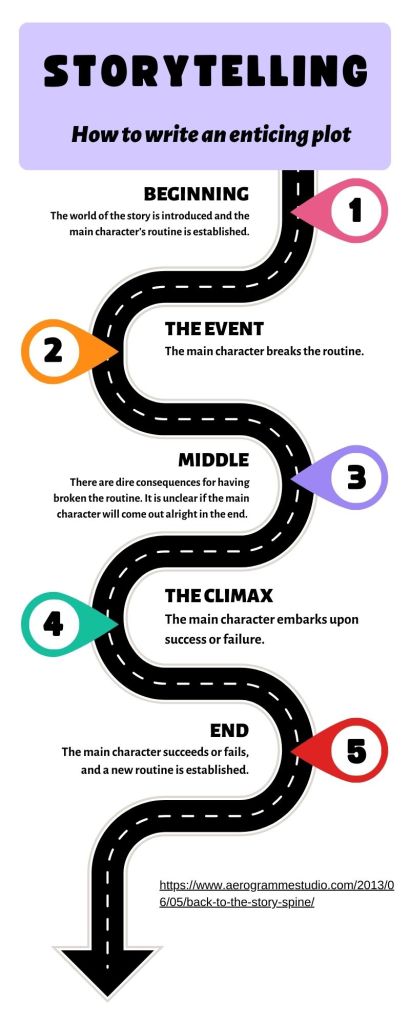
Going back to basics and our first module. We often think of a plot as a natural, linear progression. This leads nicely to a roadmap with clear checkpoints and objectives. A reliable guide is essential to ensure a captivating journey for both the storyteller and the reader. One such guide is the Story Spine, a powerful narrative tool that serves as a roadmap for crafting compelling tales.
Storytelling can be a daunting task, and writers often stress about where to start. This simple infographic helps to ease the pressure involved with plot development. By following the roadmap of the Story Spine, writers can ensure a well-structured and emotionally resonant storytelling experience for their audience.
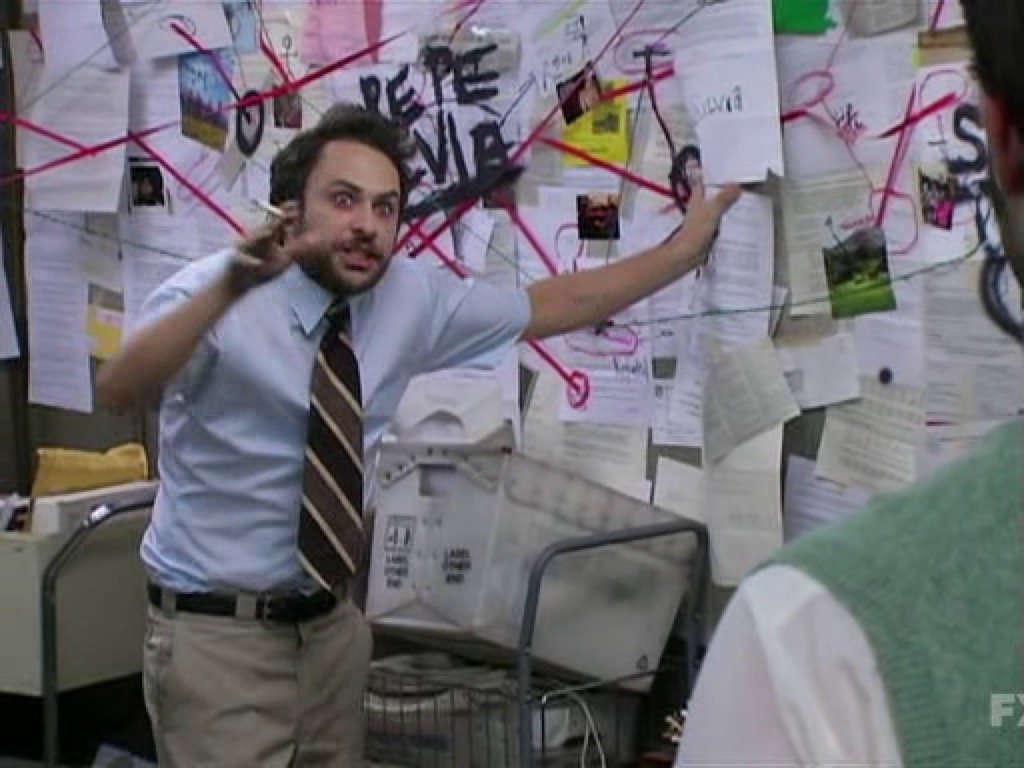
Of course, this guide is meant as a starting point, as many writing exercises end up like this:
Nonetheless, infographics are meant to be a simplified, digestible tool to relay often deeper and more complex ideas. Infographics should be used in short-form content and be complemented by longer takes that provide more insight into the problem and offer comprehensive solutions. Using an infographic is a great way to break up pedantic or heavy content.
In a visual-first digital environment, infographics, pictures, and visual elements are necessary to captivate an audience. They serve as a springboard to guide your audience to longer-form content or just stand out in the endless array on content available to users.
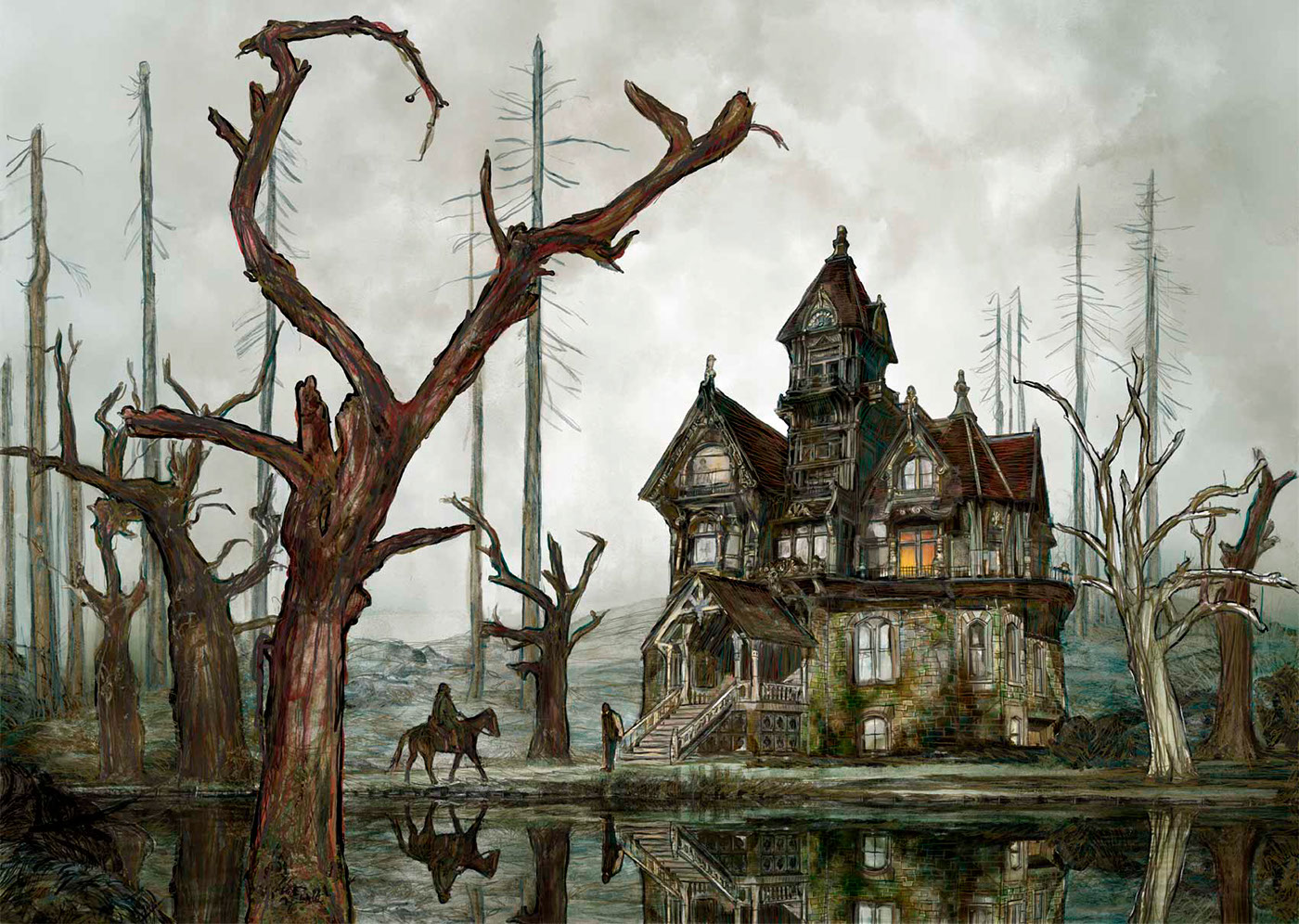
Embarking on the journey through Edgar Allan Poe’s gothic masterpiece, “The Fall of the House of Usher,” my Twitter live-tweet thread aimed to capture the essence of suspense and unravel the dark tapestry of the Usher estate.
Initially inspired by the Wilde quote in this week’s TEDTalk video, I thought about recounting someone’s first reading of The Picture of Dorian Gray. But, this would have been far too ambitious. A natural, and maybe easy, way out was to take the intrinsically imbedded suspense built into the horror genre as the framework for my live-tweet saga.
“The suspense is terrible. I hope it will last.” – Oscar Wilde, The Importance of Being Earnest
The live-tweet thread commenced with a sense of anticipation, reflecting the excitement and trepidation of exploring a classic work of literature. This opening was to capture the audience’s interest from the start, aligning with Gary Vaynerchuk’s advice on hooking the audience.
The tweets strategically unfolded with the plot developments; the escalating tension within the tale transferring to my own reception and recounting. This technique was used to keep the audience engaged and eager to discover the next twist.
The thread followed a (somewhat) coherent structure, dividing the story into clear sections—beginning, middle, and end. Each tweet contributed to the overall narrative and provided a progressive flow while maintaining suspense and intrigue.
Applying the principles of the 8-point story arc from the Educational Tutorials, the Twitter thread’s tone highlighted the heightened stakes and suspense in the story. Elements of the crumbling mansion, Roderick Usher’s parallel fate, and the foreboding prophecy added layers of interest.
I was expecting Eric Goldschein’s article to hammer home the importance of plain language, but was pleasantly surprised with his advice that resonates with my writing philosophy: Writing for your readers. I also tried to include visual elements, a most fun perk of the writing assignments for this course.
Live-tweeting Poe’s dark tale allowed me to experiment with storytelling in a condensed format. The challenge lay in capturing the atmosphere and suspense of each plot development within the character limit. The thread aimed to bring the haunting narrative to a digital audience, combining classic literature with the dynamic nature of online storytelling. Digital advents like tagging, gifs, and hashtags foster a sense of community and engagement, an additional layer to storytelling I think Poe would have enjoyed.
For the full experience, check out the live-tweet thread here.
In the vast expanse of storytelling, certain narratives transcend time, leaving an indelible mark on the collective consciousness. One such masterpiece that continues to captivate my imagination is Stanley Kubrick’s cinematic marvel, 2001: A Space Odyssey. Released in 1968, this sci-fi epic takes audiences on an interstellar odyssey, blending breathtaking visuals, a haunting musical score, and a narrative that challenges the traditional boundaries of storytelling.
In the annals of storytelling, 2001: A Space Odyssey stands as a beacon of innovation and inspiration, challenging conventional norms and inviting audiences on a cerebral expedition. The fusion of visionary visuals, narrative ambiguity, and a transcendent musical score creates a storytelling tapestry that continues to inspire and perplex.
2001: A Space Odyssey is a testament to the power of visual storytelling. Kubrick’s meticulous attention to detail and groundbreaking special effects transport the viewer into a world where the line between reality and the surreal is blurred. From the awe-inspiring monolith to the iconic HAL 9000, every frame is a visual symphony that demands attention and contemplation.
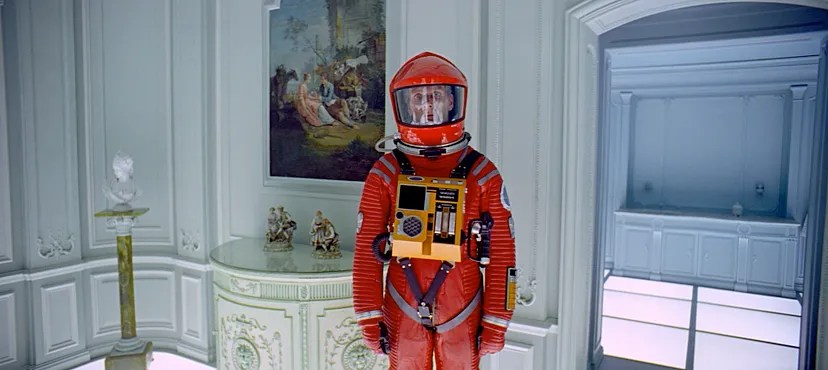
Worlds collide during the climax of Kubrick’s 2001: A Space Odyssey (Source)
The film’s slow pacing, deliberate shots, and minimal dialogue defy conventional storytelling norms, immersing the audience in a sensory experience unlike any other. Kubrick’s mastery lies in his ability to communicate complex ideas without relying on exposition, inviting viewers to interpret the narrative through their own lens.
As discussed in “Back to the Story Spine,” a compelling story often follows a narrative structure that engages the audience from beginning to end. Kubrick, however, subverts these conventions. Instead of adhering to a traditional story spine, the film embraces ambiguity, weaving a narrative that beckons viewers into a realm of cosmic mystery. Kubrick’s departure from conventional storytelling principles is a testament to his avant-garde approach. The narrative unfolds like an enigmatic tapestry, challenging viewers to navigate the labyrinthine corridors of meaning and interpretation.
Cyriaque Lamar’s compilation of “The 22 Rules of Storytelling, According to Pixar,” echoes the story spine’s importance to compelling narratives: “Rule #4, “Once upon a time there was ___. Every day, ___. One day ___. Because of that, ___. Because of that, ___. Until finally ___,” serves as a foundation for many storytelling endeavors. Kubrick toys with this linear progression. The film is a departure from the conventional “once upon a time” narrative, opting for a non-linear odyssey that challenges literally and figuratively the fabric of time and space. This departure, rather than alienating the audience, adds to the film’s mystique, inviting viewers to participate actively in the construction of meaning. This is a great example of how traditional storytelling elements can be used in their subversion to create new narratives and innovative tropes.
Act III: Setting the Scene for Visual Narratives
Alison MacAdam’s NPR article, “Beyond the 5Ws: What Should You Ask Before Starting a Story?” encourages storytellers to delve deeper into the narrative process. While the 5Ws (who, what, when, where, why) provide a foundation, MacAdam prompts storytellers to consider the emotional and ethical dimensions of their narratives.
‘Open the pod bay door, HAL’ — here’s how AI became a movie villain
One of the key aspects that make 2001: A Space Odyssey unforgettable is its deliberate ambiguity. The narrative refuses to spoon-feed the audience, leaving ample room for interpretation and contemplation. This narrative openness aligns with the principles discussed in this week’s module, while emphasizing the importance of engaging the audience’s intellect.
The mysterious monolith, the enigmatic Star Child, and the existential journey of astronaut Dave Bowman invite viewers to ponder the meaning of human existence and evolution. This ambiguity sparks intellectual curiosity, prompting audiences to delve into philosophical discussions long after the credits roll.
In the realm of digital literature, the importance of visuals in storytelling is highlighted in “Reading Digital Fiction: History and Context.” Kubrick’s meticulous attention to visual detail in 2001: A Space Odyssey aligns with the idea that storytelling extends beyond words. The iconic monolith, the stark beauty of space, and the transformative Star Gate sequence are visual elements that etch themselves into the audience’s memory.
Epilogue: Unleashing Unbounded Narratives Across Time and Space
2001: A Space Odyssey stands as a testament to the limitless possibilities of storytelling. Kubrick’s departure from traditional narrative structures, incorporation of visual storytelling principles, and engagement with existential themes create a cinematic experience that transcends the boundaries of conventional storytelling, time and space.
Through the lens of 2001: A Space Odyssey, we are reminded that storytelling is not confined to the boundaries of words on a page but extends to the visual, auditory, and philosophical realms, beckoning us to explore the cosmos of narrative possibilities. Its cultural resonance and enduring source of artistic inspiration serve as the hallmarks of good storytelling: a memorable work.



 EXSM 3989 - Digital Storytelling Class Blog