Categories
Uncategorized

Thief, Villain, Dangerous 

Through a series of social media stories, I give a small glimpse of what life is like for my dad. Someone who grew up looking Indigenous in Alberta. The problem is my dad has a plethora of stories like these only worse throughout his life. Whether it was getting beat up in school for being the only Indigenous kid, being pulled over by the police officers for suspicious activity, or simply not getting the respect and love he deserves.  

I live a completely different life than my dad because of the colour of my skin and I realize my privilege especially when he shares these stories of blatant racism. I wanted to share them with the world to remind us of all of what a normal day can look like for someone who might look a little different.  
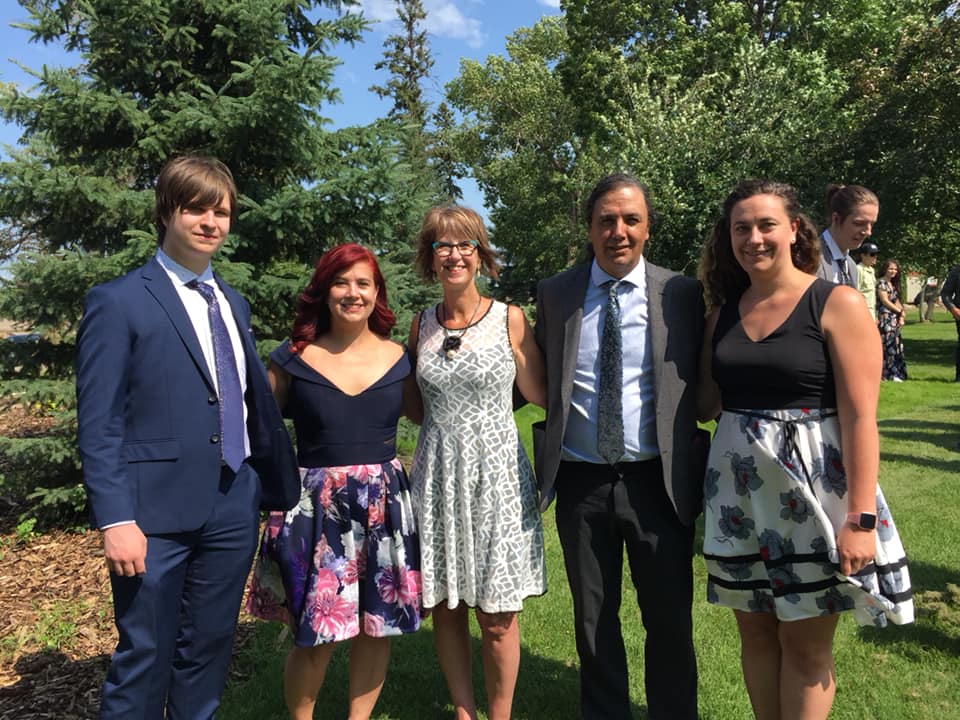
A bit about him 

My father is half Irish and half Cree. He grew up with his brothers and sister and his mother for a short while before being scooped up and placed into a white family as a foster child. Separated from his culture, his family, hand is siblings, my dad was a product of the Sixties Scoop. My dad grew up in a fairly European community that did not have too many children that looked like him. He was bullied and became a quiet person. When I was growing up, I thought my dad was just like me. He looked like me and we have a similar personality. He was someone I looked up to. But as I got older, he started to share the stories that shocked me. Why would anyone treat my dad as less than?  
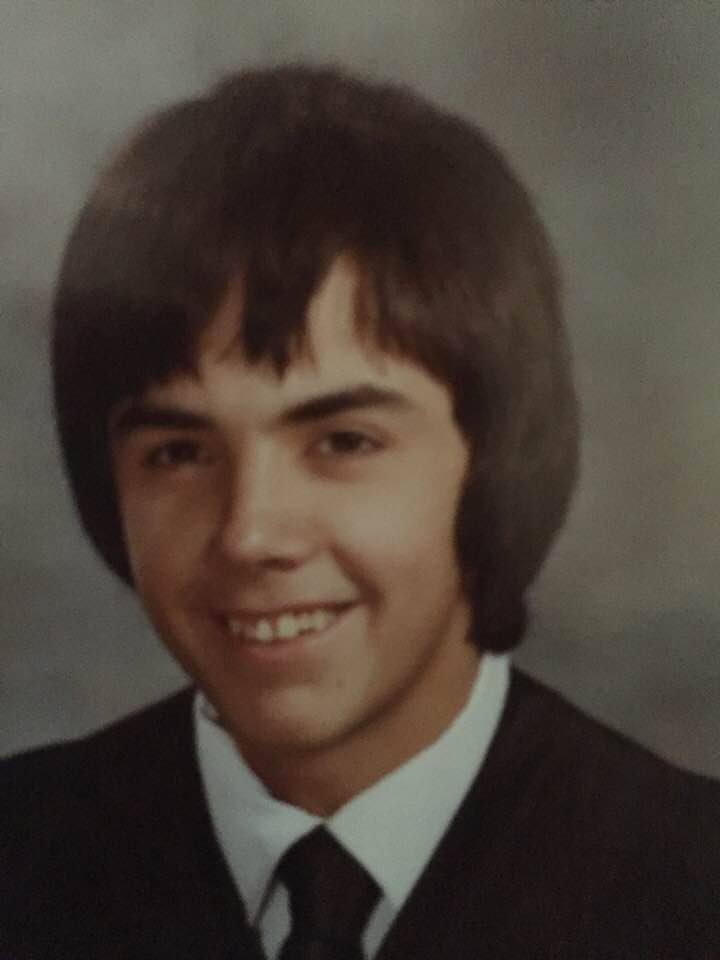
Shame 

I feel like my dad used to hide who he was. He would not openly tell anyone he was Indigenous, and he liked to keep his hair cut short. He would joke that some people at work thought he looked Spanish or something else. People would make jokes about his culture right in front of him, completely unaware. Growing up away from his own people he just learned to ignore who he was.  

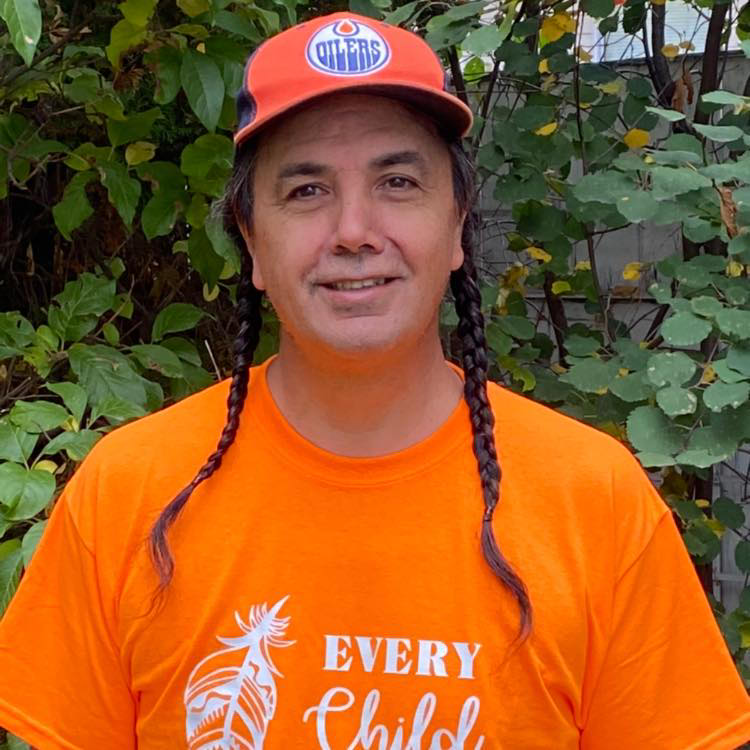
As my dad got older though something shifted. He grew his hair out long; he wears shirts that clearly show that he is proud of his heritage. He wears hats with dream catchers, and he is not afraid of what people think.  I have never been prouder.  

I may not look like my dad, but I understand the shame. When I was a kid, I hated telling people I was part Cree. I thought that they would look at me differently or tease me. I hated when my mother put my hair in braids and called me her little Indian. I was ashamed. But seeing my dad embrace himself has been huge. I will never not be proud of my heritage again.  
Stories 

I tell 3 short stories on my Facebook, Instagram, and Twitter pages if you would like to explore some small first-hand injustices my dad has faced in everyday life.  

Categories
Uncategorized

5 principles of good storytelling

I have put together a infographic to quickly tell the 5 key principles of good story telling. Infographics are a great visual way to connect with the audience and offer quick facts. Rather than reading 5 paragraphs of text with no fun graphics the reader can save this visual and it becomes more memorable. People also tend to respond better to visual information. When we were children we preferred picture books to keep us interested, digital content today is the same.

My design includes some human elements in the graphics to draw the audience in and so they can relate to the visuals. The graphic also uses bright colours and only 5 points. Keeping an infographic quick and to the point helps ensure the reader doesn’t scroll.

I hope you enjoy my 5 quick tips and learn how to write a better story. 🙂

Categories
Uncategorized

20 something date

We could write a Twitter story about anything really and I chose a strange date I went on in my early twenties. Not sure why it popped into my head but my friends always remember it as a funny one.

Read the whole thread here:

My story in summary is about a date that didn’t really go as expected for me. A young man named Breton met up with me at a restaurant downtown. He suggested that we each order something and share our food. When we got our dishes, he weirdly decided not to share with me. After dinner he asked me to go get some tea with him. Wanting to talk to him a little more I agreed. I like coffee shops, right? Instead of heading to a hip café we start walking towards apartment type buildings and I realize I am going to his place. This kind of behaviour isn’t me and I’m a bit scared and feeling mislead. When we get to his place he tries to kiss me at awkward times, he tries to sing to me to impress me and ends up crying hysterically when I decide to leave. It all comes crashing down on me and I’m thankful I wasn’t murdered by a man named after a cracker.

I used tactics I have learned in the course for my story. I tried to evoke some suspense, emotion, and be relatable to the audience. The story has a clear beginning, middle and end but also applies some short story points from the 8 point story arc.

Stasis: The young 20-something is introduced, hoping to find love

Trigger: She decided to go on a new dating platform

Quest: She sets off on her date with an open mind

Surprise: The date ends up being very strange and doesnt share with her. he leads her to his apartment without warning.

Critical choice: The young lady is scared but decided to stay

Climax: the man tries to kiss her without warrant and serenades her in a desperate attempt at love

Reversal: The character musters up the courage to leave the situation and the date cries hysterically.

Resolution: The character vows to stay off dating sites for a while.

Categories
Uncategorized

Five Little Indians

A great story is one that is memorable, it draws the audience in and brings up emotions and relatable themes. I recently read the book ‘Five Little Indians,’ by Michelle Good, and upon thinking of a memorable story, this one popped into my head. I’m a woman who watches a lot of tv shows and movies, but this book sticks with me most. I grew up as a mixed-race Indigenous person who knows nothing about my family or my history. My indigenous father was adopted in the sixties scoop and my curiosity is spiking more as I get older. Where do I come from? Why is their so much intergenerational trauma? What is our/my story? The story Five Little Indians is not about my family personally, but it is about Canadian indigenous people and there struggles with and after being in residential schools. This story personally relates to me and the emotions I have been feeling this year especially with the data being released regarding the number of bodies being found on residential school sites. It has heroes to root for, a strong theme, and hooks you in with each chapter.

Lucy leaned back in her chair hands folder in her lap.

“They call us survivors.”

“Yeah.”

“I don’t think I survived. Do you?”

What is this story about?
This story follows 5 children who were taken from their families and sent to a remote residential school. The children are barely teens when they are released from the school with no sense of family, home, language, culture, or self anymore. These teens are left with nothing but a one-way bus pass to downtown East Vancouver to fend for themselves. The world around them does not accept them and the children must learn to overcome their personal trauma. As the children get older, they all find different paths, one is drawn to the Indian Movement, one is constantly in dangerous situations, one can’t stop running from his past, one spends time in prison, and one becomes a young mother. This story shows the emotional quest these children go through to find their place in the world and the effects of trauma and loss of culture.

In a simple context, this story can be described using Kenn Adams ‘Story Spine.’ This is a great outlining story device and a good way to deconstruct a story.

Once upon a time there was five young Indians who were forced out of their family homes and into a strange and isolating residential school.

Every day, they were tormented, abused, unhappy and missed their families.

But one day, they were released back into society. Given a single ticket into East Vancouver they were left to fend for themselves in a new world.

Because of that, they had a hard time finding work, friends, a place to live, and their place in society.

Because of that, they suffered from their own personal traumas and struggles to find themselves.

Because of that, they needed each other to move forward. Their lives crossed at different points but led them to better places.

Until finally, they found their own purposes. One joined an Indian movement and got back to her roots. One started a family. Others must learn some hard lessons but grew from their experiences.

And ever since then, they were known as survivors who went through hell and back and someone ended up okay.


Was this story fair to the people and ideas it represents?

Author Alison MacAdam, asks what questions should you ask before starting a story? One of the questions is, was the story fair to the people and ideas it represents. She asks it all the characters are represented equally; does it have multiple perspectives? The story, ‘Five Little Indians’ represents each of the five characters equally expressing all of their pains and individual stories. The book also does a fair job of representing Indigenous culture in Canada. Michelle Good is a Cree author with ancestors who attended residential schools and a strong story to tell.

Design a site like this with WordPress.com
Get started