Categories
Uncategorized

Breakfast with Blair

It’s an old rule, but it’s a golden rule- breakfast is the most important meal of the day!

Join me as I show you a short and sweet way to start your day with a delicious and nutritious smoothie recipe.

It’s a simple recipe, but it packs a punch full of good-for-you ingredients to keep you feeling good all morning including:

  • Bananas: high in potassium, protein and dietary fibre
  • Peanut butter: a source of healthy fat to help maintain good cholesterol, blood sugar, and blood pressure
  • Honey: a healthy sugar substitute with antibacterial and antifungal power and immune system boosters
  • Cashew milk: packed with nutrients and an excellent source of calcium
  • Protien powder: full of nutrients to keep you fuller for longer (I use Vega One brand for a plant-based alternative)

All you’ll need is a regular blender to get your smoothie (and day) buzzing! While any blender will do, I do believe they are an item where investing in high quality makes a difference. My personal favorite is the President’s Choice Nurtri Bullet Blender for high power, easy clean-up, and even easier transportation for when you are on the go.

Check out to the video below for a step-by-step guide, follow me along on Twitter and Instagram for behind the scenes content, and share your smoothie tips in the comments!

Categories
Uncategorized

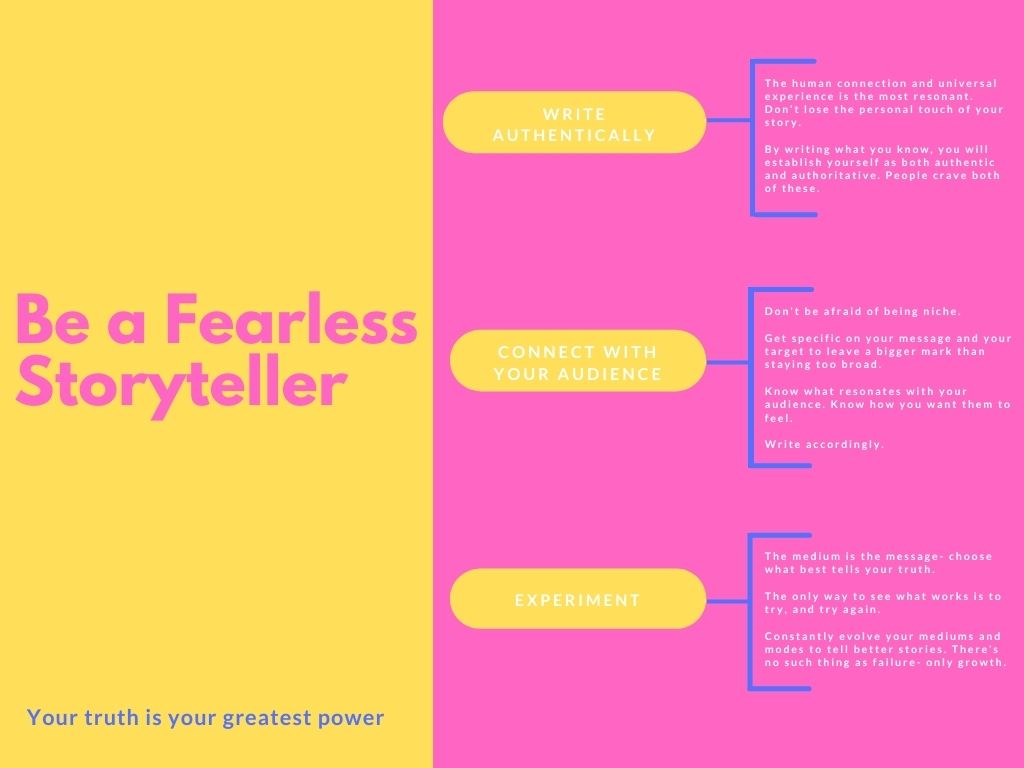
Be a Fearless Storyteller

In an age where people can be so afraid to say the wrong thing, many end up saying nothing at all.

The goal of my Be A Fearless Storyteller guide (and my entire ethos) is to equip people with tools, knowledge and understanding to feel empowered to share their truths and stories.

This resource is designed to outline the principles that I believe are most important in bringing out the authenticity integral for impactful stories.

In the social media industry it can become really easy to get bogged down in strategy, metrics and performance numbers. But behind all those numbers are the people, places and things we care about.

We can’t get high performing numbers without daring people to care.

To do this I hail three golden rules:

  1. Write Authentically.

I firmly believe that honestly always wins. By remaining authentic in our storytelling, I think we capture the most hearts and create the strongest personal connections. Additionally, it fosters a sense of authority, establishing the brand as a leader and expert and trustworthy source for people to come to.

2. Connect With Your Audience

Our stories are only as resonant as the readers react to them. Be specific on who you want to reach and how you want to reach them. Know what matters to them and what matters to you and how to merge the two in your writing to elevate your engagement.

3. Experiment

As they way consumers interact with media changes, so do we need to change as producers. There are now limitless ways to showcase stories, all at your fingertips; each of these mediums also impacts the story itself. Don’t be afraid to explore new possibilities in how you can share your stories, and more importantly- don’t be afraid to try and fail over and over again to find what works best.

Stand in your truth and share your story fearlessly. It is your greatest power.

Be a fearless storyteller by writing authentically, connecting with your audience and embracing experimentation.
Categories
Uncategorized

Protect Frontline Workers: A COVID Tale

While I consider myself a natural-born storyteller, as soon I sat down to tell a tale, my whole body began to panic and my mind went blank. How could I not tell a story when I believe this to be one of my greatest talents?

Then it hit me- the recurring theme of the texts:

Write what you know.

Write how you would talk.

Know your audience.

Evoke a reaction.

As much as it seems trite at this stage, it felt true to me and by now a universal experience to fairly Tweet about my experience navigating our healthcare system through COVID.

At the same time, I was struck by news of the Alberta government’s plan to do a 3% salary rollback for nurses who are still on the frontlines of the pandemic battle.

So I used this opportunity to follow Nick Reese’s advice on how a good story will outsell a good product to use my dramatized tale of being a big ol’ baby getting my COVID test as a call-to-action for advocacy for healthcare workers from government.

The blessing of hindsight allowed me to find humour in the situation while still capturing the anxiety I felt not only about the actual nasal swab, but the reality of living through pandemic in general. I believe that both the ability to laugh at myself while also reflecting on all my emotions add strength to my story as they follow the principles of Kristin Tysnki’s analysis of Buzzfeed’s best performing articles.

Additionally, I capitalized on my strengths as a millennial to craft the story specific to what works best for Twitter as a platform, and incorporated GIFs as a visual aid to represent the feelings of the story.

Overall, this was a fun exercise and a tale that I hope would inspire others to a) Overcome the fears of the nasal swab (because as I now know it truly isn’t that bad) and b) Remember the value frontline workers have provided throughout this pandemic and beyond, and the prioritization they require in government policy.

Categories
Uncategorized

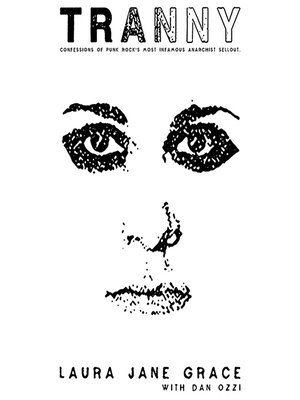
“Tranny” by Laura Jane Grace

A title housed on my bookshelf that routinely gets dusted off and re-read for its resonant storytelling is the autobiography Tranny: Confession of Punk Rock’s Most Infamous Anarchist” by Laura Jane Grace.

Key to its success is one of the most recurringly cited elements of the craft: the main character. Tranny is the first-hand account of Laura Jane Grace’s intertwined experience as a transgender woman and punk artist as lead singer of Against Me. Her story is a raw and vulnerable account that pits her against both the industry she hails from, as well as prominent narratives of the transgender experience in the LGBTQ+ community.  Examples of this include the title of the book itself which is a usurping of common slang used against the community, or how she candidly recounts feelings of regret as her sex reassignment transition takes a harrowing toll on her body.

But it is this honesty, and willingness to admit her own complexities and confusions, and stand in her own strength that keeps the reader drawn. As narrator and main character, Grace highlights many of the rules of storytelling noted by Emma Coats and many others: she is lauded for trying over succeeding, she is honest to herself and her audience, she holds and upholds her opinions regardless of controversy, and her story is one of high stakes at every turn.

Not only does Grace demonstrate her strength as a character in the story, but it is important to note she also stands strong as the narrator. Throughout the book, Grace maintains her own viewpoint as simply one individual that is transgender; never does she claim to be an expert on the topic or seek to speak universally on the subject or the experience. By staying true to her own story, beliefs and values and remaining authentic without overreaching her perspective, I think she personifies one of the key factors of engaging with storytelling as identified by Megan Wenzl.

What makes Grace story particularly unique is her incorporation of multi-modal media, an important element of experiential storytelling as identified in The Medium Changes the Approach. Of course, the book is mainly comprised of its own text, but weaved throughout are old journal notes, annotations of her lyrical discography, and old interviews. For instance, the book references a seminal Rolling Stone magazine article that in many ways served as Grace’s public coming out; however Grace criticizes the interview for misrepresenting her intent and being transphobic in its misgendering of her and its hyper-focus on her femininity or “passing” as a woman.

This multi-modal approach brings new life into the book, as well as into some of Grace’s older work. For example, in the previously released track “The Ocean” Grace (formerly known at the time as Thomas Gable) sings, “And if I could have chosen, I would have been born a woman/ My mother once told me she would have named me Laura/ I’d grow up to be strong and beautiful like her/ One day, I’d find an honest man to make my husband.” Previous thought would have viewed this as merely fantasizing or daydreaming of alternative lives and characters, but new revelations of Grace’s gender identity offer it new meaning. Additionally, the book was published alongside the release of the album Transgender Dysphoria Blues, making them profound accompaniments for each other.

Lastly, Grace’s use of the Storyspine is dynamic and well-played. Although it features the standard beginning-introduction, middle-conflict, and end-resolution of all great stories, as an autobiography it also features several cycles of this order while acknowledging that many more will continue in her future; the ending of the book is simply that: the ending of the book, not of Grace’s story. Furthermore, my favorite part of this piece is that the story’s central tenant is based around her journey of healing and self-acceptance and not her coming out or transition as transgender. It goes Beyond the 5Ws to ask what the story is not about, and how is it fair to the ideas or individuals it represents?

I can wax poetic all day about Laura Jane Grace as an artist and as an individual, but her storytelling is best done and well done all on her own.
Design a site like this with WordPress.com
Get started