Categories
Uncategorized

A Pshort History of a Life with Psoriasis

Feeling anxious at the doctor isn’t uncommon. How many of us have squirmed and shifted while sitting on a paper-covered exam table, anxiously awaiting a scrutinizing gaze and awkward inquiries? On this day at my dermatologist, my anxiety is adding to my uneasiness as I mentally practice how I want a conversation about my current psoriasis treatment to go. It’s not working for me, and I dread asking for a change.

I was originally diagnosed with psoriasis when I was eight years old. The experience was uncomfortable and taught me a hard lesson about the reliability of people’s opinion–even professional ones–when it came to my condition.

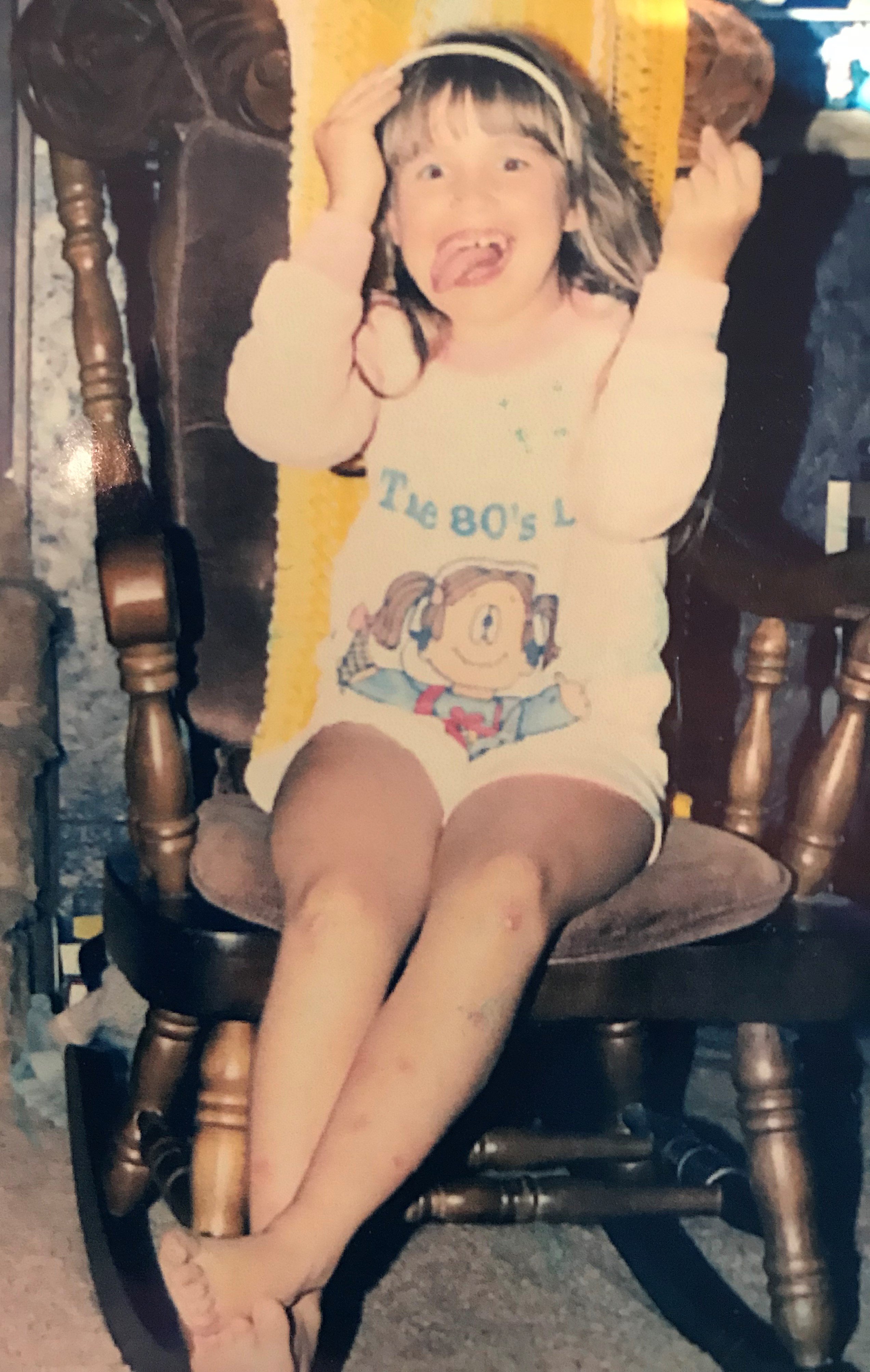
At that age, I understood psoriasis to be nothing more than something causing red, scaly patches on my skin and flakes on my scalp. My family always tried to make me feel more comfortable in my splotchy skin and never encouraged me to cover up.
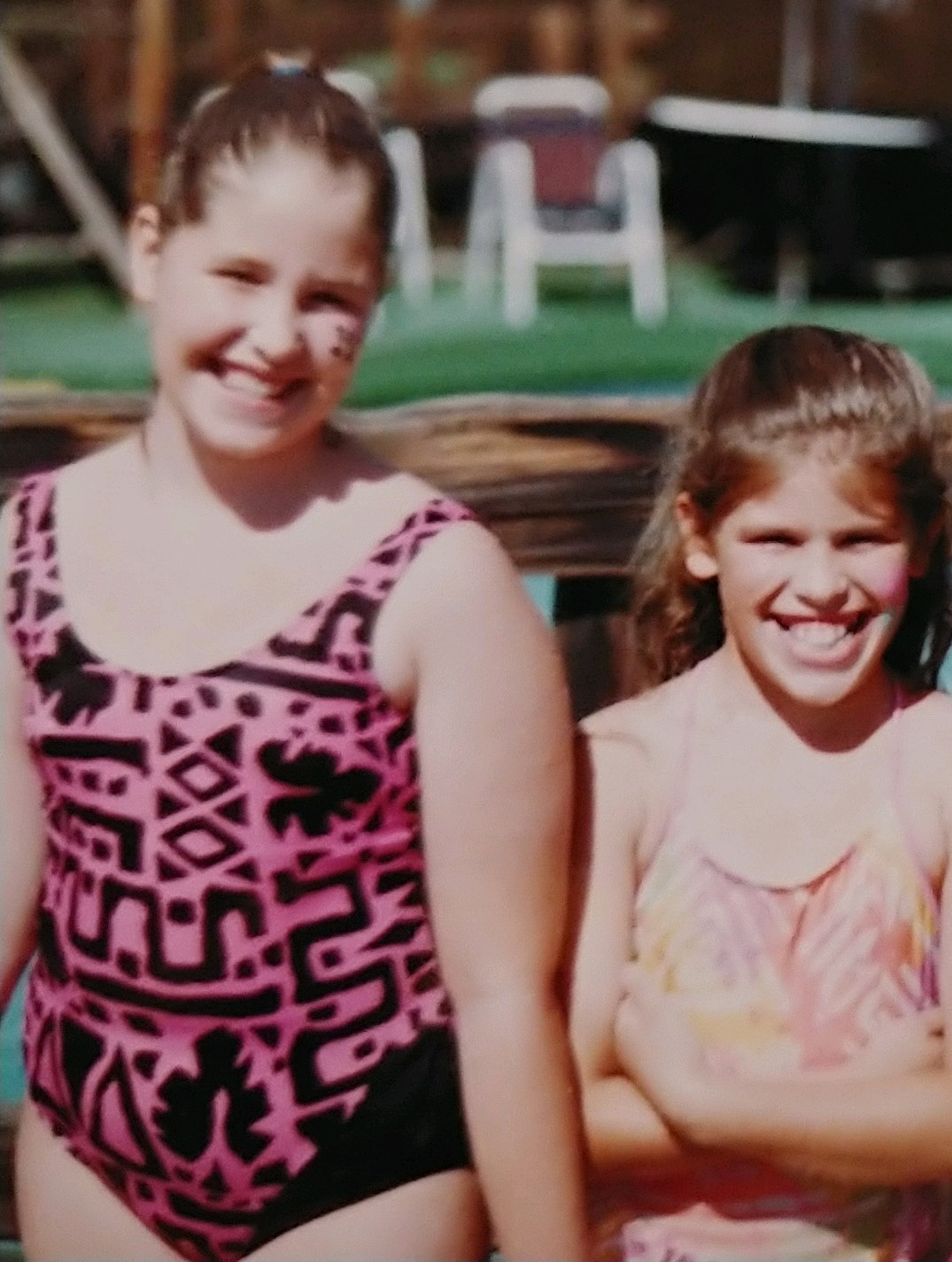
My beside table in my childhood bedroom was littered with ointment tubes and lotions. Occasionally, there would be a bottle of some “miracle cure” that my mother cautiously accepted from this relative or that friend. These “cures” never really did much in the end, but some well-meaning person felt they were worth a try.

I know now that psoriasis is more than just what shows up on my skin. It’s a chronic disease affecting my immune system; the lesions are symptoms of a more complicated issue. But despite what random advice or an ad says, there is no cure for psoriasis right now. It’s the skin you will live in for your entire life, and I’ve spent most of mine figuring out better ways to live with it.

It was important for me to understand all the possible triggers for my psoriasis.

I always tried to explain my condition to other children as simply as it was explained to me. “It’s not contagious,” I’d tell them. “It’s just my body making extra skin.” Most took those explanations well since a few extra spots didn’t seem to matter much on the playground. The children at school were never a problem that way.

No, it was the adults.

The adults who stared. The adults who asked if it was contagious as they unconsciously stepped back. The adult swim teacher who told me it was scabies. The adult hairstylist who hesitated before giving me a cut. And the adult dermatologist who never seemed to listen and became impatient when a younger me asked him questions; the same one I left often in tears.

Those experiences are why I have been self-conscious at times, even on my wedding day. I had to learn patience with other people and myself; I needed a sense of humor to get through the insensitivity.

I could make an entire series of this meme, I’ve had so many of these experiences!

But that sense of humor doesn’t always stop the anxious feelings or self-doubt. (Even on my wedding day.) Although I have a great dermatologist today, I worry I’m going to ask too many questions and cause that same impatient response I would get years ago.

When my doctor inquires at this visit how treatment is going, I rush to explain. I hear how nervous I sound. He pauses and checks his notes.

My mind jumps to conclusions: He must think I’m not intelligent enough to understand my own condition.

But I’m met with kindness and understanding, and we work out how to better fit the treatments to my situation. I leave today not with tears but with a smile on my face.
Categories
Uncategorized

Creating Engagement and Authenticity with Brand Storytelling

It can be difficult for a company to connect a brand with an audience, especially in our current fast-paced media climate and with so much competition in the marketplace. One of the best ways currently to promote a product and drive engagement is with brand storytelling.

What is Brand Storytelling?

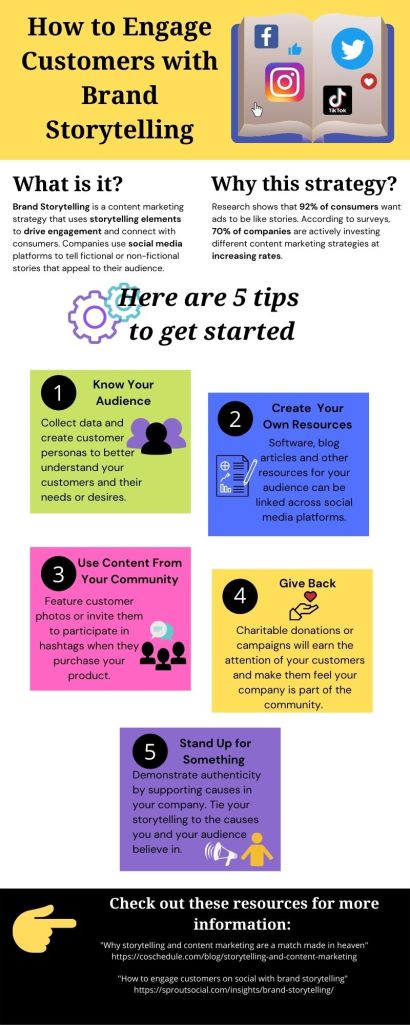
Brand storytelling is an exciting marketing tool that uses the elements of storytelling to connect to an audience and help make a brand or company more relatable. Stories about either fictional or non-fictional people or situations can span across social media platforms and increase a product’s visibility and popularity with a community.

If you’ve got content, share it. If your company helps the community, make it known. Involve your customers in your brand.

-Megan Wenzl, “How to engage customers on social with brand storytelling”

Audiences will trust a brand that provides trustworthy resources, participates in the community or stands for something they believe in and allows the audience to participate via social media campaigns.

People don’t want to be friends with your business; however, when you add a human element into your content marketing efforts, they will feel like they know the characters of the story you’re trying to tell. 

-Vanhishikha Bhargava, “Why Storytelling and Content Marketing are a Match Made in Heaven”

Building that story across multiple platforms may seem like an overwhelming task, but there are guiding principles that will make it easier to not only expand a company’s reach but also build a sincere reputation.

How Can I Learn More?

Below are some interesting truths about brand storytelling and five ways a company can utilize it to the fullest potential:

Sources:

Bhargava, Vanhishikha. 2021. CoSchedule Blog. “Why storytelling and content marketing are a match made in heaven” https://coschedule.com/blog/storytelling-and-content-marketing

Wenzl, Megan. 2019. Sprout Social. “How to engage customers on social with brand storytelling” https://sproutsocial.com/insights/brand-storytelling/

Categories
Uncategorized

Bob’s Burgers Live-Tweet

For my live-tweet, I chose the latest episode of Bob’s Burgers recently added on Disney+. As I said in my thread, it’s a show my family has watched since the pandemic lockdowns last year. I opened up with a casual call to read along to grab reader interest, establish the tone of my writing, and inform people what my thread would be about. I also included a thematically appropriate gif at the end for additional visual appeal.

It was challenging trying to actively use storytelling techniques during a live-tweet. It was important to provide active commentary that wasn’t just summarizing what was on the screen but also a story of how my family watches the show together. Ideally, during a live-tweet of a show or film, others are following along. At the same time, a live-tweet thread should provide enough engagement that a reader would want to follow along even without being able to watch.

To better achieve this, I tried to follow some of the storytelling principles we’ve learned to encourage engagement and the advice found in the articles by Gary Vaynerchuk and Nick Reese. I mixed “passion with practicality” by not being overly concerned with the episode plot summary and instead putting snippets of my live experience into my story. Structure was provided by my introduction where I also established the setting of it being a family watch after dinner. It continued with the body of my thread where I provided brief summaries with commentary and visual interest of supporting gifs. Then I established an ending with closing tweets describing what happened with my family after the show was over and one thanking the reader for joining us.

If I were to do this again, I would pick a longer show or film in order to give myself time to provide better commentary not only of what was happening onscreen but of what was going on in my head or my home. It would also give me more time to be aware of my writing and search for any interest-grabbing accompanying images or video. Overall, this was a great way to practice storytelling techniques and allow my family to be part of the experience.

Categories
Uncategorized

Hairspray (1988)

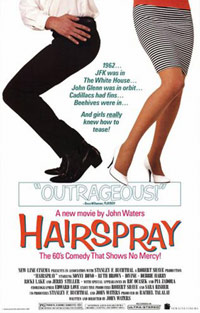
Most people are familiar with the hit Broadway musical Hairspray and the 2007 film adaptation starring Nikki Blonsky, Zac Efron and John Travolta. Fewer are familiar with the original 1988 film it was based on. Directed by cult film icon and “Ru Paul’s Drag Race” guest John Waters, the film stars Rikki Lake, Jerry Stiller and frequent Waters’ collaborator Divine.

Source: Wikipedia

The basics of the plot, about a plus-sized teen named Tracy Turnblad who becomes a dancer on a local program called The Corny Collins Show, fits well into Ken Adams’ story spine breakdown:

Every day, Tracy watches a dance show after school and practices her dance moves.

But one day, she tries out for an open spot for featured dancers and becomes one of the most popular on the show.

Because of that, Tracy is nominated for the show’s talent pageant and begins a relationship with a dancer she has a crush on.

Because of that, she angers her rival, the rich mean girl Amber, who bullies Tracy.

Then, Tracy learns more about racial segregation of the show that keeps Black dancers from participating.

Because of that, Tracy begins to speak out against injustice as part of her pageant platform and challenges the status-quo of the show.

Then, a riot over integration breaks out at a live show taping and Tracy gets arrested.

Because of that, Tracy is banned from the pageant and her friends and family help her fight back and crash the pageant live on-air.

Until finally, Tracy is crowned the winner, and the hosts announce that The Corny Collins Show is officially integrated.

Of course, this simple summary doesn’t include all the fantastic details and side stories that made this film so appealing to me when I first saw it as a preteen. As a plus-sized girl, it was refreshing to see a larger girl written to be accepting of and confident in herself, a universal theme that would meet the standards of the Pixar storytelling model. Tracy is unashamed of her body and pursues the affections of the leading man without any hesitation or reservation. When Amber, her mean girl rival with conventional looks, criticizes Tracy’s body, Tracy holds her own and impresses the judges for dance council with her answers and poise while Amber is sent home and suspended from the show for her bullying. The people who criticize Tracy are presented in a poor light while the movie shows her moving on and becoming successful without changing her appearance to suit others.

Source: Filmfed.com

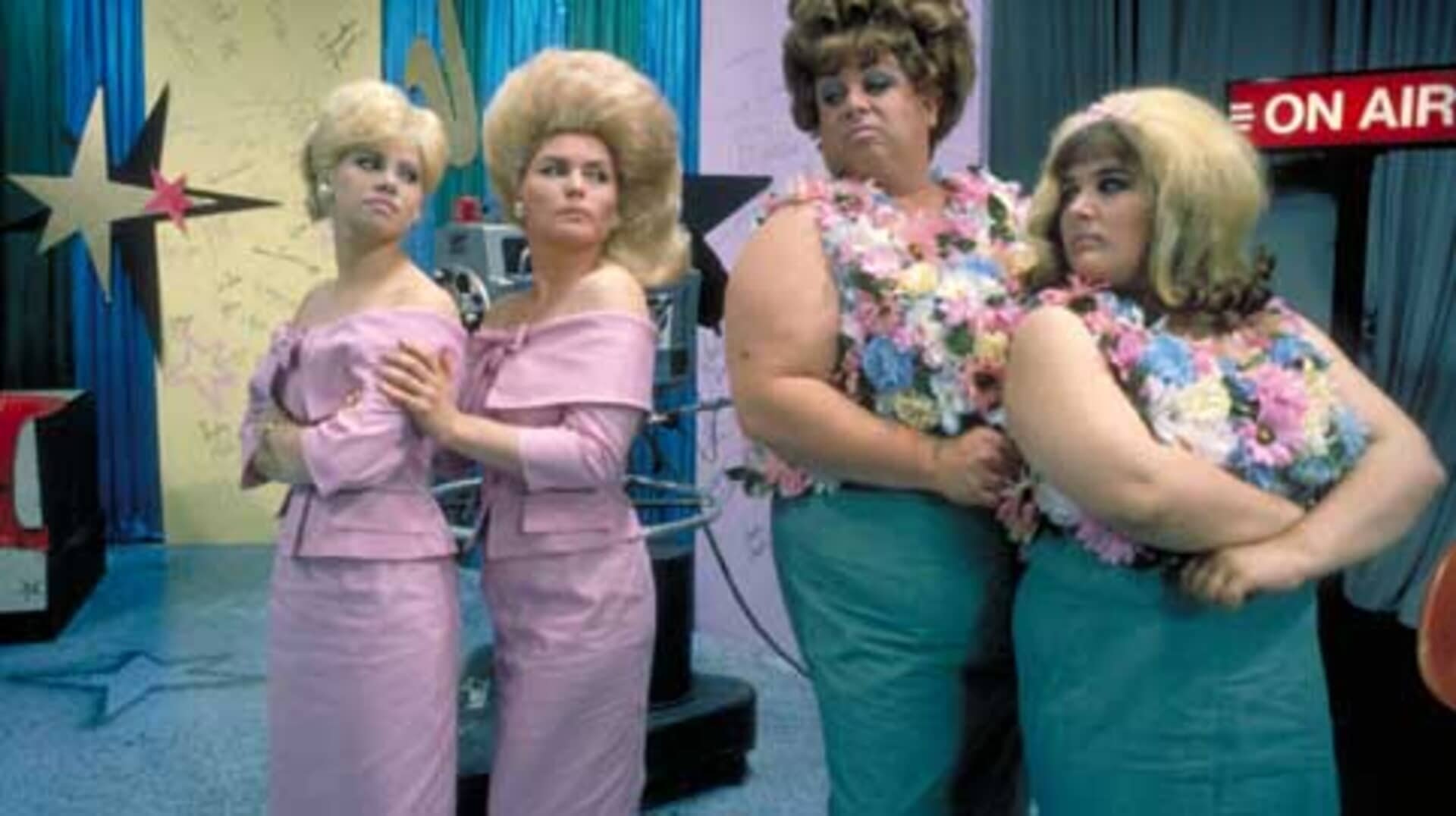
In a Twitter thread recounted by the Gizmodo article, “The 22 rules of storytelling according to Pixar,” storyboard artist Emma Coats wrote that a character should be admired for “trying more than for success.” In Hairspray, Tracy uses her popularity to speak out against injustice for others and not just for herself. She speaks up for her friends who are not allowed to dance and joins a protest against segregation over being on an episode. She is admirable in her convictions and even her hairstyles are a metaphor for Tracy’s journey and the changing times as she goes from popular tall and ratted styles to the more modern sleek styles of the latter part of the tremulant 1960s.

Source: Warner Bros

The outrageous fashion and exaggerated takes on popular hairstyles of the 60s give it the eye-catching appeal that allows you to instantly recall the feel and setting of the film. The story is told with a visual flair and an over-the-top aesthetic characteristic to John Waters’ direction. Though not digital elements, they are an example of how visuals make an impact and help us to remember a story, as discussed by Ashley Fell’s Ted Talk on digital storytelling.

Even though it is, as critic Pauline Kael noted in her New Yorker review, more of a parody of a teen comedy and not as sincere as its musical counterpart, the 1988 Hairspray is still full of heart and endearing in its universal messages of acceptance and social justice. It deserves to be remembered as much as its musical adaptation and enjoyed as an introduction to John Waters’ wild film canon.

Source: Pinterest

Design a site like this with WordPress.com
Get started