This week, while learning about distributed stories and Multiplatform Storytelling I was reminded of the distributed story I have been finding during the last few years.
I first found it in a converted newsrack dispenser: after solving a riddle to unlock the box, I was rewarded with a treasure trove of more stories hidden inside.
Let me explain. It was a geocache.
What’s the basic story?
In short, “Geocaching is a real-world, outdoor treasure hunting game using GPS-enabled devices. Navigate to a specific set of GPS coordinates and then attempt to find the geocache (container) hidden at that location.”1
- But, what does the container look like?
- What do you do when you find it?
There are simple and not-so-simple answers to both of these questions.

Usually, you just find the hidden box (there are ratings for size so you know if you are looking for something large, regular size, or little micros) and then sign the log as proof that you were there. The logbook inside could be considered a type of story spread across time and authors. Many people may have found it before, or you may be the very first finder!
The Logbook is a story
Sometimes the finders will write a message along with their name on the paper or the digital logbook about what the conditions were like on the day they found it, who they were with, why they were in the area, or a hint to help you locate the cache. Some days there may have been multiple finders, or there might have been long periods of time when no one could locate the container or it was hidden under snow. If you find a few geocaches in the same neighbourhood you may even see some names repeated, these people have added to the same story as you, but in a different order, and in a different time.
Then there are Travel Bugs like this little guy with his own travel tale.
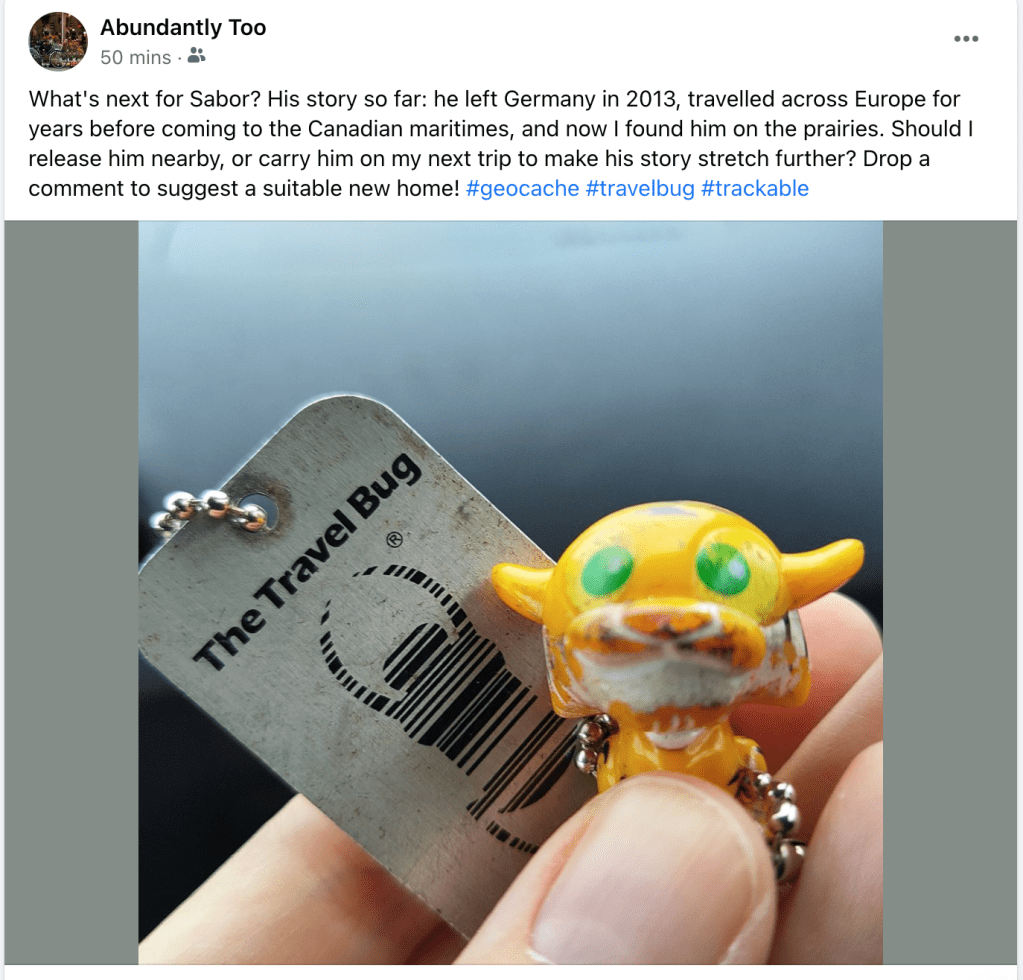
Caches are stories distributed across every country and continent, with logs by thousands and thousands of different ‘authors’, across more than 20 years (ever since May 2000 when the first geocache was placed). And their story doesn’t even stop there.
Stories within Stories (Literally)
The physical caches can be very tricky, even when you are at the correct location you might not spot them. Is it actually a branch or rock, or a camoflauged hiding place? Is it a novel inside that Little Free Library, or is it a locked book safe or magnetic container?
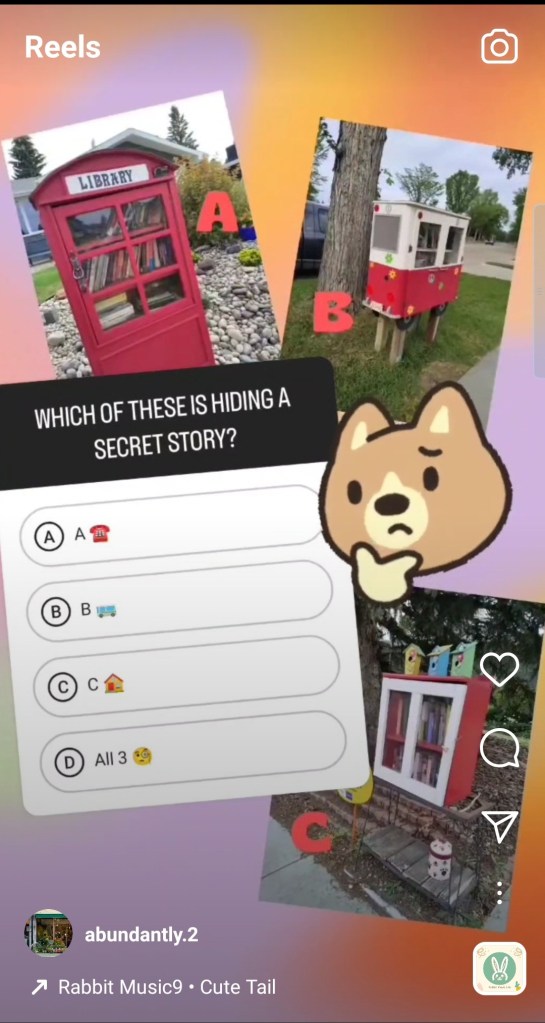
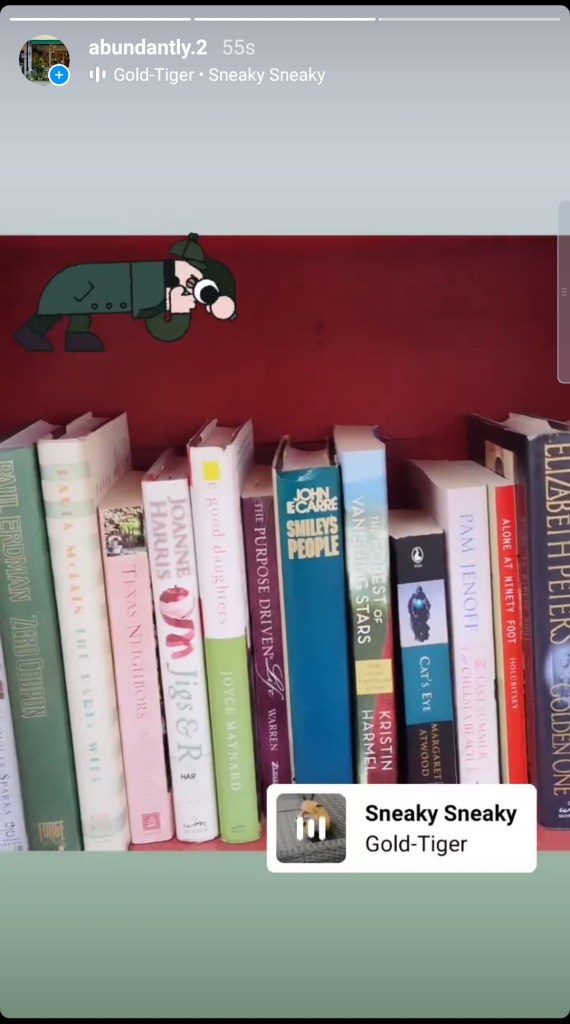
This video about Little Free Libraries in New York shows that you may have a similar story hiding close to you.
Not to be limited to the ‘little free’ type of library, I have also found a cache in an actual municipal library. The clue was the Dewey Decimal number for the book and shelf, of course.
A few years ago I was inspired to read the novel “I Am a Cat” by Natsume Soseki after visiting Japan and finding a cache under this cat statue where the author’s home was originally located.
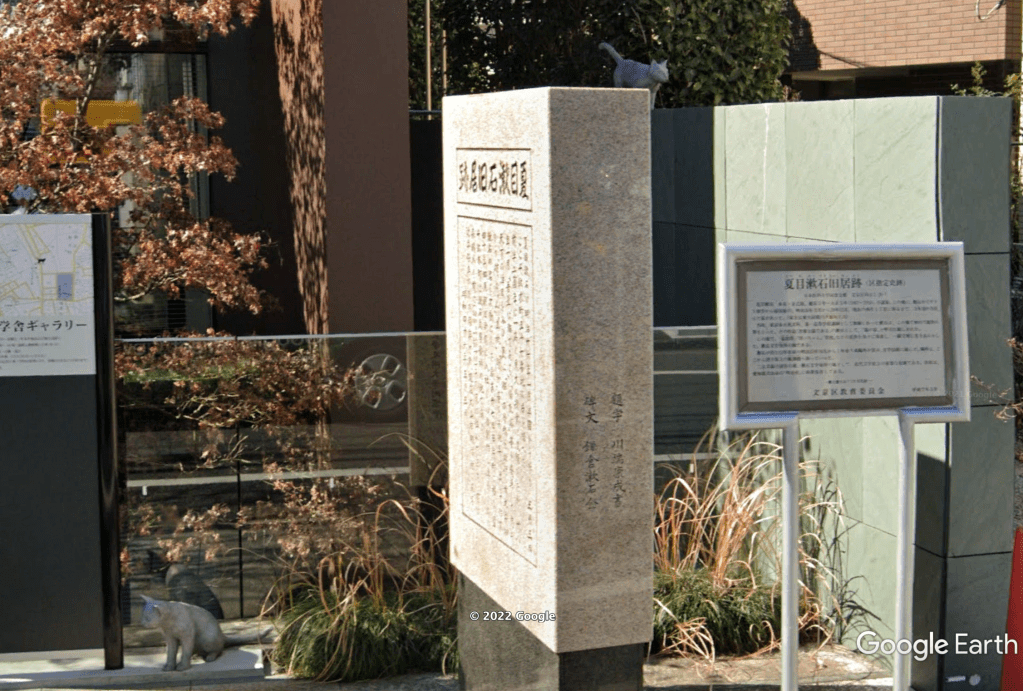
It was another example of distributed storytelling as I was physically in the setting of the book more than 100 years after it was written, signing my name to the log at the monument, then reading the full novel later and reliving the same neighbourhood through the eyes of author Soseki.
There are also ‘Other’ cache types – of which I can only scratch the surface. These include virtual caches, EarthCaches (going physically to a special geological location and answering questions to prove you were there), letterboxes, puzzle/mystery caches, gadget geocaches, events, GPS games, and multi-stage caches (like WherigoTM Caches or Lab caches), and more.
The Puzzle or Mystery caches are very interactive – before you can even get the location you need to solve a puzzle. It might be in code, rely on finding clues in the area, or involve finding hidden code in the web page of the cache itself – then deciphering how that relates to GPS coordinates. Those logbooks tend to be shorter when you’ve found them, but there is definitely a story inside about the people putting in the effort to add their names to the list.
Most recently, the story has been extended beyond the earth and its ocean and into even more rare territory. In 2008, one of the first space tourists hid a geocache in a locker on the International Space Station. In 2021, the Perseverance Rover landed on Mars with a geocaching trackable that could be logged by non-astronauts if they found the code on the images that were sent back to earth.
Can you find it?
- The instructions and list of the 79,889 people (and counting) who have found it so far are here.
- Then, you will have to look through NASA’s raw image files here to find it.
- Look for a ‘selfie’ of the Rover.
- Don’t get distracted by the hundreds of thousands of Mars vista and rock pics!
When you start looking around, will you find some of these stories or caches near you? When you do, will you just read and experience the story, thinking about who was there before, or will you add your name and be led into a new world of storytelling?







 EXSM 3989 - Digital Storytelling Class Blog