Categories
Uncategorized

How destiny led me to a career in Public Health!

And how I became Canadian.
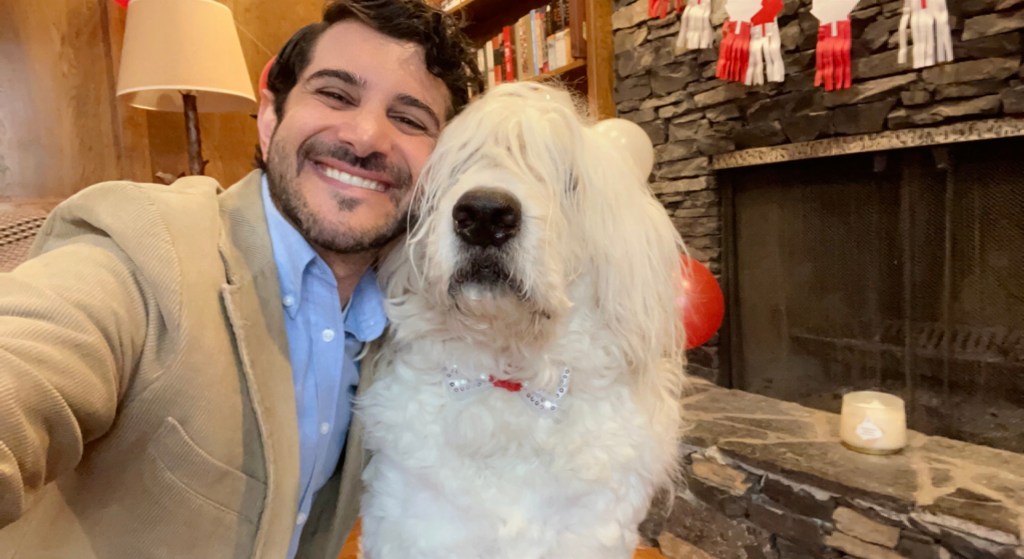
April 21, 2022: the day I became Canadian. Celebrating with me is my pup Oscar.

This story is about a journey. One of how I found my calling and how Canada became my home. Was it a well thought plan? No! Did it happen overnight? If you guessed no, you are right! This is a nine year journey coming to Canada as an international student in 2013, building a career in public health and becoming a citizen nine year later! This is a glimpse of how things unfolded.

When dad predicted the future!

With dad on one of Beirut-Lebanon’s sandy shores, at age 3.

I grew up in Beirut, Lebanon, in a family who believed in diversity, inclusion, and acceptance of others before these concepts were trendy buzzwords. My dad was a graphic designer and mom a bank manager. They taught me to love people and life, and to always think the best of others even when their actions are not up to expectations. But that is not always a successful approach in a country torn by war and conflict, where everyone is in survival mode. When I was 11 years old, my dad witnessed me giving my spot in line for purchasing bread (scarce at that time) for another family and said: “you can’t survive in this country this way! You need to be in another place… maybe Canada!”. At that moment, dad said it as a joke. Little he knew that joke would become reality a few years later.

How I ended up in Canada.

I came to Canada as an international student in 2013, although this was never part of the plan. See, I completed a medical degree between Lebanon and Russia with a set path in pediatric surgery. But what happened in my last year of medical studies would change my plans forever, and with that, my entire life!

I saw a patient with advanced lip cancer, the type you only read about, as usually lip cancer is visible and it’s rare for it to reach advanced stages going unnoticed for years. This is when I first got introduced to the social determinants of health and how some people are not able to seek medical care or treatment because that would mean skipping work, and consequently not being able to put food on the table on that day. This is how I discovered public health!

But that was not the first step in the journey. I will take you with me back in time to high school and how I decided to be a medical doctor!

The Lebanese Red Cross chapter!

When I was a district leader in the Lebnese Red Cross, 2007.

Little I knew that a fundraiser campaign would be the reason I launched a career in healthcare, and ultimately lead me to become Canadian.

May 08 is the International Red Cross Day. In Lebanon, the Lebanese Red Cross would launch its fundraiser to support its volunteer free-of-charge ambulance and first aid services. For that campaign, volunteers would visit schools and talk about the services and students would donate money, each as much as they can afford. Some would donate their lunch allowance for the day, and others would bring money they saved for a movie or another fun activity. The Lebanese Red Cross is crucial for the Lebanese when it comes to health services, especially since it replaced the government services during the war. Seeing these volunteers and how passionate they were about the cause, I was inspired and decided to join the Lebanese Red Cross as a volunteer in its Youth Department which offered social services. After 2 years of volunteering, it became clear to me I wanted a career where I can support people’s health and well-being. At that time, the obvious oath was medicine. Fast forward 6 years later, I realized it was public health that I was passionate about!

MD, check! A master in public health next!

My portrait after earning my MD in 2013!

My plan to disregard my admission to a residency in pediatric surgery was not an easy one. It wasn’t easy to explain to my parents and friends! “So you will be studying again and then not work in a clinic?” Before the pandemic and before Dr. Deena Hinshaw became a household name, trying to explain what would a medical doctor do working in public health was no easy task. Looking for a graduate program in public health (Master in Public Health or MPH) was somewhat easy: I was only looking to study in English or French, as I was not ready to learn a new language before starting my studies. So North America was my best bet. The USA schools all required GRE, and I was too busy to prepare and write one during my last year of medical school. So Canada was a clear winner. But which Public Health School should I choose? Thanks to Wikipedia, the answer was clear: the only accredited school of public health in Canada back in 2012 was the UofA’s School of Public Health! Now I did apply to other schools in Canada and got admission letters to all, but Alberta had a charm! No one can beat its natural beauty. And this is how I decided to come to Edmonton, Alberta. A decision that will change my life forever!
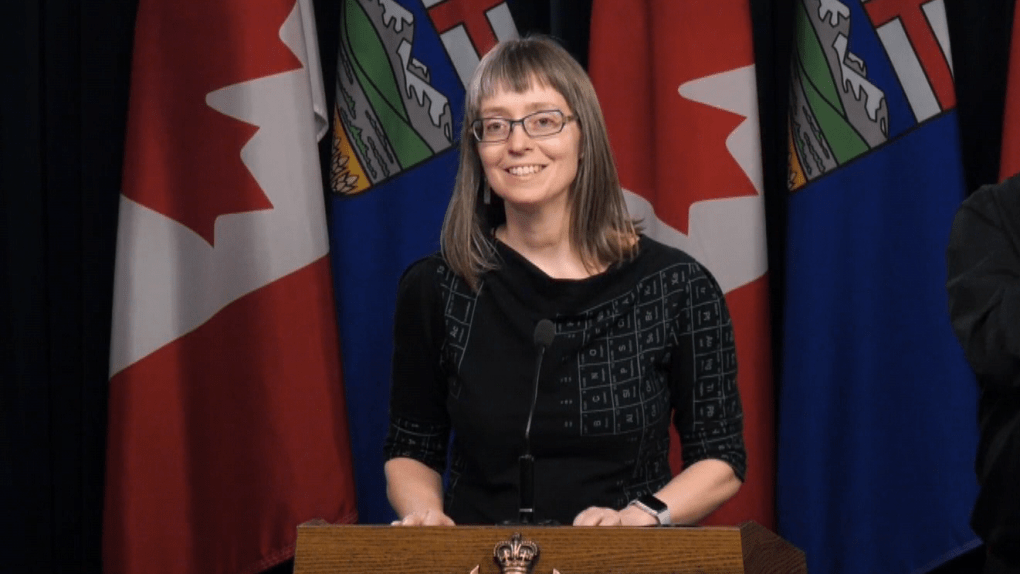
Dr. Hinshaw. She made explaining public health so much easier, and important!

Edmonton: love at first sight!

Coming to Edmonton was no easy task, as my student visa got rejected twice due to logistical misunderstanding! But that’s a story for a different post. Long story short, I was able to get my student visa on the 3rd application. It was granted to me, one month before the start of the school year! So within 2 weeks of getting my passport stamped, I landed in Edmonton! I was mesmerized by how green the city is (later on replaced by how long the winter is). For two weeks I stayed at a B&B and then moved to Newton Place (UofA residence). The UofA was beautiful and I enjoyed every minute of my 1.5 years of Public Health program, graduating in 2013. Now that I have an MD and an MPH, I had to decide my next step: is it going back to Lebanon or working in public health in Canada? You can read about why I chose public health and how I decided to remain in Canada in this Facebook post!

Building a career in Public Health!

Starting a career from scratch is no easy task! But there are ways to help expedite the process and support any newcomer to Canada to launch their careers. It does require dedication, a lot of patience, and lots of networking! And of course, for any newcomer like me, you need a work permit! For some insight on how to build any career in Canada in a concrete way, scroll to the end of this post! It all starts by 

I landed my first job doing epidemiological research in the NT and YT, visiting remote communities, sometimes on ice roads, sometimes by charter planes, and sometimes by boat! I got to experience firsthand how similar our experiences as humans are, irrespective of where we are from! I heard stories from elders in small communities that reminded me of stories told to me by my grandma.
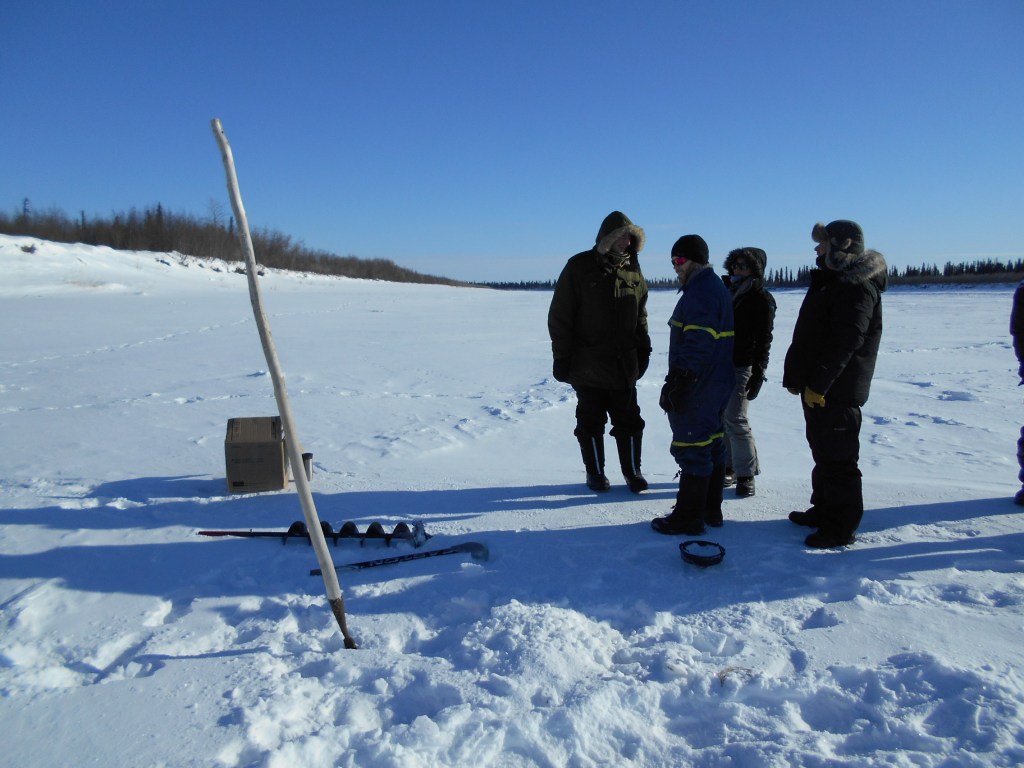
Ice fishing in Aklavik, NT

After three years of traveling to the north, it was time for me to plan my next step. I formed a strong bond with Canada and the people of Canada. I felt like my calling lies here, doing public health work with communities and populations who are underserved. This is when I decided to submit my application to become a permanent resident (PR) of Canada.

Becoming PR was an awesome feeling! I now could apply for permanent jobs! So I decided to move jobs and went into immunization policy and programming (yep that’s vaccines) in 2018! That is one year before vaccines became a worldwide hot topic! 3 years later, I became a Canadian citizen!

Becoming Canadian.

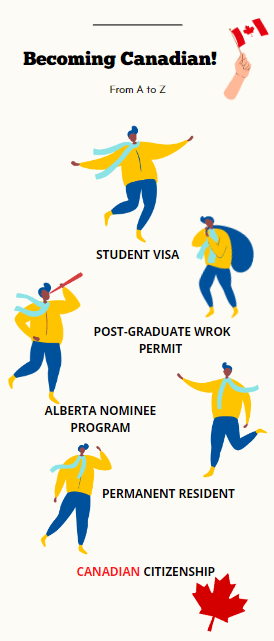
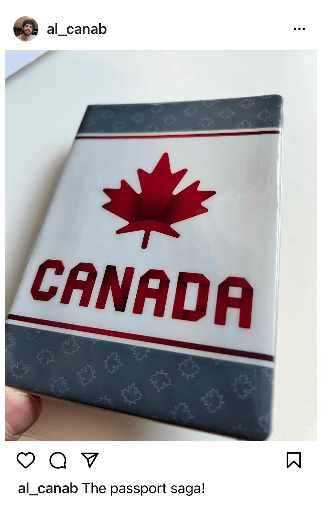
Here’s an infographic about the steps I went through to become a Canadian citizen! Not easy, but it’s worth it. It’s a privilege and an honor! If you are interested in a pinch of drama about the application process I went through, you can read my Twitter thread about it here. You can also check my Instagram story about my journey to get the Canadian passport!
Tips and tricks!

Stay tuned to join my Live on Instagram on August 29 at 5pm MT to talk more about tips and tricks to building any career in Canada as a newcomer. The video will also be uploaded to my YouTube channel and will be available to watch within 48 hours of the live.


Categories
Uncategorized

How to Tell a Great Story

Based on the article by Carolyn O’Hara

Stories are for telling, whether to exchange knowledge or entertain. Each person has a story to tell, be it fiction or based on true events.

Sharing stories has been an art and a way for safeguarding our history (or fiddle with it) for millennia. Stories let express our opinions and emotions about our surrounding, but also unleash our creativity.

In this blog, I summarize the article titled “How to Tell a Great Story” by author Carolyn O’Hara, published in 2014. Although Carolyn focuses on how to tell a compelling story in a business context, I try here to take the learning and generalize them to any storytelling form and context.

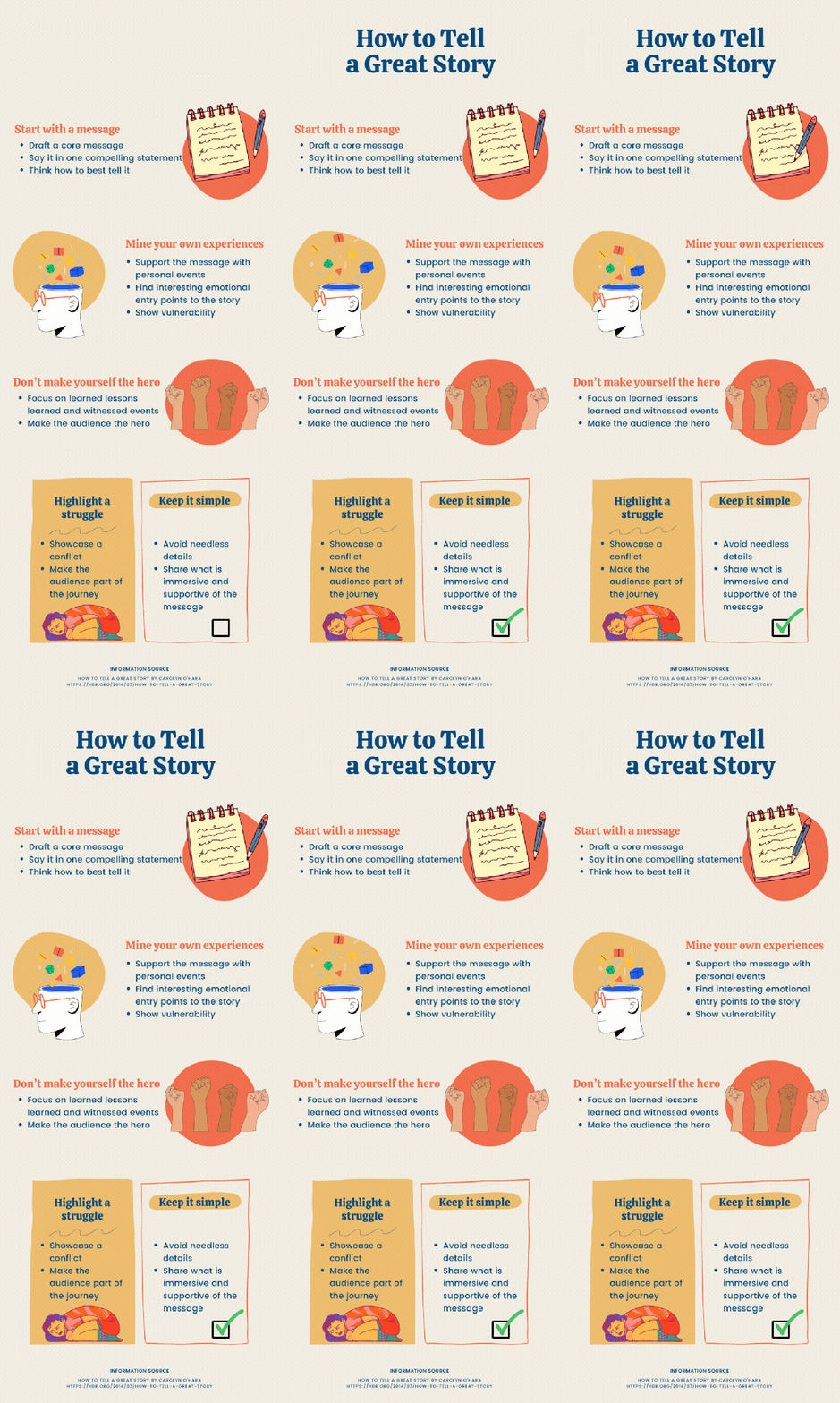
At the end, I add an infographic to summarize these learnings and tips, in case you would like a visual brief summary.

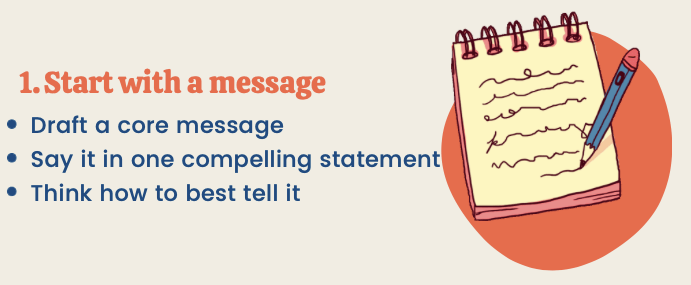
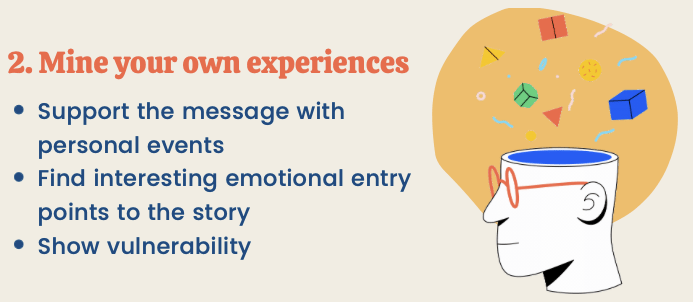
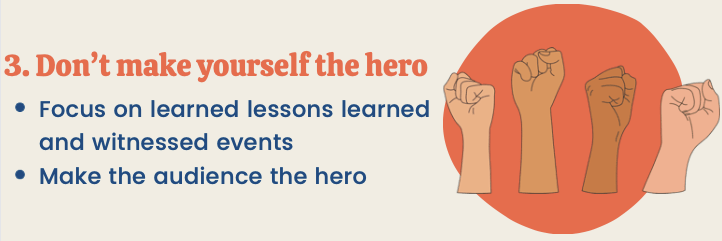
 Stories create long-lasting memories and evoke emotions that are way more powerful than graphs and reports alone! Here’s what Carolyn suggests to tell a successful story, in 5 brief and practical tips.

If not the most important element of any story, it is one of the most important: the moral of the story! What message are we conveying to the audience we are engaging? And how can we ensure the engagement is successful? According to O’Hara, each decision about your story should flow from those questions.

It is crucial for your story to be able to state its core message in one single compelling statement.  “Beyond the 5Ws: what should you ask before starting a story?” is a great read by Alison Macdam exploring the additional questions one should ask when writing a compelling story. An awesome summary of the article is in the image below:

Print this poster out! Here’s a PDF. (Illustrations by Chris Kindred)

Now how to make the story relatable and engaging? The following section got some tips on thay!

According to Plymouth University associate professor, Julie Parsons and Senior Lecturer in Education, Brunel University London, who recently examined our interest in reading about people’s experiences during the pandemic, this behaviour is part of our genetic make up as a species. Our stories are shaped by engaging with others’ stories and experiences. According to the author, this is an active type of exchange allowing us to make sense of the world around us. “We’re always looking to the Other because we’re storied beings – because we make sense of our lives in relation to others,” according to Chappell.

O’Hara suggests asking ourselves: What events in our life make us believe in the idea we are trying to share? These emotional entry points, be it a struggle, failure, and barriers overcome add a layer of authenticity and relatability to the story. “The key is to show your vulnerability”.

But in doing so, another challenge arises: falling into the faux-pas of portraying oneself as the hero! What should the focus be instead? Next section talks about that.

Let’s not confuse being the hero if the story with being the central figure!

The main focus of the story and the engaging component should be “lessons you’ve learned, or events you’ve witnessed.” says O’Hara. Not only that, but to get that extra engaging element, strive to make the audience the hero! According to the author, this would improve engagement and buy-in, thus contributing to the story’s success. And nothing steers interest like a struggle. Why? Keep reading!

Now that we have the compelling message and moral of the story all figured out, supported by a bouquet of lived experiences, are we done? Nope! According to Aerogramme Writers’ Studio’s “Back to the Story Spine” an important element of the story spine is “But, one day”! What does mean? A conflict, a challenge, a routine break! A highlighted struggle will make the story relatable and believable! Who hasn’t struggled before? And it’s always rewarding to be part of the solution process; part of the journey!

What’s the final tip to making your story great? Keep it simple! Drama and twists are always fun, but overdoing it might be a big turn off! I always ask myself I delete this or that detail, would my story be impacted? And would the experience be less engaging or entertaining! I the answer is NO, saying goodbye is then easy! The main purpose to focus on what is immersive and supportive of the message!

A summary infographic of the 5 tips

Categories
Uncategorized

Edmonton… A city ready for all seasons.

From Beirut

I moved to Edmonton in 2013, coming from Beirut, Lebanon. A Mediterranean city with distinct 4 seasons: Chilly autumns, wet windy winters, lovely springs, and humid summers. Like any other ancient city (Beirut has been inhabited for more than 5,000 years) it has tiny roads and is over-populated.

Beirut Downtown… busy tiny roads.

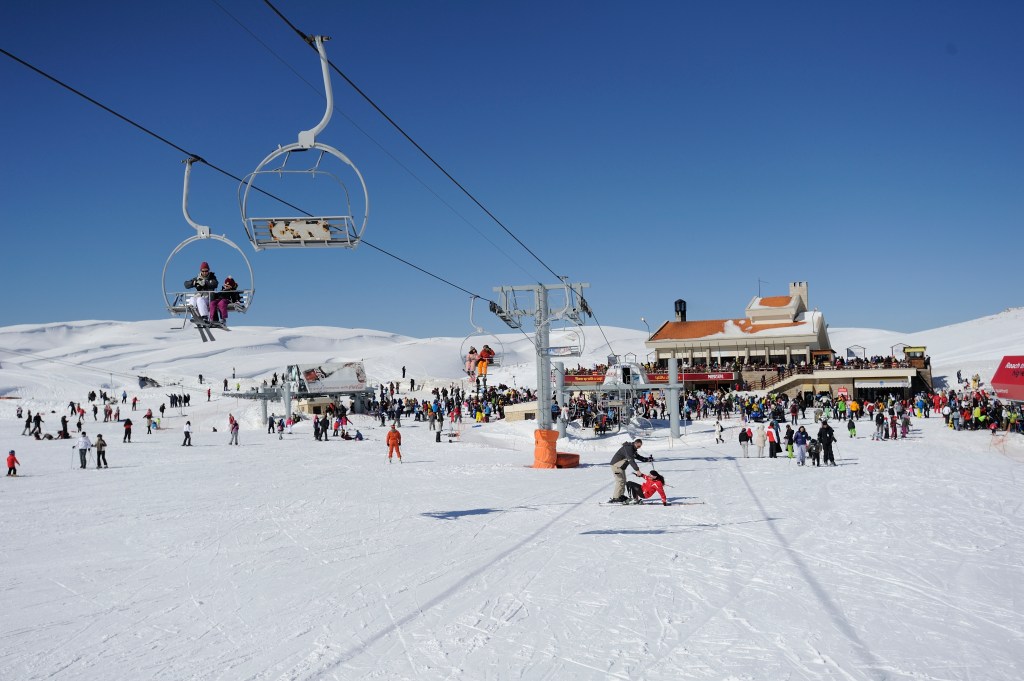
Everything is a walking distance in Beirut. Although in other parts of the country there is snow 6-8 months a year, because it is a coastal city it’s rare to witness snow in Beirut. So equipped with an umbrella, you could walk anywhere within minutes.

A ski resort in Lebanon

To Edmonton

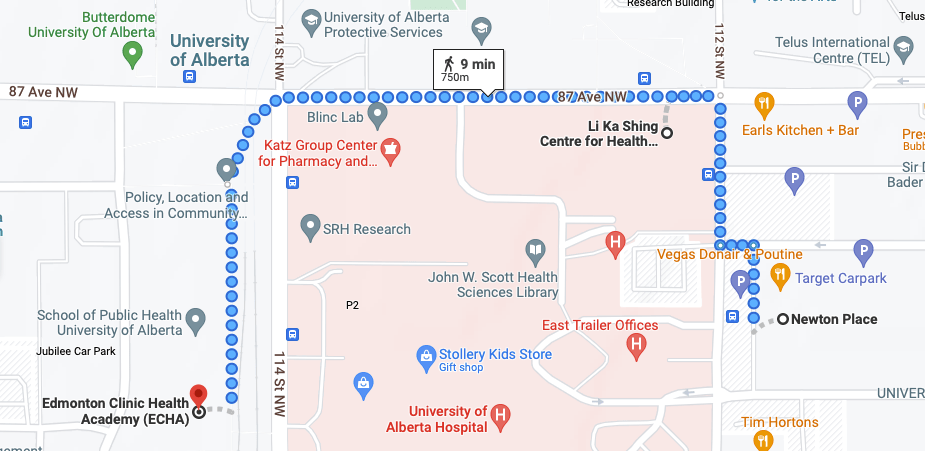
Moving to Edmonton, I had to adapt to a snow winter city. Not only that, but Edmonton is also city spread wide! Walking from point A to point B is not an easy task in -25C, even if it’s only for 15-20 minutes. I was amazed to learn how well connected some buildings are to each other. My first experience was at the U of A, where I was able to cross the street from my residence, Newton Place, just across the U of A hospital on 114 str, go into the Li Ka Shing bldg, then walk indoors for 15 min and reach the Edmonton Health Clinic Academy on 112 street. For a Mediterranean person, walking indoors when it’s freezing is a bliss!

Walking indoors from residence to class while avoiding the -30C… heaven!

Walking, yes! but…

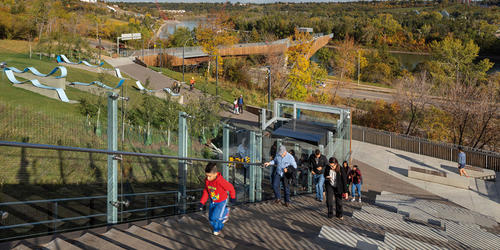
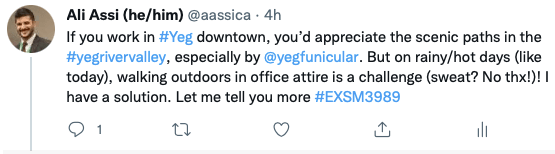
Moving to working in #yeg downtown got me excited! Have been working on campus since graduation. One of the things that I completely like about the city core is how busy, diverse, and lively it is during lunch break! I was always guilty of skipping lunch break before moving to #DTyeg. Now I look forward to my lunch break so I can get out and go on the scenic #yegrivervalley paths. There is the funicular, the river, the stairs… everything packed in a few miles around DT.

Edmonton’s beautiful funicular, stairs, and path in the background

But, given how wet our summers are, I had to skip my lunch walk to avoid getting wet. Even on dry days, if it’s humid, it’s certainly not advisable to walk outside in any office attire. I tired it once – so based on evidence, not even walking slowly helps!

I’ve got a “well-connected” friend…

Realizing I skipped my walk a few times, my friend Derrick asked me if I’d like to join him for a walk.”It’s +28C… no thanks” I said, to which Derrick responded: “so we will walk inside!“. This is how I got introduced to the well-connected system linking Central Station all the way to Rogers Place.

Tunnels but overground!

I was fascinated by the different pedways and how strategically they are positioned to show different parts of downtown! And today, I decided to share this path with everyone who works or lives in DT and prefer the heated/air-conditioned lunch break walks when the outdoors is too much to handle!

Prepping to share my walk step-by-step, I got my phone ready to document the path and take pictures, my water bottle full of water, my earphones ready with soft music, and started the walk. No equipment ready: just your happy mood and comfy shoes. My thread started at Central Station, where my first tweet went live.

https://twitter.com/aassica/status/1551725482315460608?s=20&t=dEsG7VDY5OZl_tHVYmOBwA

I wanted to share my walk in an engaging way, inviting my followers to engage and buying-in into how enjoyable an indoor walk can be! I mean, these blogs also live forever! So bookmarking it and using it as a guide in the winter is not a bad idea 😉

I tried to highlight what else is there to check indoors: the different nice cafes, food court options, and stores:

https://twitter.com/aassica/status/1551728064282841088?s=20&t=dEsG7VDY5OZl_tHVYmOBwA

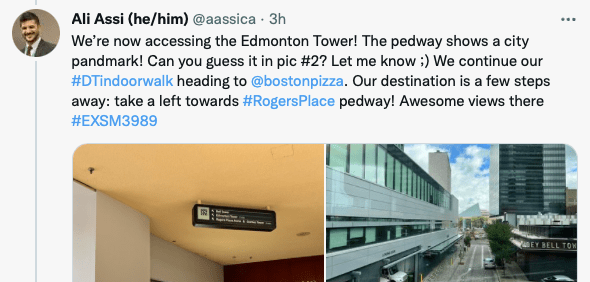
The other interesting aspect is that every medway highlights a different city skyline. I even asked my followers if they are able to identify some of these:

If you guessed “City Hall” you are correct!

Wow! I am an expert! Umm… nope.

Now walking through the different pedways while trying to focus on making it to Rogers Place and taking pictures is no easy task! I did end up by mistake somewhere where I was not supposed to be! But the nice thing about wearing comfortable shoes is to run away when needed. Nah joking. I simply tracked back my steps, and went to the nearest pedway and looked outside to identify the direction of Rogers Place. It’s so easy and cool. What I also like about these different paths is that every time you walk, any slight change or turn can lead you to a different place.

Engaging is key

The most important part of telling a story is to invite your audience on this exciting journey with you. Asking questions, showing pictures, and exchanging knowledge, all are key to better engagement. My walk felt way better knowing that many were join gin me on this trip, and even more through this blog post.

https://twitter.com/aassica/status/1551732897614163968?s=20&t=dEsG7VDY5OZl_tHVYmOBwA

Do you know of any other secret paths, whether outdoors or indoors? I love to explore these. Next time, I will take you on a nice walk by the Mutant, and with enough motivation, I will share a secret spot to enjoy the view from the Muttart (for free!)

Until our next adventure, stay well!

Categories
Uncategorized

The Little Mermaid… my childhood fascination.

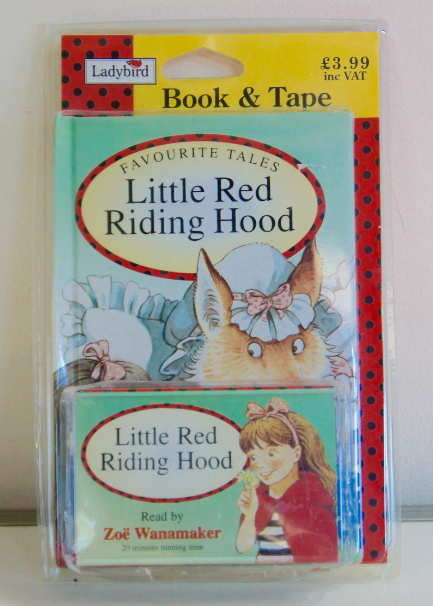
I remember the excitement I always felt when my parents bought us a new Ladybird book with its accompanying cassette. Yes, this is a story from when cassettes were a thing.

My sister and I attended a Francophone school. Born in a Francophone country, Lebanon, we only spoke and learned subjects in French. Although the Lebanese dialect is a spoken derivative of the Arabic language, classical (written) Arabic was only taught at my school as a language.

To enhance our learning, my parents would buy us a Ladybird book in Arabic with its accompanying cassette. That was the original form of an audiobook, which included narration and sound effects to supplement the storytelling. I can still remember the distinct beeping sound that indicated a page turn. We read Little Red Riding Hood, Sleeping Beauty, Cinderella, Hansel and Grettel, etc. But nothing was as magical, impactful, and exciting as The Little Mermaid.

Why was I excited? Because the story took place in the sea… a mysterious world that had a life of its own.

Let me share context to why I was fascinated by the sea. Living in Beirut, a city by the Mediterranean, we passed by the sea every day to and from school and witnessed the sunrise and sunset where the sun would disappear daily into the sea. My relationship with the sea was one of fascination and curiosity. Where does the sun go at night? What creatures live there? What do they eat? How do they sleep? Do they go to school? Do they sing? Do they live in tiny houses? These were a few of the many questions I asked myself staring at the sea.

Imagine this: I’m 7 years old and I get this new book. I held the book and I studied its cover: it’s about the sea… about a mermaid… fish… and a ship… Imagine how hard it was for me to sit still at the dinner table, with the book and cassette laying on the kitchen counter facing me. That day, we were having meat stew with peas and carrots. I don’t think I ever ate my dinner with no fuss the way I did that evening. I even finished all my vegetables and rushed to clean my dish. I was determined to avoid any distraction or unnecessary conversation that would delay me from grabbing the book, inserting the cassette into my dad’s Sanyo cassette player, and indulging in this magical story.

I believe the love story and sacrifice aspect was too complex for me to understand, but the story answered many of the questions I had: there were creatures who lived deep in the sea; they had a family; they sang; they danced; they had dreams, hopes, and wishes. I identified with the main character, the Little Mermaid, who was curious, adventurous, fun, and kind.

You know the story! It begins by setting the stage for what was going on in that magical world: the mermaids, their life, their family, etc. But the Little Mermaid wanted more. Forbidden from going to the sea surface, that was exactly what she wanted. On her 16th birthday, she goes up to the surface and witnesses the sinking of a ship carrying the prince. She saves him but while doing so she falls in love with him. She was so much in love that she was willing to leave her family in pursuit of her dream. Unfortunately (spoiler alert, this is not the Disney version), the Little Mermaid decides to sacrifice her life for love and ends up turning into sea foam.

Devastating ending? Yes! But the story is so capturing and impactful, that every time I look at the sea and see it foaming, I think of that story. The writers followed the Story Spine in such a masterful way. Once upon a time, there was a little mermaid. Every day she lived her life the way it was dictated by her family. But one day, she decided she was not willing to follow rules that limited her hopes and capped her dreams. Because of that, she went to the sea surface and found the love of her life. Because of that, she decided to undergo a traumatic life-changing metamorphosis. Until finally, and for love, she decided to sacrifice herself and turn into sea foam letting the love of her life live happily. And ever since, the Little Mermaid lives as sea foam. Yep! For love you do anything. It can’t get more magical than that!

I found the Ladybird’s Little Mermaid narration in English… now I am listening to it and feeling nostalgic.

Design a site like this with WordPress.com
Get started