This project is a remix of some of the concepts and content work done throughout the course to demonstrate examples of what I’ve learned about digital storytelling for this assignment.
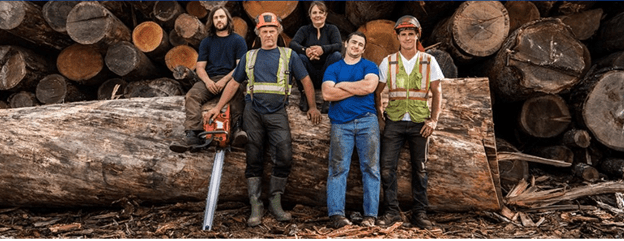
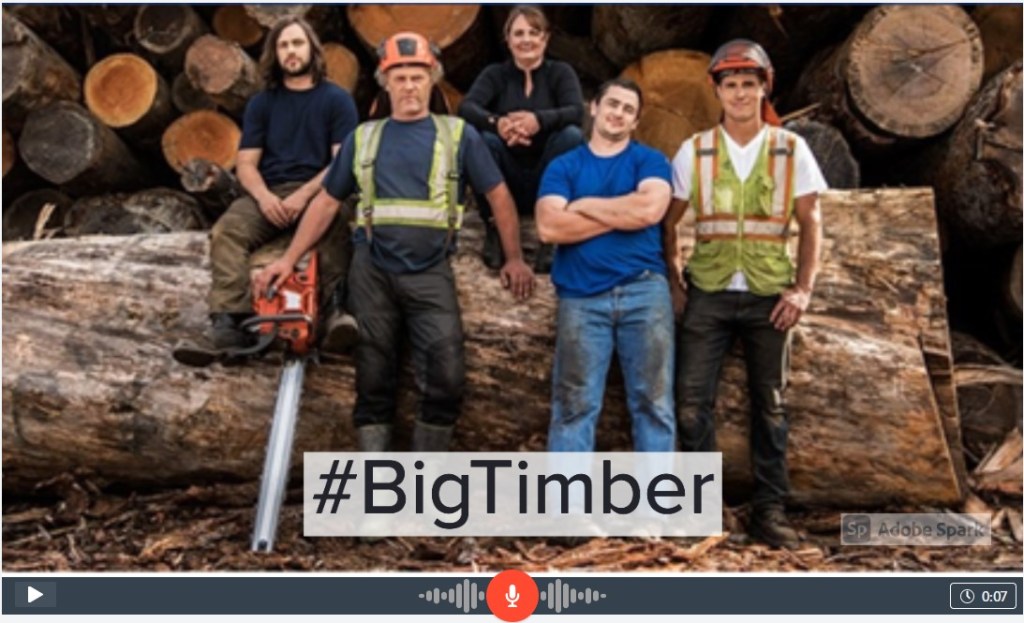
In this long-form blog we look at how different mediums including text, photos, graphics, and video can be used to enhance the story of “Big Timber” and the Wenstob family that owns Wenstob Timber Resources.
Storytelling has evolved to a complex artform with our increased abilities to express ourselves on digital media platforms such as blogs, social media, and video. Each platform’s messaging and content must be carefully constructed for that platform’s requirements to enhance and shape the storytelling experience for its unique audience.
Although medium is foundational to experiencing the message, many universal principles comprise good storytelling.
How to Make a Story
Every engaging story has a beginning, middle, and end during which protagonist(s) and antagonist(s) engage in conflict and then work out a resolution. But there’s much more. We must relate to the characters’ journeys. Good stories tug at our emotions as we recall life feelings and experiences universal to humans on this earth regardless of where we live. We care about the protagonist and want him/her to win.
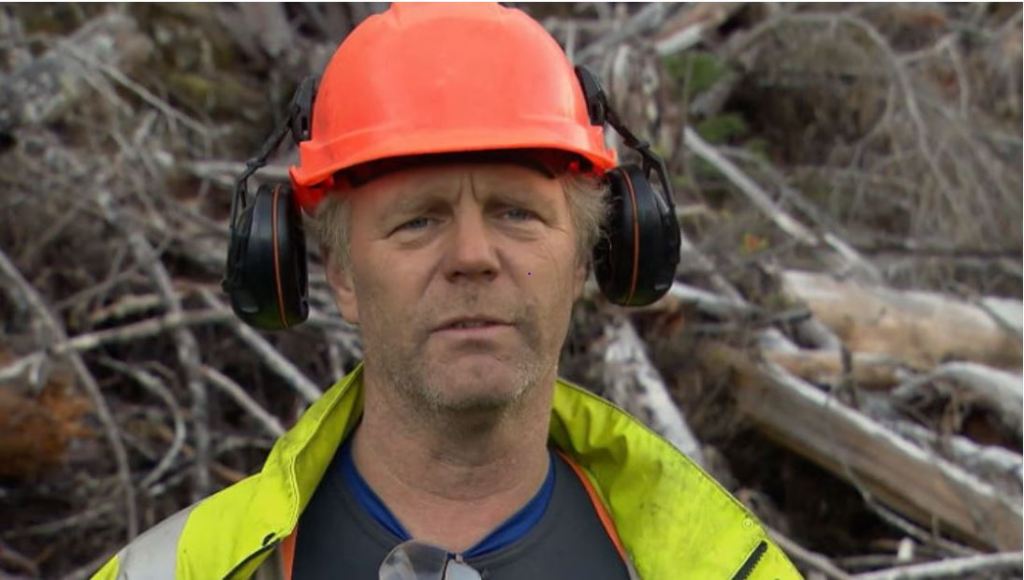
An example of great storytelling is the story of the Wenstob family from Wenstob Timber Resources. Ken Wenstob, logger, and sawmill owner is a larger than life opinionated force to be reckoned with. This story depicts the universal theme of the heroic individual, which is Ken the protagonist, leading his team through everyday life experiences that compound to become immense obstacles, the antagonists, that they continually overcome. The audience identifies with these real-world aversities as pain or learnings in their own lives and is therefore drawn in emotionally as Ken’s team pushes all human and equipment limitations to exhaustion to meet their time sensitive goals and arrive at a new place.
Use a Story Spine
Online video channels like Netflix support visual storytelling. In the “Big Timber” series, each 45-minute episode is delivered through clearly defined five phase story plans where Ken and his team undergo a journey to solve a problem and ultimately end up at a new normal or stasis. This formula of structure also known as a story spine is the timeless “secret sauce” proven to be a corner piece of a what makes many stories exceptional. The five phases unfold as Beginning, The Event, Middle, The Climax, and End.
The story spine for each 45-minute episode of “Big Timber” runs something like this:
- Once upon a time there was a heroic entrepreneur named Ken Wenstob who operated one of the last privately-owned sawmills on Vancouver Island
- Every day, his team brings logs from their timber claim on the mountain to keep the sawmill running and turning logs into lumber
- But one day, he is locked out of his timber claim because the road at the bottom of the mountain is closed
- Because of that, he has to find another source of logs
- Because of that, he has to get his old barge and boat yarding logs on the inlet shoreline
- Because of that, he fixes his equipment and builds a dock
- Until finally, Ken goes all out with new team members and fixed old equipment
- And ever since then, Ken has another ongoing source of logs to supply the sawmill
How does that story spine work in visual and digital storytelling?
New Media Storytelling
We can present the same story spine text as an Infographic. This visual representation makes the information easier to retain and apply. In this case, all the words are there, but it is much easier for our brains to understand the visual layout to quickly grasp the content than it is with the text format above.
Read the infographic story spine below to see if you agree.

We can also reconstruct the above story spine word content into a story thread for a Twitter audience that likes short text. We tell the story with snippets by condensing a 45-minute episode into a few linked short text posts with some branded images, based on the 5 phases of the story spine.
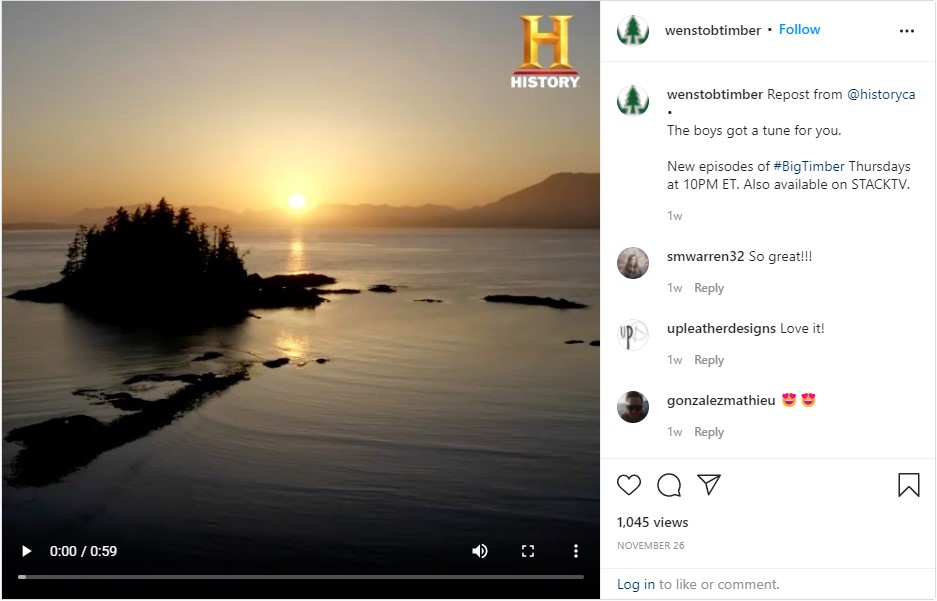
Or, we can give different insights into the story using an image-based platform like Instagram which allows the business (brand) to interact more intimately, personally, or one-on-one with its fans. We see and hear the Wenstob family storytelling, chatting, relaxing, playing a guitar at night around a campfire near the water in this IG post.
Storytelling with Video
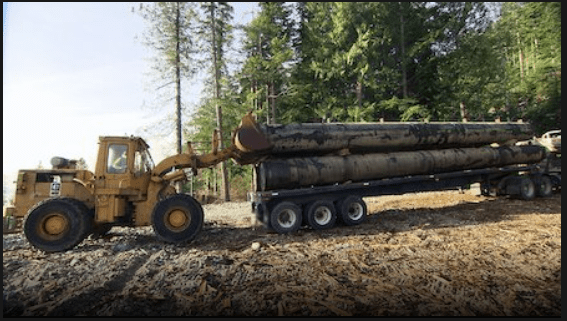
The “Big Timber” story breathes strong storytelling principles, is inherently visual, and is highly suited for a visual digital medium. In addition to enjoying the interactions of the Wenstob team, the audience is continuously drawn in by the spectacular landscape colors, pictures, and movements of the immense equipment in the forests. The visuals of logging equipment and the operations team cutting the giant trees on the mountains are breath-taking. In reference to Marshall McLuhan, Canadian philosopher, the medium does become the message in this case.
What About Season 2?
At the end of Season 1, the team achieves 220 loads of logs or 10% more than the required goal for the winter. There is a team celebration lunch on the mountainside. Although it was a very challenging year, Ken announces he has purchased another claim for the next year.
At the end of Season 1, there is also data that tells a story about the journey’s of those people who watched the season on Netflix and who engaged with the various social properties. From that data, the producers can extract stories and then make decisions regarding whether or not Season 2 should be produced, and to drive the right visuals and narrative.

In Conclusion
Storytelling across platforms is the new normal. It allows us to create stories that engage audiences using various technologies that permeate their daily lives. The media deliver unique content creations that are linked together to enhance and complement the story narrative. Ideally, the content pieces are in synchronization together.
#Storytelling, #EXSM3989, #WenstobResources, #BigTimber
 EXSM 3989 - Digital Storytelling Class Blog