My (first!) Twitter story tells of my recent hair journey of shaving my head to support a friend with cancer, and the reflections I’ve had on our society’s obsession with hair. It’s not entirely live, but by telling it from the start, when I was nervous and unsure about shaving it, I was able to add some suspense to the theme of norms or expectations around hair. I was already thinking about culture and identity, but I decided on that angle according to the finding by Tysnki (2019) that Buzzfeed’s most popular topic according to shares was identity, as well as the top theme within emotion-based categories. While those results are largely pertaining to Facebook, this story was told using Twitter best practices, making it more likely to perform well on that platform. Without further adieu, read about the beginning, middle and end of the process of shaving my long hair:
Using a Friendly Tone to Tell a Deep Story
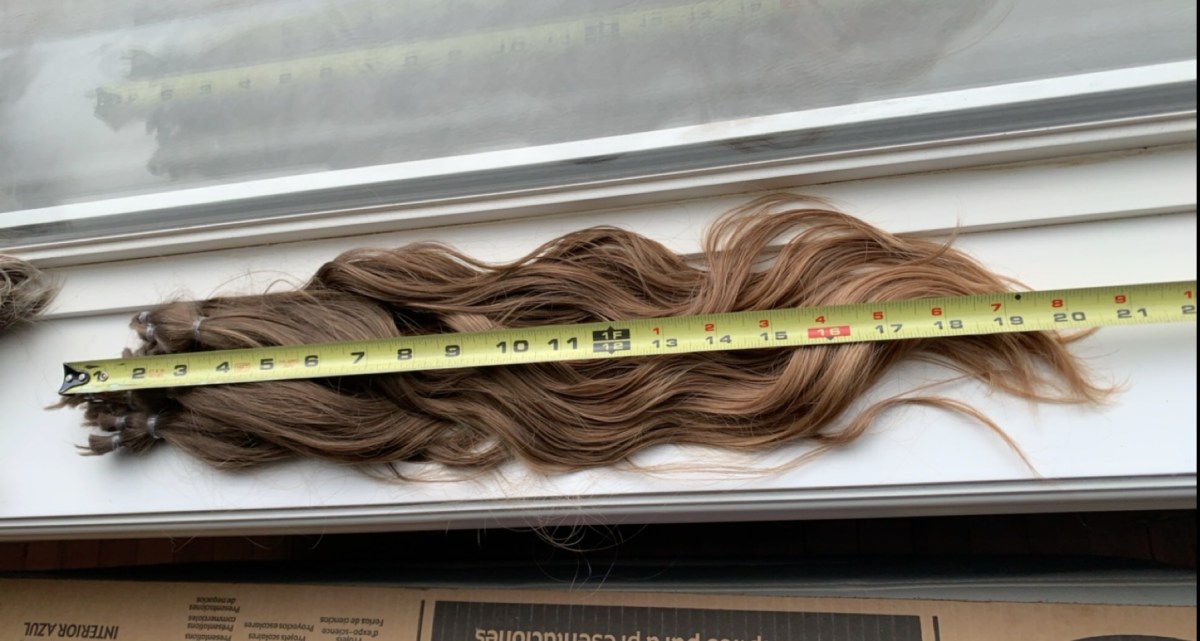
Goldschein (2019) recommended stories be written the way a person talks, which is what informed the tone of my story. While I could have used terms from sociology to discuss identity or culture, I told the story how I would naturally, making it more relatable and interesting. See for example my excessive use of capitals, showing emphasis as I would when speaking. I also took this author’s advice to use visuals, especially because my story lead well to visual interest with the shaved hair photos. While I write that I donated 20″ of hair, it works just as well to show the length of hair and drive the point home! Unfortunately in terms of graphics, the last GIF, which I found in Twitter’s library, was blurry when I saw it on the browser, which is a mistake I can learn from when selecting images.
Pointing to Emotion in a Relatable Story
In thinking about my potential audience, North Americans, I knew the topic of hair is one they’d be familiar with, making the story relatable as was suggested in the Module 3 video (Brown, 2021). To up the stakes and bring the story to life to readers, I used emotion–another recommended tool–to improve this story. I used the “fear in the middle of the night” example to vividly show my anxiety, or the anecdote of my grandmother’s angry response to make readers laugh and also remember a time they disappointed an elder. I don’t think this story needed emotion if it were to be an identity piece, but I think it helps keep readers engaged and will make them more invested to actually pause and consider what societal norms hold them back from, as is my final call to action.
Conclusion
Telling a story in ten parts was initially overwhelming, but breaking down a story into pieces was an interesting exercise. Like the suggestion by Educational Tutorials (2016) to have an 8-point story arc, ascribing parts of the story to points on a ten-part map helped keep the theme clear and the prose concise. For example, as Instructor Brown suggested to “write first, edit heavily,” I first drafted a story in a traditional format and then condensed and cut into the ten-tweet format. I was worried about using this snippet format, but it went better than I expected! I can already see how I’d improve for next time.
Thanks to anyone who read my story. I hope it inspired you to reflect on your own identity and judgements or stereotypes, and perhaps even has you considering doing something that you’ve always wanted to try, but are held back by fear of repercussion or standing out. Good luck!
– Shelby M

 EXSM 3989 - Digital Storytelling Class Blog