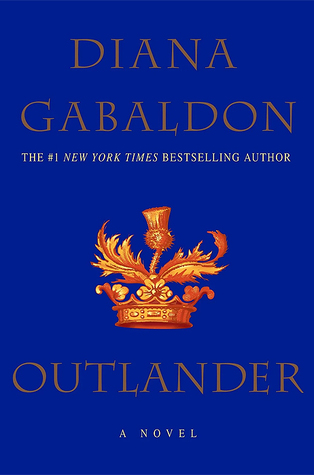
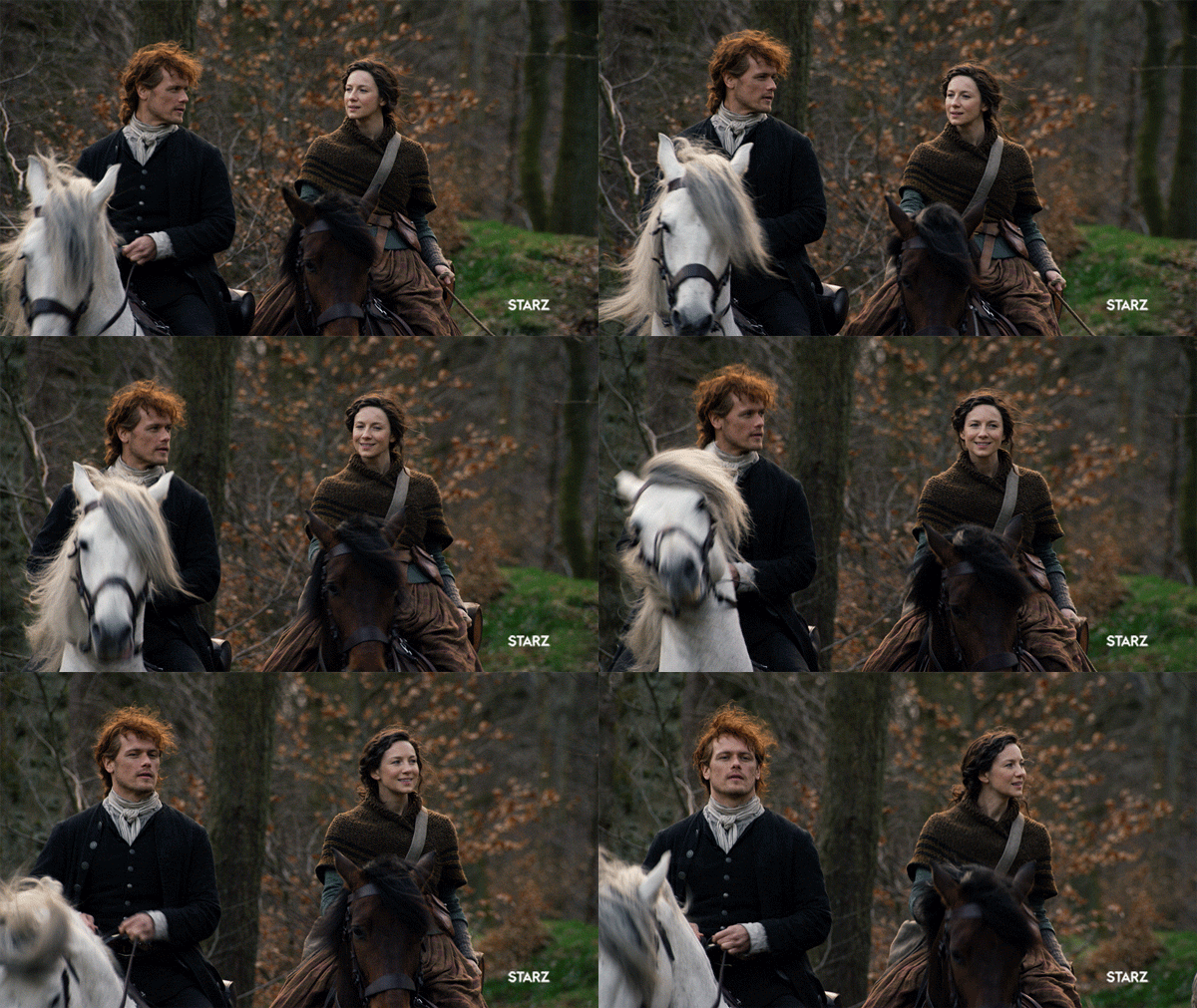
These days, when a person thinks Outlander, they likely think of the series that you don’t want to watch with your family around (available on Netflix). But have you heard of the moving novels that started it all? I am one of the patient bookworms that stuck through the eight long books–and I eagerly look forward to the ninth! When there are so many excellent historical fictions to read, why follow the tale of Claire Beauchamp Randall and her family time and time again? The author of the series, Diana Gabaldon, creates such an inviting, sensory world with characters you love, and hate, making a memorable experience that has always stuck with me.
What’s all the fuss about?
Oh, you haven’t heard of the books, or happened upon the show when looking for something to watch? Using the Story Spine, a method of outlining a story created by Kenn Adams, we can briefly cover the main concept behind this legacy of stories:
- Once upon a time, a modern-day nurse gets married and goes on a honeymoon in Scotland.
- Every day, they’re a happy newlywed couple enjoying the sights and engaging in historic activities, as she married a historian.
- But one day, she is transported back in time, by herself and without supplies, and has to survive and hopefully find a way back to present time.
- Because of that, she aligns herself with a clan in the area, even marrying Jamie (or in her case, remarrying), for protection.
- Because of that, she becomes invested in the politics and health of the community, using her future knowledge for good.
- Until finally, her and Jamie overcome many obstacles, face wars, and learn to better manage time travel.
- And ever since then, Claire and Jamie have balanced the needs of the times and the future to come while regarding their families.
This very abridged spine could serve as the start of a long, multi-direction flow chart, as the implications complicate the story and add opportunities. The world that is created in the series feels so real, especially with the use of imagery and emotion, so while reading, it feels like you’re being transported there.
Why does it work?
In a 2017 Tedx Talk, Ashley Fell instructs that good stories should do the following four things: interest, instruct, involve and inspire. In the Outlander series, author Gabaldon expertly does all four:
- Interest: The time period, setting and characters in the Outlander stories are captivating, and with the stakes constantly being raised, it’s interesting to follow along and read how the story develops.
- Instruct: How should one behave in the past with modern knowledge? It’s not information we need to know (right?), but a fascinating question all the same.
- Involve: The reader feels involved in the characters’ quandaries, being pulled in different directions just as much as the characters themselves are.
- Inspire: The love story(ies) and even character growth inspires readers to dream of more, to aspire for the same fire in life and to hope for happy endings and redemption.
After introducing the Netflix show at the start of this post, you might imagine my conclusion will address the film adaptation. Prepare to be disappointed–as I was after just one episode! TV cannot simulate the experience of reading this tale, as no actor or actress matches the ones in my mind. Storytelling this good doesn’t need a TV adaptation, although I’m glad it makes the stories available to those that can’t read the thousands of pages to enjoy its traditional format. If you’re looking for a summer read, or a journey from the comfort of your home, I recommend embarking upon the Outlander series.
By Shelby M.
 EXSM 3989 - Digital Storytelling Class Blog