I have two nieces under 2 years of age right now who LOVE reading. Which means I spend some of my time with them reading cardboard books. I must admit though, I don’t mind the change of pace from the legal text I read during the day at work.
My sisters and I grew up reading The Berenstain Bears and stories by Robert Munsch. And I figured my nieces would do the same. When books by seemingly random authors appeared in the bookshelf, I was hesitant. I felt like I was betraying my childhood favourites. But instead, my world grew bigger.
I remember the day I picked up The Pout-Pout Fish by Deborah Diesen and illustrated by Dan Hanna. I casually started to read it, wondering what simplistic message it would share. But there is nothing casual about this story. In fact, I think it’s just as appropriate for adults as it is for kids!
In the Beginning
Before I go on, spoiler alert! If you want to discover the story for yourself first, enjoy Auntie Lee’s reading.
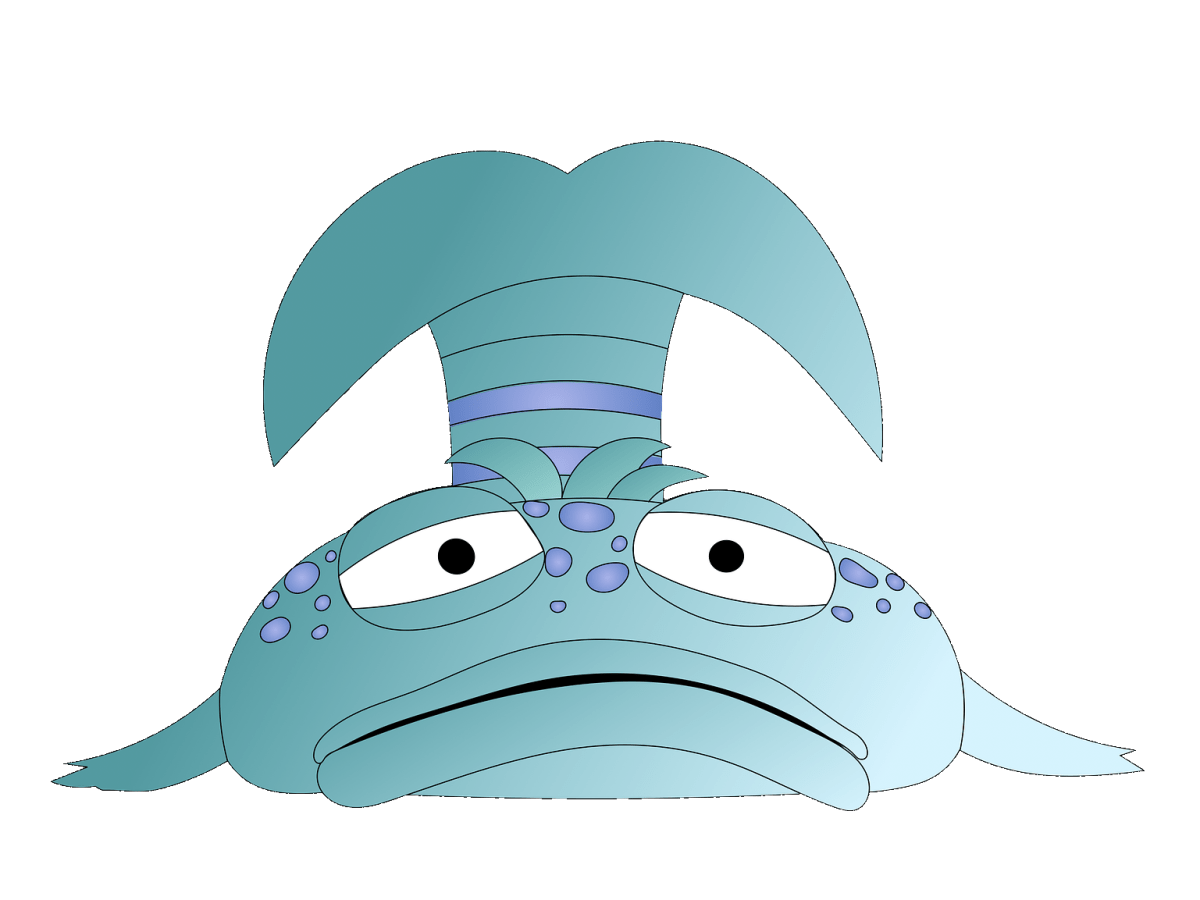
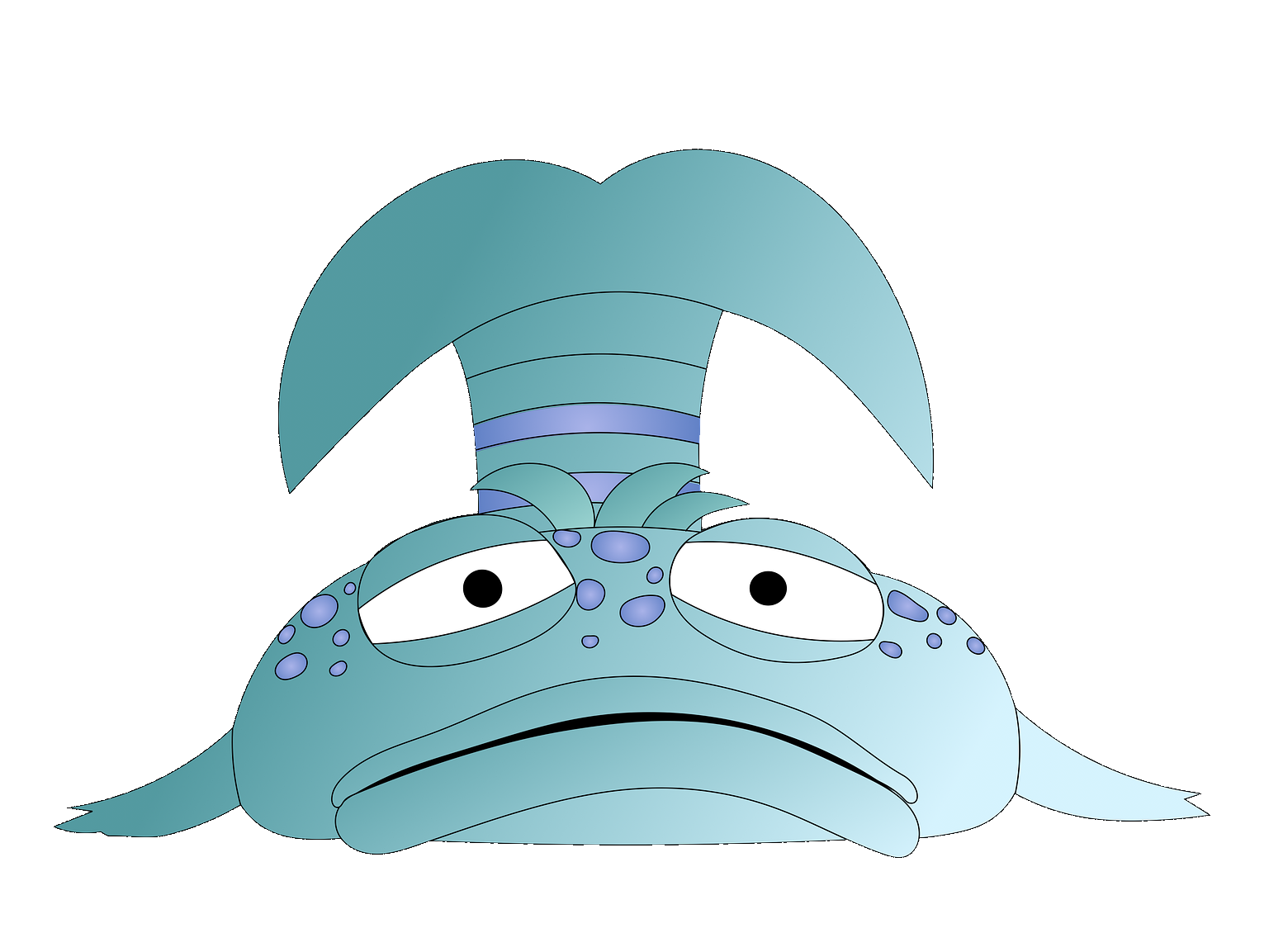
Okay, let’s get to the story now … In the beginning, we meet Mr. Fish, a “glum gloomy swimmer with an ever-present pout.” To (hopefully) avoid copyright issues, here is a look-alike image of Mr. Fish from a user on Pixabay:
Over the next several pages, we see Mr. Fish’s interactions with other creatures in the sea. They each comment on how he should cheer up and how his sulking is unattractive. Each time, Mr. Fish responds that it’s just the way he is:
I’m a pout-pout fish
With a pout-pout face,
So I spread the dreary-wearies
All over the place.
Until one day … a shimmery fish comes along that no one has seen before. And instead of speaking to Mr. Fish, she kisses him! Mr. Fish is “most astounded”. He thinks about it and then decides:
I’m a kiss-kiss fish
With a kiss-kiss face
For spreading cheery-cheeries
All over the place!
And just like that, Mr. Fish’s whole perspective changes. Now, he’s smooching everyone instead of frowning!
Now why is this one of my favourite stories?
First, I love the rhythm of the story – a literary tool many children’s writers use. And I love the alliteration as well as the colourful images. Having read through the course materials, I now better understand these elements as essential to storytelling.
Ashley Fell identifies colour, picture and movement as three components of a great story. I see each of these at play in the story, especially movement – the movement of Mr. Fish through the sea as he engages with each sea creature, but also the movement in the words themselves.
But most importantly, I love the way the story makes me feel. I can relate to Mr. Fish. And relatable characters is one of the most important elements of a great story.
#21: You gotta identify with your situation/characters, can’t just write ‘cool’. What would make YOU act that way?
Emma Coats’ “nuggets of narrative wisdom”
There are times when I am a pout-pout fish. I move through my day with a scowl on my face. Others may try to cheer me up, but I just say, “I’m having a bad day” or “I woke up on the wrong side of the bed this morning.” I justify my behaviour.
Until something comes along that changes my perspective. Now, it’s usually not a shimmery fish kissing me! But whatever “it” is, the external force challenges me to look inside. Do I have to be like this? Can I change? The answer is always yes. I can choose a different behaviour.
Now I realize this is a children’s story. Its purpose is to teach children about their emotions. But how awesome is it that the same story resonates with an adult? (Or is it a bit sad this is the case?!)
In any case, I think The Pout-Pout Fish is a great story. So much so that I cannot wait to read the other books in this series and go on more adventures with Mr. Fish.
Wait … isn’t coming back for more another sign of a great story?
 EXSM 3989 - Digital Storytelling Class Blog